The exotic pet aftercare blog: honest answers to specific questions
Each article answers one question an exotic keeper actually asks, in the first few lines, then goes into the detail. Cost is one of those questions, since most small exotics pay a crematory's minimum charge, but so are grief, logistics and what remains for a pet that weighs a few grams.
- The answer first, then the detail
- Species-specific, from gliders to wallabies
- Sources linked, estimates labelled

Start here
What do exotic keepers most often ask about aftercare?
Three questions come up again and again. Will anything come back? For a hedgehog, a tablespoon or so; for a tarantula, usually nothing. Will anyone take my pet? Yes, but the first provider you call may hesitate. What will it cost? Usually about the same as a small dog, because tiny pets pay a minimum charge. The articles below take each of those questions, and many more, one at a time.
Every article opens with the short answer, so you can stop reading once you have what you need. If you're looking for a longer, step-by-step reference, our guides cover planning, paperwork and memorials in more depth.
Which unusual companion are you planning for, or saying goodbye to?
Tap an answer to vote and see how others answered. Anonymous.
Latest articles
Practical, honest articles on costs, choices and remembering.
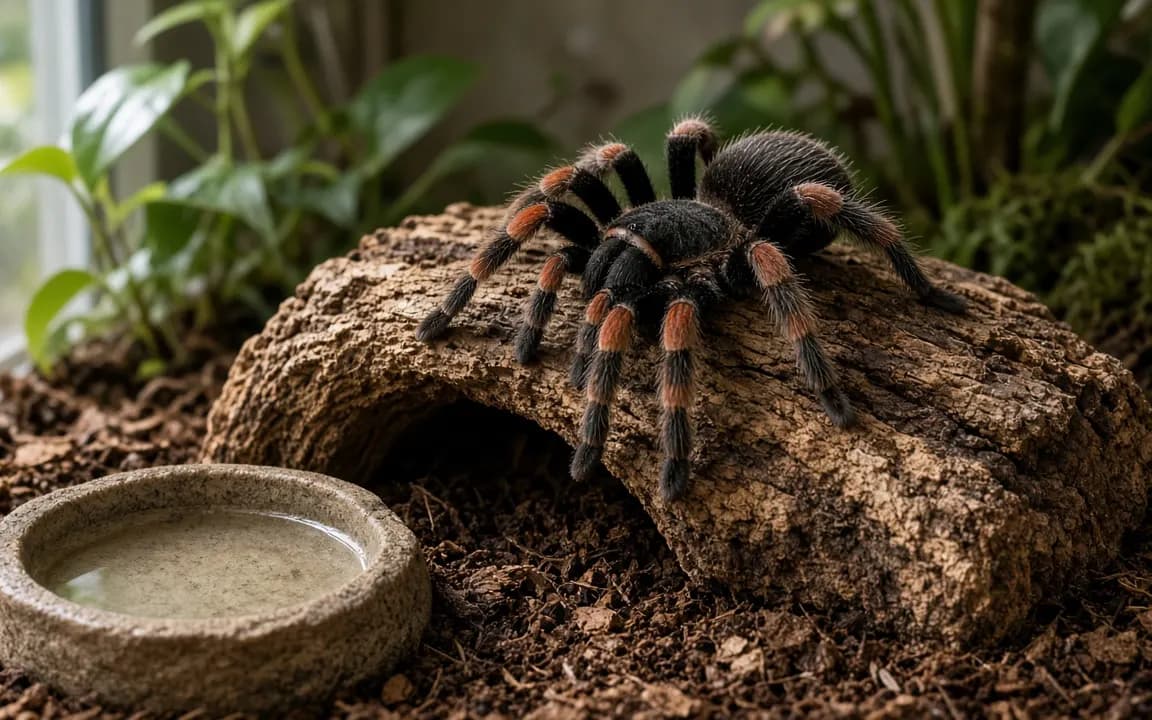
Can you cremate a tarantula? Yes, but here's what to expect
Yes, but a tarantula's chitin exoskeleton burns away, so usually nothing returns. Resin, pinning, the last molt, planter burial and what to ask a provider.

Exotic pet cremation costs: how to read and compare written quotes
Why a 100 g glider can cost as much as a small dog to cremate, which line items hide in a quote, and how to compare prices for hedgehogs, axolotls or wallabies.

How to find a crematory that will take your exotic pet
Where to look when a crematory won't take your glider, axolotl or wallaby: exotic vets, vet schools, zoo and equine crematories, and how far to travel.

Grief after losing an exotic pet, and why it can feel so lonely
Losing a hedgehog, glider, axolotl or tarantula can hurt as much as any pet. Why it feels lonely, what to do with the empty tank, and where to find support.

Hedgehog cremation or burial? Every option, side by side
Cremating, burying or preserving a pet hedgehog: what comes back, costs, safe burial depth, quills as keepsakes and why a necropsy can come first.

Memorial ideas for exotic pets, matched to your species and to how little ash there is
Quills in a vial, a framed molt, a planted vivarium, a glider's pouch or an ink foot print: memorial ideas matched to your species and to a few grams of ash.

Pre-planning exotic pet aftercare: the decisions worth making early
Preservation or cremation, necropsy or not, who decides and how to pay: the aftercare choices exotic keepers are wise to settle while their pet is still well.

Private or communal cremation for an exotic pet: what the choice really means
When your pet leaves a teaspoon of ash, or none at all, is private cremation worth it? How the choice works for gliders, hedgehogs, axolotls and tarantulas.
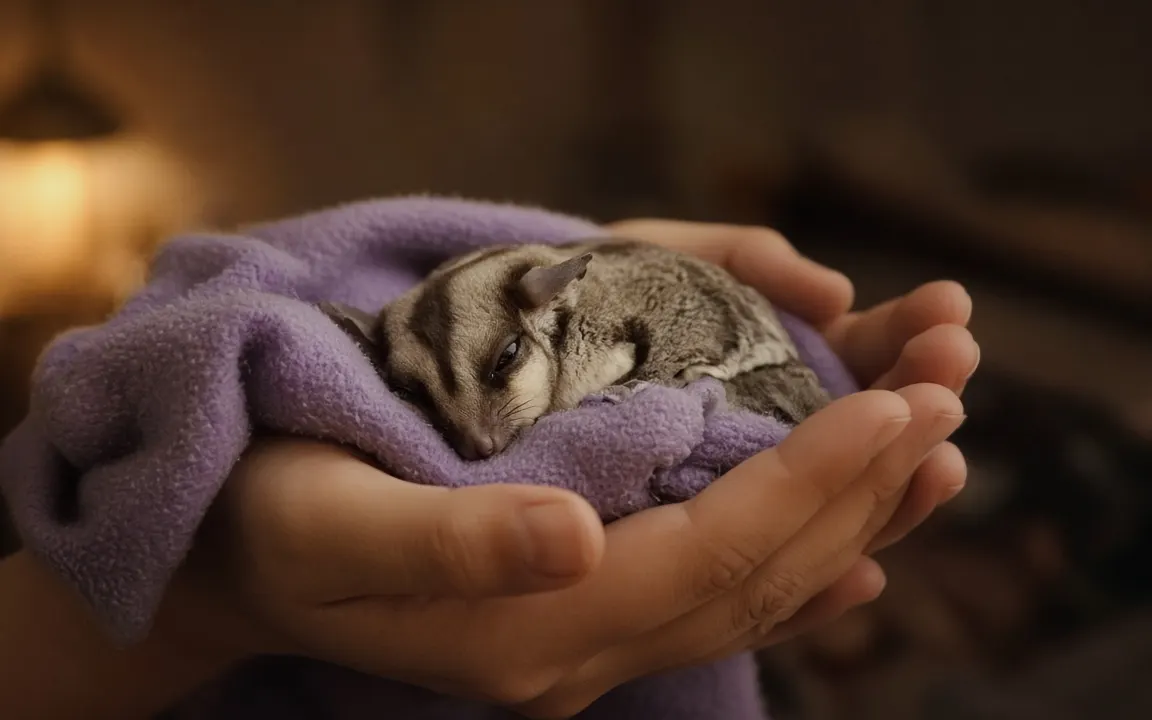
Quality of life and saying goodbye to an exotic pet
How to judge quality of life in a glider, hedgehog, axolotl or tarantula, what euthanasia involves for very small animals, and how to prepare for the goodbye.

Questions to ask a crematory about your exotic pet, and the answers to listen for
Twelve questions to ask a crematory about a glider, hedgehog, axolotl or wallaby, what a reassuring answer sounds like, and which replies are warning signs.

Getting your exotic pet to the vet, lab or crematory: a practical transport guide
How to move a glider, axolotl, tarantula or 90 lb emu to the vet, a lab or a crematory: containers by size, keeping it cold, lifting help and pickup fees.

What happens during exotic pet cremation, from arrival to return
From ID tags to the tray, the chamber and the return: how a hedgehog, axolotl or wallaby is cremated, what's left afterwards, and how aquamation differs.
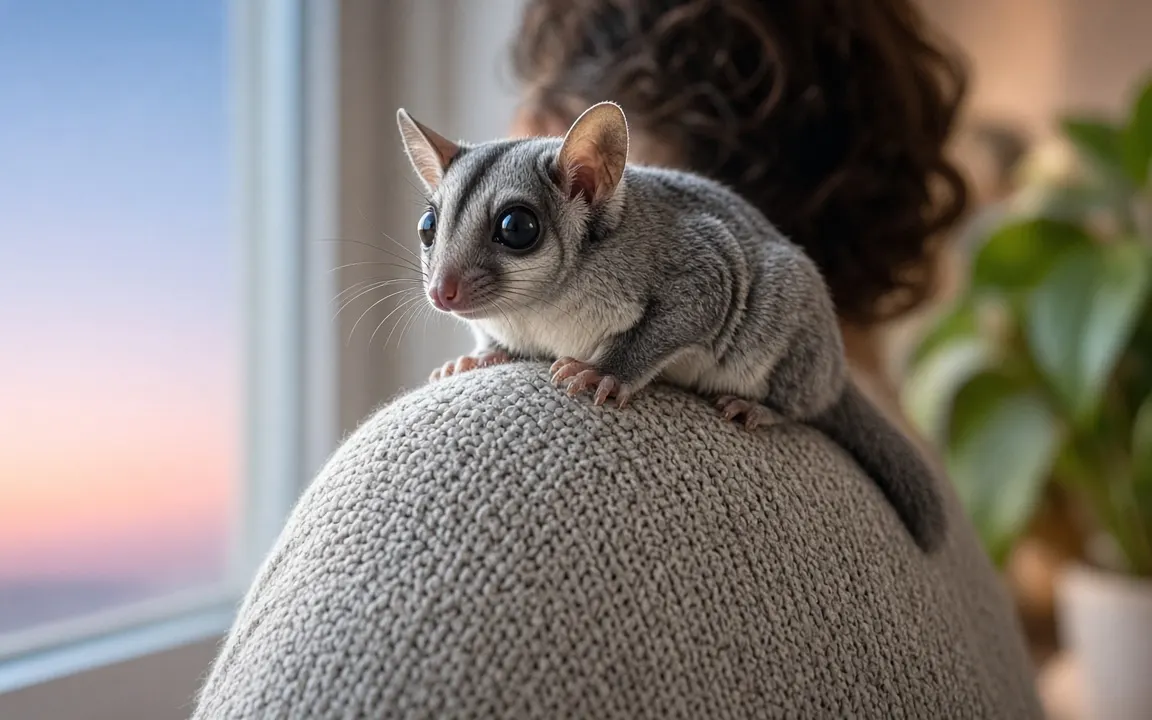
Your sugar glider has died. Here's what to do, hour by hour
The first hours after a sugar glider dies: fridge or freezer, caring for the cagemate left behind, when a necropsy helps, and what a tiny cremation returns.
Money and providers
Which articles help with cost and choosing a provider?
Start with how to compare exotic cremation quotes, which explains why a 100 g glider can cost as much as a terrier and which line items tend to be missing. Then read private vs communal cremation for exotic pets, because for very small animals that choice works differently than it does for dogs and cats.
Before you pick up the phone, questions to ask an exotic pet cremation provider gives you a short script. It matters because most people don't ask much: in the UK, only 52%[1] of cremation buyers recalled being given information about prices and packages. The cremation cost calculator gives you a fair range to hold quotes against.

Free tool
Cremation cost calculator
Estimate a realistic price range for your pet's size, location and the type of cremation.
Practicalities
Which articles explain the process and the logistics?
What happens during exotic pet cremation walks through each step, from the ID disc to the tray used for small bodies, and explains why a glider, an axolotl and a spider leave such different remains. Cremated remains usually weigh about 3-5% of body weight[2], and the ashes weight estimator turns that into a figure for your pet.
Transport and logistics covers the physical side: containers for each size of animal, keeping a body cool or frozen on a long drive, and getting a 40 lb wallaby into a car. Many owners care about timing, too: in one US survey, the most common wish was for a pet to leave the vet hospital within a day[3].
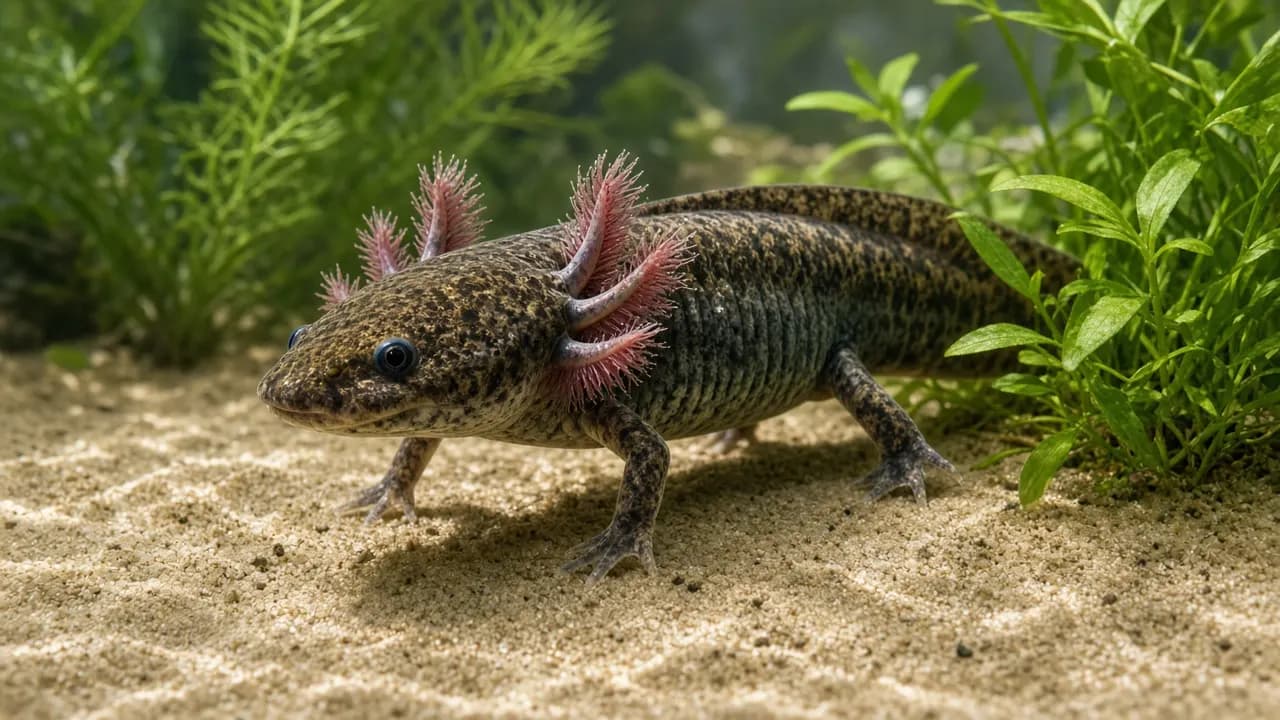
Before the end
Which articles help you plan and say goodbye?
Pre-planning exotic pet aftercare covers the five decisions worth making while your pet is well, including preservation, necropsy and how to pay. Quality of life and saying goodbye explains the signs of decline in each species, a simple daily score, and what euthanasia involves for a very small animal.
Lifespans vary enormously. A sugar glider can live 9-12 years[4], while an African pygmy hedgehog typically lives 4-6 years[5]. The pet age calculator shows where your pet sits against its species' norm.

Free tool
Pet age & senior years calculator
Convert your pet's age and see when senior-care and planning conversations usually start.
Afterwards
Which articles cover grief and remembering?
Grief after losing an exotic pet is about the particular loneliness of grieving an animal few people understood, what to do with the empty enclosure, and where to find support. It's a common experience: in a large UK survey, only 13.4%[6] of bereaved pet owners felt fully understood by the people around them.
Memorial ideas for exotic pets matches keepsakes to species and to very small amounts of ash, from a framed molt to a glass bead. For preservation, see the display memorials guide.
A small animal can leave a very large gap. These articles are written with that in mind.
By animal
Are there articles about specific species?
Yes. Alongside the general articles, you'll find species-specific answers in the list above, including what to do when a sugar glider dies, the options for hedgehog cremation and burial, and whether a tarantula can be cremated. There's also an article on how to find a crematory that accepts exotic pets, for when the first calls don't go well.
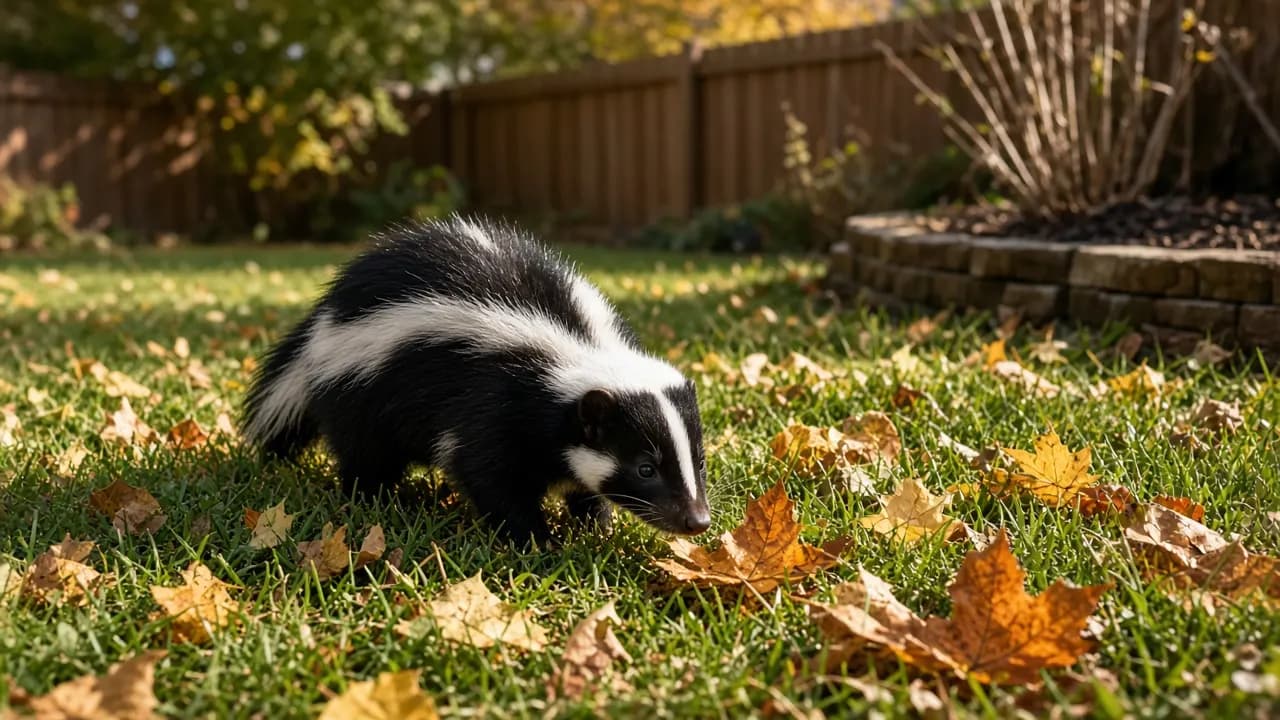
We cover sugar gliders, hedgehogs, amphibians, invertebrates, and larger exotics like skunks, wallabies, primates and emus. If your species isn't covered yet, tell us and we'll consider it for a future article, or send your pet's details for help right now.
Has a pet crematory ever hesitated over, or turned down, your species?
Tap an answer to vote and see how others answered. Anonymous.
Reading the figures
How should you read the numbers in these articles?
Most published aftercare figures were gathered for dogs and cats, so we're careful about how we apply them to a hedgehog or an emu. Where a figure comes from a general pet study, the article says so, and where a UK or Australian source is the only one available, we name the country rather than stretching it into a US claim.
Some numbers are our own calculations, such as how much more private cremation costs than communal across several markets. Those are always labelled "our estimate", and the working is on our research page. Prices change, too, so treat any figure as a starting point and ask each provider for a written total. Poll results embedded in articles are live reader votes, not research findings; you can see them all on the poll results page.
Lifespan figures are a good example. Using two UK veterinary studies, one of pet hamsters and one of pet cats, our calculation is that an average cat lives about 6.7x[7] as long as a hamster. That gap is why keepers of short-lived pets often face aftercare decisions within a couple of years of bringing an animal home. When you're ready, the services page and your local page turn the reading into options.

Reader polls
What would you choose?
Vote anonymously and see how other readers answered. The results are live counts from people who visit this site, so they show real opinions, not a scientific sample.
Which unusual companion are you planning for, or saying goodbye to?
Tap an answer to vote and see how others answered. Anonymous.
Has a pet crematory ever hesitated over, or turned down, your species?
Tap an answer to vote and see how others answered. Anonymous.
What helped you most in the first weeks?
Tap an answer to vote and see how others answered. Anonymous.

Free tools to help you plan
Cremation cost calculator
Estimate a realistic price range for your pet's size, location and the type of cremation.

Ashes weight estimator
See roughly how much ash to expect back, by species and body weight.
Pet age & senior years calculator
Convert your pet's age and see when senior-care and planning conversations usually start.
Questions people ask
Who writes the exotic pet aftercare blog?
Our editorial team, using published research, regulator reports, veterinary sources and real price lists. Sources are linked in each article, and figures we calculated ourselves are labelled as our estimates. We're an independent guide and request service, not a crematory, and we don't give veterinary or legal advice.
Can I suggest a topic for a new article?
Yes, please do. Many of our articles started with a question a keeper couldn't find answered anywhere else. Send it through the contact page with the species you keep. If it's a question about your own pet that needs an answer now, include your area and we'll reply by email with the options near you.
Do the articles apply outside the US?
Mostly, yes. The process of cremation and the practical steps are much the same everywhere. Prices and laws differ, so articles give US figures first and mention the UK, Australia, Canada and elsewhere where we have good sources. The locations section of the site explains how rules and prices vary by country and state.
Is there an article for my species if I keep a reptile or bird?
This site focuses on gliders, hedgehogs, amphibians, invertebrates and larger unusual mammals and birds such as emus. Snakes and lizards, parrots, fish and small rodents each have their own sister guides in our network. Much of the general advice here, like comparing quotes and planning ahead, still applies to them.
How are poll results used in the articles?
Polls are embedded so you can share your own experience and see how other readers voted. The results are live, anonymous reader votes, not a scientific survey, so we never present them as research findings. Where we cite research, it comes from published studies with the source linked.

Sources and our estimates
- [1] Only 52% of UK cremation buyers recalled receiving information on the price of the service and different packages. UK Competition and Markets Authority - Veterinary services for household pets, Provisional decision report Part A (Oct 2025), 2025.
- [2] Embrace notes cremated remains typically weigh about 3-5% of the pet's original body weight. Embrace Pet Insurance - Bury or Cremate Your Dog? Costs, Pros & Cons, 2025.
- [3] The most common owner preference (26.1%) was for a deceased pet to stay at the vet hospital less than 24 hours before transport to the crematory or cemetery; a further 18.1% said no more than 1-2 days. Cooney, Kogan, Brooks, Ellis - Pet Owners' Expectations for Pet End-of-Life Support and After-Death Body Care, Topics in Companion Animal Medicine (2020), 2020.
- [4] Pet sugar gliders live about 9-12 years; adults weigh about 85-170 g. Merck Veterinary Manual - Table: Sugar Gliders at a Glance.
- [5] African pygmy hedgehogs live an average of 4-6 years; adult males weigh 400-600 g and females 300-400 g. Merck Veterinary Manual - Overview of Hedgehogs.
- [6] Only 13.4% of bereaved pet owners felt fully understood by others. RSPCA — Pet Loss Survey Results, 2026.
- [7] An average UK cat lives about 6.7 times as long as an average pet hamster (11.74 vs 1.75 years). Our estimate: 11.74 / 1.75. How we calculate.
Get answers for your own pet
Tell us what you need and where you are. We'll reply by email with clear options and prices so you can decide in your own time.