What happens during exotic pet cremation, from arrival to return
Your pet is checked in and tagged, placed in the chamber (on a tray if very small), cremated at 1,200 °F+[1], cooled, and the remaining bone is processed into ash and returned. For exotic pets the steps are the same as for a cat; what differs is the care needed to keep a tiny body identified and to collect what's left.
By the Exotic Pet Cremation Services editorial team · Updated September 24, 2026 · 5 min read · Sources
- Each step, in plain language
- What remains for bone, amphibian and chitin bodies
- How water cremation (aquamation) differs
The short answer
What are the main steps of an exotic pet cremation?
There are five: arrival and identification, placement in the chamber, the cremation itself, cooling and processing, and return. A careful provider does each one the same way for a sugar glider as for a Labrador, but a few details change when the animal weighs less than a phone or more than a teenager. Knowing the steps helps you ask the right questions and picture what's happening, which many people find comforting.
We don't operate a crematory ourselves; we help you find providers who do. What follows is how the process typically works at pet crematories that handle unusual species. Individual providers vary, so it's always fine to ask a provider to walk you through their own routine.
Step 1
What happens when your pet arrives at the crematory?
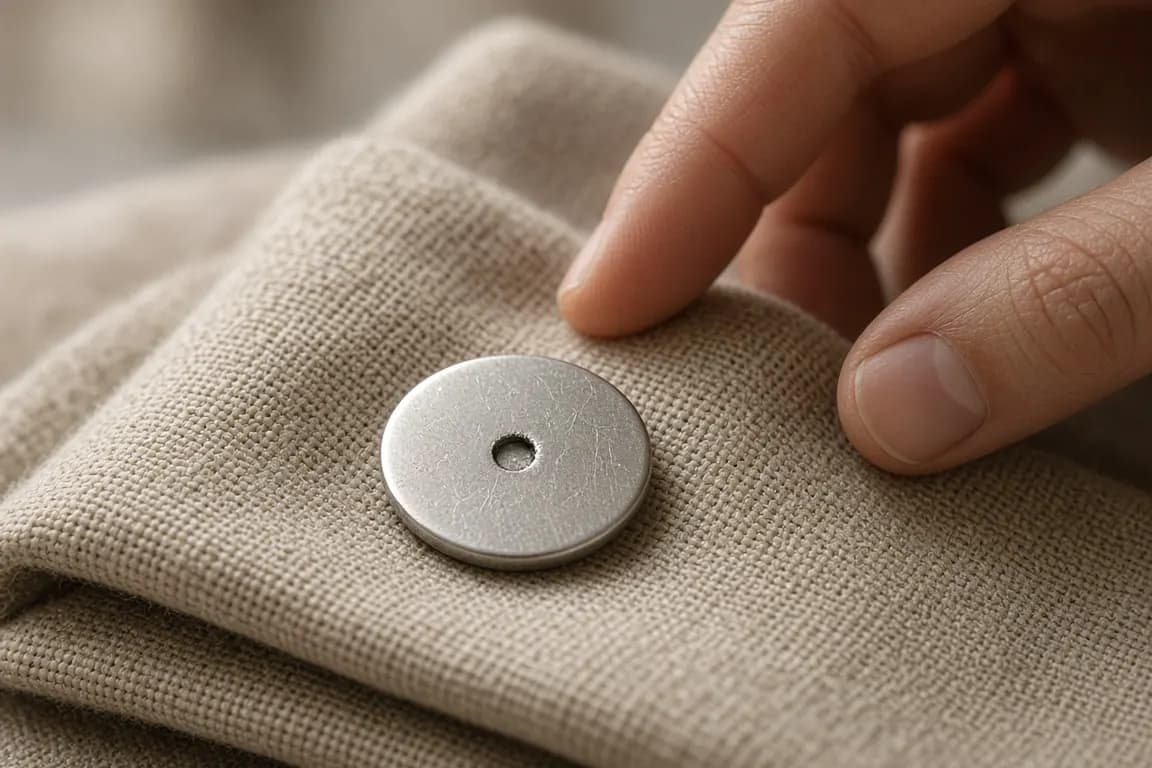
Your pet is logged in with your details, the species, the weight and the type of cremation you chose. The provider then attaches an identification tag, usually a numbered metal disc that can go through the chamber without melting. For a hedgehog or glider, the disc may be larger than a paw, so it's often placed on the tray beside the animal rather than attached.
If your pet arrived frozen, it will be left to thaw for a while first; a solidly frozen body cremates unevenly. Amphibians usually arrive sealed in a bag and are handled with gloves. Primates and animals with a known infection may be handled with extra precautions, which is why providers ask about disease before they agree. Our species card guide lists everything worth telling them in advance.
Steps 2 and 3
How is a very small or very large animal placed and cremated?
Small animals are laid on a shallow stainless steel tray, or cremated in a smaller chamber, so that fragments too fine to see aren't lost between the firebricks. You can ask for your pet to be wrapped in their own fleece or bedding; natural fabrics burn cleanly, though anything plastic or metal should be left out.
The chamber heats to 1,200 °F+[1]. Soft tissue, fur and water leave as gas; bone is what remains. How long it takes depends on mass. A commercial pet cremator processes about 250 lb/hour[2], so a 400 g hedgehog is done in well under an hour including warm-up, while a 40 lb wallaby or 90 lb emu takes a couple of hours or more. For large exotics, providers also check that the chamber takes the animal's full length.
Step 4
What is left after cremation, and why does it vary so much by species?
After cooling, what remains is mostly bone fragments. These are passed through a processor that reduces them to the soft, pale grit people picture as ashes. For mammals and birds, the amount is usually about 3-5% of body weight[4]. The ashes weight estimator turns that into grams or ounces for your pet.

Free tool
Ashes weight estimator
See roughly how much ash to expect back, by species and body weight.
| Body type | Examples | What remains |
|---|---|---|
| Small mammal | Glider, hedgehog, marmoset | A small amount of fine pale ash |
| Amphibian | Axolotl, frog, newt | Very little; light skeleton, mostly water |
| Invertebrate | Tarantula, scorpion, beetle | Usually nothing; chitin burns away |
| Large mammal or bird | Wallaby, skunk, emu | Several ounces to a few pounds |
A provider who cremates an invertebrate privately should tell you honestly beforehand that there may be nothing to collect (our article on whether you can cremate a tarantula explains why). Many keepers choose communal cremation for spiders and keep a molt instead; our private vs communal guide explains that choice.
If your pet is very small, what matters most about the ashes?
Tap an answer to vote and see how others answered. Anonymous.
Step 5
How and when do the ashes come back to you?
The processed ashes are placed in a sealed bag inside the container you chose, together with the ID disc and often a certificate. Many families receive private cremation ashes within about 5-10 days[5], and published return times across our network's markets usually sit between 3 and 14 days[6]. Collection in person is often quicker than delivery.
For small exotics, the container matters more than people expect. A standard pet urn is designed for a cat or dog and will look almost empty. The urn size calculator shows the volume your pet's ashes will take up, which for a glider may be less than a teaspoon.

Free tool
Urn size calculator
Find the urn volume you need from your pet's weight, plus keepsake and sharing options.
The water alternative
How is water cremation (aquamation) different?
Aquamation, or alkaline hydrolysis, uses warm water and alkali instead of flame. Pet systems run for 12–20 hours at 200°F[7] at normal pressure, gently breaking down soft tissue until only bone is left, which is then dried and processed like cremated remains. It uses about as much water per pet as 1–3 pet baths[8].
Families choose it for its lower environmental footprint and its gentler associations. It often returns slightly more bone material than flame, which some small-pet keepers like. It's offered in fewer places; one US insurer's guide lists aquamation at $80 to $450[9]. For amphibians and invertebrates, the result is much the same as flame: very little or nothing to return.
Had you heard of water cremation (aquamation) before today?
Tap an answer to vote and see how others answered. Anonymous.
The Veterinary Sustainability Alliance's aquamation explainer describes pet units running at about 200 °F for 12 to 20 hours, compared with the 1,200 °F or more of flame cremation described by National Geographic. Not every area has an aquamation provider, so check your local page and our services page, or see how often other keepers chose it on the poll results page.
Before you agree
What should you ask a provider about their process?
- How will my pet be identified, from collection to return?
- Do you use a tray or a small chamber for animals under a pound?
- Will any other animal be in the chamber at the same time?
- How much do you expect to return for this species and weight?
- Can I send a blanket or bedding with my pet?
- How long until I get the ashes back, and in what container?
Our full list of questions to ask an exotic pet cremation provider includes what good and worrying answers sound like. When you're ready, send us your pet's details and we'll find providers near you who have cremated your species before.
A provider who explains every step without being asked is usually one who takes every step seriously.

Reader polls
What would you choose?
Vote anonymously and see how other readers answered. The results are live counts from people who visit this site, so they show real opinions, not a scientific sample.
If your pet is very small, what matters most about the ashes?
Tap an answer to vote and see how others answered. Anonymous.
Had you heard of water cremation (aquamation) before today?
Tap an answer to vote and see how others answered. Anonymous.

Questions people ask
How long does it take to cremate a small exotic pet?
The cremation itself is short for a small animal, typically well under an hour for a hedgehog or glider, plus time for the chamber to cool. Most of the wait is scheduling, processing and paperwork. Ashes usually come back within one to two weeks, sooner if you collect in person, and some providers offer a paid faster service.
Is my pet cremated with its bedding or blanket?
Often, yes, if you ask. Natural fabrics like cotton or fleece are usually fine for small pets and burn completely. Plastic toys, metal cage accessories, collars and anything synthetic should be removed. Ask the provider what they allow, since some prefer nothing but the animal to keep the remains as clean as possible.
Why do axolotls and frogs leave so little ash?
Amphibians are mostly water, and their skeletons are light and partly cartilage. Cremation removes the water and soft tissue, leaving only mineralized bone, and there isn't much of it. A large axolotl may leave a gram or two; a small frog, sometimes nothing visible. A private cremation still means your animal was treated individually.
Do cremated remains really belong only to my pet?
In a true private cremation, yes: your pet is alone in the chamber and every fragment collected is theirs. In a partitioned cremation, animals share the chamber in separate sections, and a little mixing is possible. For a tiny animal that difference matters, so ask whether any other animal will be in the chamber, and get the answer in writing.
Is aquamation better for small exotic pets?
Neither method is better in general. Aquamation has a smaller environmental footprint and may return slightly more bone, which some owners of very small pets value. Flame cremation is far more widely available and usually quicker. For amphibians and invertebrates the outcome is similar either way. Choose based on what's available near you and what feels right.


Sources and our estimates
- [1] Cremation heats bodies to 1,200 °F or more. National Geographic — The environmental toll of cremating the dead (2019), 2019.
- [2] A commercial pet crematory rated for 1,000 lb loads cremates at an average of about 250 lb per hour (manufacturer specification). B&L Cremation Systems (manufacturer) - BLP-1000 Pet Crematory specifications.
- [3] Posted surcharges to witness or view a pet cremation range from $25 to $350, with a median of about $125 across four data points. Our estimate: median of [$25 guide low, $100 guide high, $150 NC provider, $350 VA provider]. How we calculate.
- [4] Embrace notes cremated remains typically weigh about 3-5% of the pet's original body weight. Embrace Pet Insurance - Bury or Cremate Your Dog? Costs, Pros & Cons, 2025.
- [5] A US aftercare guide says many families receive private cremation ashes within about one to two weeks, with 5-10 days commonly quoted. Funeral.com - Pet Cremation Timelines: How Long Until Ashes Are Returned, 2026.
- [6] Published ashes-return times across the network's markets range from same-day (paid express) to about 4 weeks; a conservative typical window is 3-14 days. Our estimate: min/max across sources: Lambeth 3 days; US 5-10 days; RSPCA QLD within 14 days; AniCura Sweden 2-4 weeks. How we calculate.
- [7] Pet alkaline hydrolysis systems run at about 200°F at atmospheric pressure with a 5% alkaline solution for 12–20 hours. Veterinary Sustainability Alliance — Aquamation, 2024.
- [8] Aquamation uses about the same water per pet as 1–3 pet baths. Veterinary Sustainability Alliance — Aquamation, 2024.
- [9] Embrace Pet Insurance lists US communal cremation at $30-$200, partitioned at $50-$250, private at $100-$500+ and aquamation at $80-$450. Embrace Pet Insurance - Bury or Cremate Your Dog? Costs, Pros & Cons, 2025.
Find a provider who handles exotic pets
Tell us what you need and where you are. We'll reply by email with clear options and prices so you can decide in your own time.