Cremation for the pets most crematories have never met
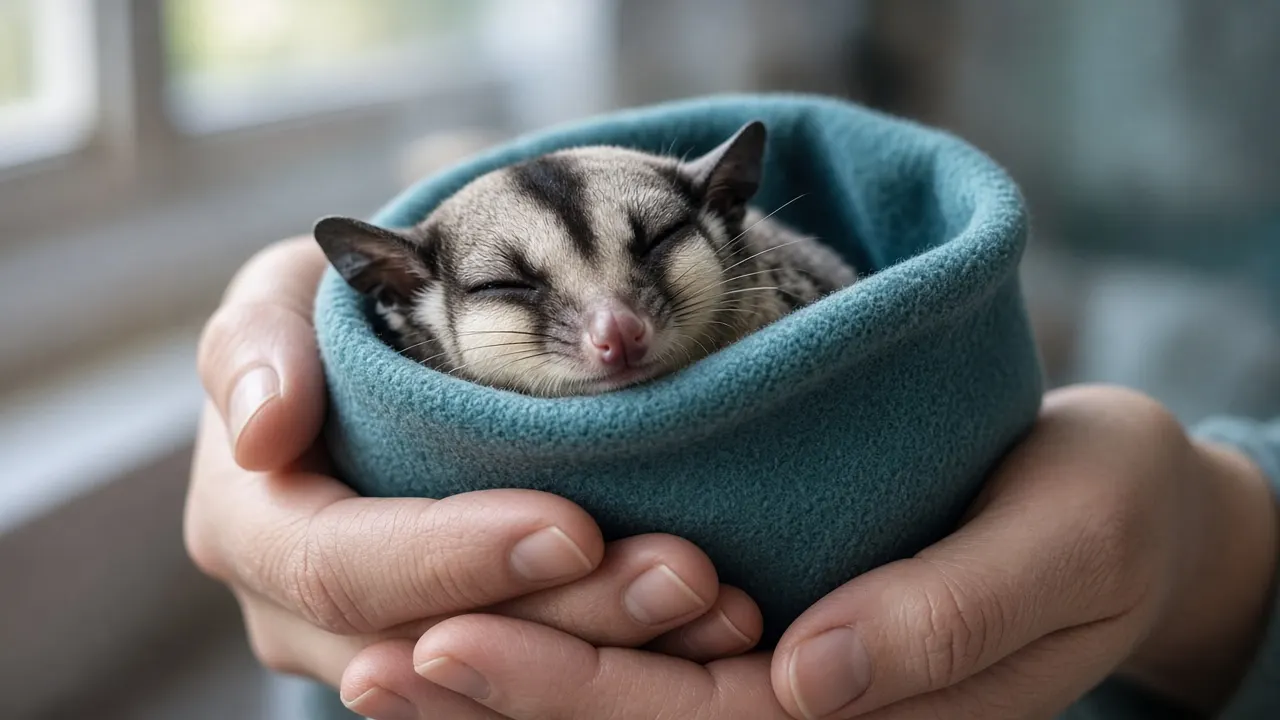
A sugar glider can live 9-12 years[1] and still weigh under 170 grams, while a wallaby can top 40 lb. Whatever you keep, we'll help you find a provider who will handle your species properly and tell you honestly what comes home.
- Providers who have handled your species before
- Straight answers on tiny ashes, permits and necropsy
- Written prices before anything is agreed
If your pet has just died
Fridge, freezer or vet: the first decision that can't wait
With a dog or cat, the first hours are mostly about comfort. With an exotic pet there's one practical choice to make early, because it changes how the body should be stored. Do you want to know why they died, do you want them preserved, or do you want them cremated as they are?
- For a necropsy (an animal post-mortem), wrap your pet in a paper towel, seal them in a bag and keep them in the fridge, not the freezer. Freezing damages tissue and can hide the answer. Aim to reach the vet within a day or two.
- For freeze-drying, taxidermy or resin, freeze promptly in a sealed, labelled bag. Preservation artists generally want a body frozen early rather than chilled for days.
- For cremation only, the fridge is fine for a day or two, and the freezer is fine for longer if it takes time to find the right provider.
Amphibians and axolotls need one extra step: keep them in a sealed bag rather than a tub of water, and never put a body, or the tank water it was in, down a drain or into a pond. Amphibian diseases such as chytrid fungus spread through water. If you keep other animals of the same species, wash your hands and tools before going back to them.
The hardest part for most keepers
Why some crematories hesitate, and how to find one that won't
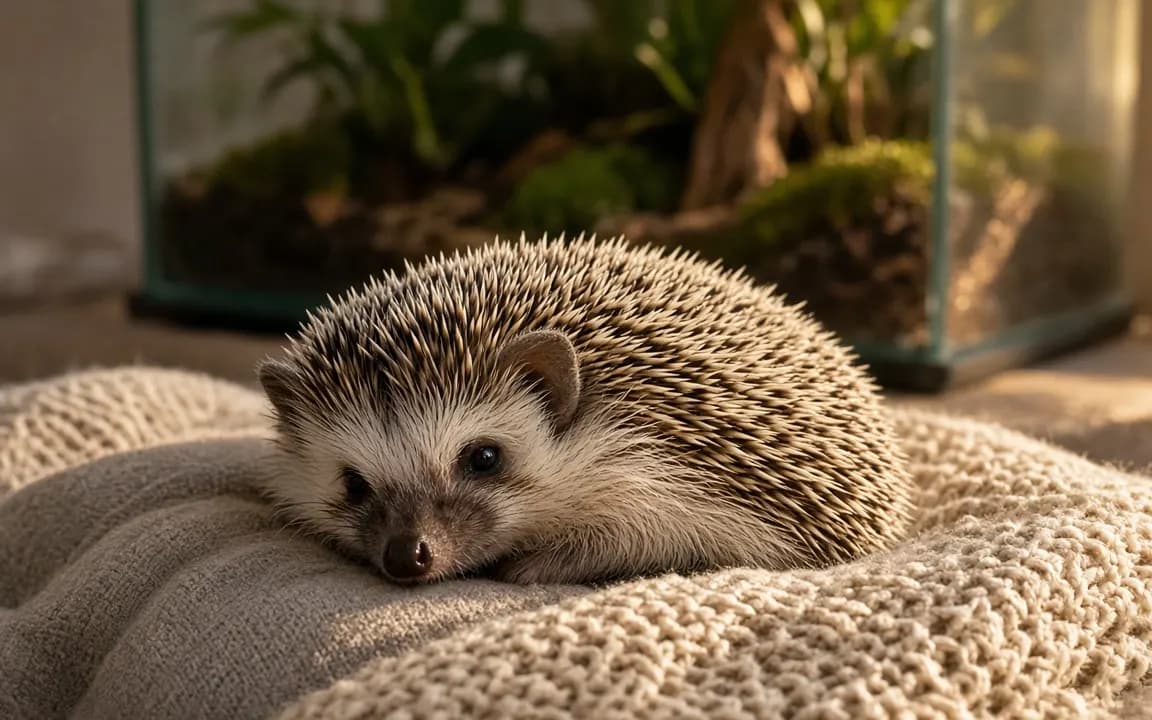
Most pet crematories are built around dogs and cats. One market estimate splits global pet funeral revenue as 60.1% dogs[2], 33.7% cats and just 6.2% for every other kind of pet combined. So when you ring about a hedgehog or a tarantula, you may be the first call of that kind they've had all year. Our article on finding a crematory that takes exotic pets explains who to ring first.
Hesitation usually comes from three places. The provider doesn't know if a very small body will leave anything to return. They're unsure about legal paperwork for a protected species. Or the animal is unusually large, like a wallaby or an emu, and won't fit their usual routine. None of these are reasons to give up, but they are reasons to ask better questions.
- Ask your exotics vet first. They usually know which local crematory has taken their unusual patients before.
- When you call a crematory, name the species and give the weight. "A 400 gram African pygmy hedgehog" gets a far more useful answer than "a small pet".
- Ask directly: "Have you cremated this species, or something this size, before?"
Our questions to ask an exotic pet cremation provider lists what good answers sound like. Or send us your pet's details and we'll check with providers for you.
Has a pet crematory ever hesitated over, or turned down, your species?
Tap an answer to vote and see how others answered. Anonymous.
Tiny to very large
What your pet's size means for the ashes you get back
Cremated remains are mostly bone, and for most animals they weigh roughly 3-5% of body weight[3]. That rule of thumb was built on dogs and cats. Animals with very light or soft skeletons, like axolotls and frogs, can return less. Invertebrates have no bones at all: a tarantula's exoskeleton is made of chitin, which burns away.
| Pet | Typical adult weight | Ashes you might expect |
|---|---|---|
| Sugar glider | 85 to 170 g | A few grams, often under a teaspoon |
| African pygmy hedgehog | 300 to 600 g | About 10 to 30 g, a tablespoon or two |
| Axolotl or large frog | 60 to 250 g | Very little; sometimes almost nothing visible |
| Tarantula or scorpion | 10 to 80 g | Usually nothing recoverable |
| Pet skunk | 4 to 12 lb | Roughly 2 to 10 oz |
| Bennett's wallaby | 25 to 45 lb | Roughly 0.75 to 2 lb |
| Emu | 70 to 100 lb | Roughly 2 to 5 lb |
For very small animals, ask how the provider keeps the remains separate. Some use a small tray inside the chamber, so fine fragments aren't lost among the bricks. For large animals, ask whether their chamber and handling equipment take the full weight, and whether they need you to deliver. Our ashes weight estimator works out a range for your pet's actual weight.
Prices
What exotic pet cremation costs, and why small isn't always cheap
Crematories usually price by weight band, and the lowest band is often "up to 10 lb" or "up to 30 lb". A glider and a small dog can land in the same band, so a tiny pet often pays a minimum charge rather than a small one. In the US, cremation for pets in the smallest band typically runs:
communal $45-75; private $100-175[4]
Wider industry ranges are broader still. One US insurer lists communal $30-200; private $100-500+[5], and some providers also offer water cremation (aquamation). Large exotics like wallabies or emus are priced like big dogs, and some add a handling fee if the animal needs special lifting or a separate delivery.

Free tool
Cremation cost calculator
Estimate a realistic price range for your pet's size, location and the type of cremation.
The price quoted should be written and itemised: collection, the cremation itself, the container and any certificate. Our guide to comparing exotic pet cremation quotes shows which lines tend to be missing.
Our calculation shows how steep that minimum can feel: working from US weight-band prices, private cremation comes to roughly $9 a pound for a 15 lb pet but closer to $4 a pound at 60 lb[6]. A glider weighs 85 to 170 g according to the Merck Veterinary Manual's sugar glider profile, and a hedgehog 300 to 600 g in its hedgehog overview, so the per-pound cost for them is far higher again. That's why a few written quotes, gathered through our services page or your local page, matter more for an exotic than for a dog.
Permits and protected species
Does your pet need paperwork even after they've died?
For most sugar gliders, hedgehogs and tarantulas, no. But some exotic pets were only legal to keep under a state or local permit, and a few species are protected internationally under CITES, the treaty that controls trade in endangered animals and plants. Axolotls, many primates and some large birds fall under it.
Cremation inside your own country is usually straightforward, but the rules can matter if you want to preserve the body, keep parts like feathers or skull, or move remains across a border. Your permit issuer may also expect to be told about the death. The US imports an enormous volume of wildlife, around 11 billion specimens[7] over 14 years, which is why the records attached to some species are taken seriously.
A choice most dog owners never face
Preservation, cremation, or a little of both
Exotic keepers are more likely than most to consider preservation. A tarantula in resin, a freeze-dried hedgehog curled as it slept, a glider's tail feathered in a shadow box: these feel natural to people who kept their animal on display in life. Freeze-drying a very small pet starts at around USD 650[8] at one US studio, with a wait of several months.
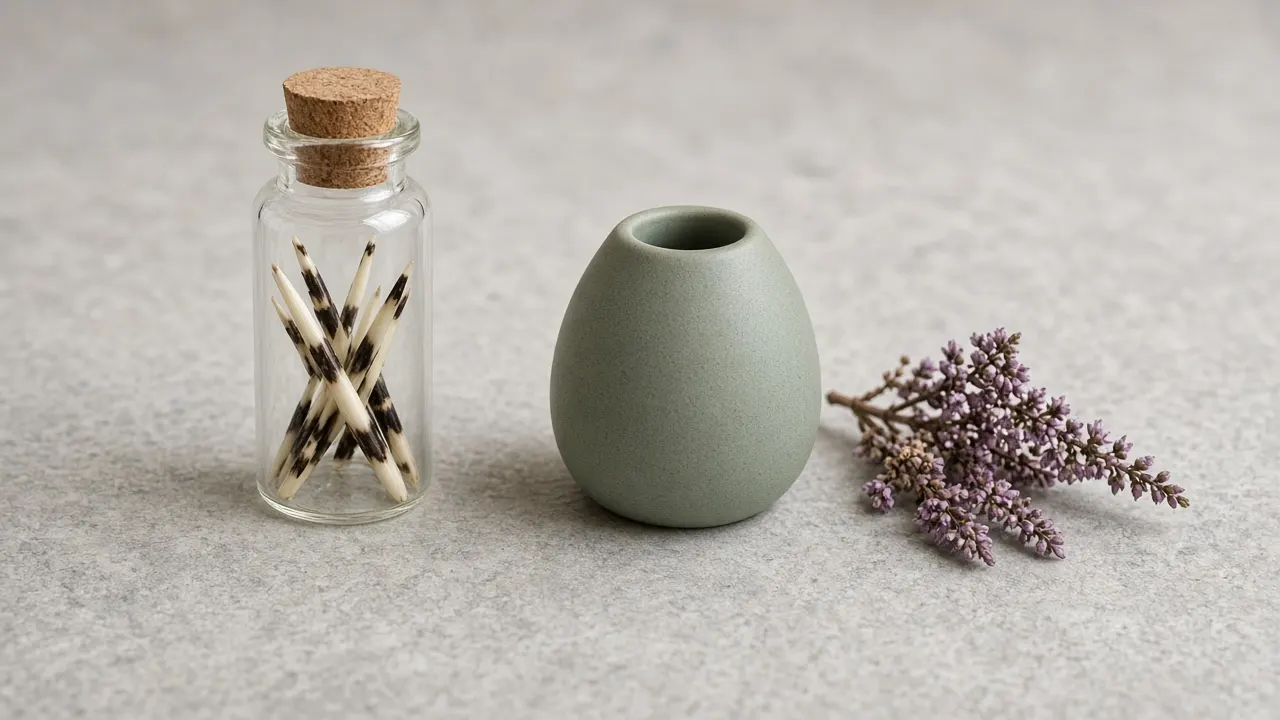
You can't do both with the same body, so this decision comes before cremation. Some keepers compromise: they keep a shed molt, quills or a single feather, and cremate the rest. Our resin and display memorials guide covers what's realistic for invertebrates and very small animals.
Have you thought about preservation instead of, or as well as, cremation?
Tap an answer to vote and see how others answered. Anonymous.
It's not strange to grieve
Grieving a pet other people didn't understand
Keepers of unusual pets often hear the dismissive comments first. In a large UK survey, 34.5%[9] of bereaved owners had been told "it's just a pet", and for someone who lost a hedgehog or a tarantula, the unspoken version is often worse. The time you spent learning their diet, temperatures and moods was real care.
You learned a whole species to look after one animal. That knowledge is love, and it's allowed to hurt.
Our page on grief after losing an exotic pet has ideas that fit smaller, quieter losses, and the aftercare options comparison helps if you're still weighing cremation against burial.

Reader polls
What would you choose?
Vote anonymously and see how other readers answered. The results are live counts from people who visit this site, so they show real opinions, not a scientific sample.
Which unusual companion are you planning for, or saying goodbye to?
Tap an answer to vote and see how others answered. Anonymous.
If your pet is very small, what matters most about the ashes?
Tap an answer to vote and see how others answered. Anonymous.
If you had to decide today, which aftercare would you choose for your pet?
Tap an answer to vote and see how others answered. Anonymous.

Free tools to help you plan
Cremation cost calculator
Estimate a realistic price range for your pet's size, location and the type of cremation.

Ashes weight estimator
See roughly how much ash to expect back, by species and body weight.

Aftercare options compared
Compare private, communal and water cremation with burial on cost, timing and what comes home.
Questions people ask
Can you cremate a sugar glider or hedgehog?
Yes. Many pet crematories will cremate small mammals like sugar gliders and hedgehogs, but not all have done it before. Ask whether they cremate small animals individually, whether they use a tray to collect fine remains, and how much ash they expect to return. A hedgehog usually leaves a tablespoon or two; a glider leaves a few grams.
Do tarantulas leave ashes after cremation?
Usually not in any meaningful amount. Tarantulas and other invertebrates have an exoskeleton made of chitin rather than bone, and it burns away almost completely. Many keepers choose a resin block, a display case or keeping a shed molt instead. If you do want cremation for its meaning, ask the provider to tell you honestly what, if anything, will come back.
Should I put my dead exotic pet in the fridge or the freezer?
It depends on what happens next. If you want a necropsy to find the cause of death, refrigerate and get to the vet within a day or two, because freezing damages tissue. If you want freeze-drying or taxidermy, freeze promptly. If you only want cremation, either is fine; the freezer buys you more time to find the right provider.
How much does exotic pet cremation cost?
Most small exotics fall into a crematory's lowest weight band. CareCredit's US ranges for pets up to 30 lb are communal $45-75; private $100-175[4], so tiny animals often pay a minimum charge. Large exotics like wallabies are priced like big dogs. Pickup, a small urn and certificates may cost extra, so ask for a written, itemised total.
Do I need a permit to cremate a CITES-listed or protected pet?
Cremation within your own country usually doesn't need a new permit, but keep your existing permit and CITES records to hand, as the provider or your permit issuer may ask about them. Preserving the body, keeping parts, or moving remains across a border can involve separate rules. Check with your state wildlife agency or national CITES authority before you act.
Is it safe to bury an axolotl or frog in the garden?
It can be, where local rules allow, but bury well away from ponds, streams and drains. Amphibian diseases such as chytrid fungus spread through water and can harm wild frogs and salamanders. Never flush an amphibian or empty its tank water outdoors. Cremation removes that risk entirely, even if very little ash comes back.
Keep reading

Exotic pet aftercare services
Individual cremation, invertebrate memorials, amphibian care and large-exotic handling.

Find an exotic-friendly provider near you
How rules, prices and willingness vary by state and country.

Species cards for honest aftercare
What to tell a provider about your animal before they agree.
What other exotic keepers chose
Live results from our reader polls.
Sources and our estimates
- [1] Pet sugar gliders live about 9-12 years; adults weigh about 85-170 g. Merck Veterinary Manual - Table: Sugar Gliders at a Glance.
- [2] Dogs accounted for an estimated 60.1% of pet funeral services revenue in 2024, cats 33.7% and other pets 6.2% (Market.us). Market.us — Pet Funeral Services Market report page, 2024.
- [3] Embrace notes cremated remains typically weigh about 3-5% of the pet's original body weight. Embrace Pet Insurance - Bury or Cremate Your Dog? Costs, Pros & Cons, 2025.
- [4] CareCredit's pet cremation guide lists US communal cremation at $45-$75 and private at $100-$175 for pets up to 30 lb. CareCredit (Synchrony) - How Much Does Pet Cremation Cost? (Sept 2023), 2023.
- [5] Embrace Pet Insurance lists US communal cremation at $30-$200, partitioned at $50-$250, private at $100-$500+ and aquamation at $80-$450. Embrace Pet Insurance - Bury or Cremate Your Dog? Costs, Pros & Cons, 2025.
- [6] Private cremation cost per pound falls with size in the US: roughly $9.2/lb for a 15 lb pet, $4.2/lb at 60 lb and about $4.0/lb at 100 lb. Our estimate: band midpoint price / representative weight: 0-30 lb (midpoint $137.50 / 15 lb) = $9.17/lb; 51-70 lb ($250 / 60 lb) = $4.17/lb; over 90 lb ($400 / ~100 lb) = $4.00/lb. How we calculate.
- [7] From 2000-2013 the U.S. imported about 11 billion wildlife specimens; tropical fish were 25% of specimens and one-third of shipments contained live animals, mostly for the aquatic and pet industries. Smith KM et al. Summarizing US Wildlife Trade with an Eye Toward Assessing the Risk of Infectious Disease Introduction. EcoHealth, 2017 (PMID 28176029), 2017.
- [8] One U.S. pet preservation studio charges USD 650 to freeze-dry a pet under 1 lb, with a 4–6 month turnaround. Animal Family Pet — Pet Preservation Pricing & Shipping, 2026.
- [9] 34.5% of bereaved pet owners were told 'it's just a pet'. RSPCA — Pet Loss Survey Results, 2026.
Find someone who'll care for your exotic pet
Tell us what you need and where you are. We'll reply by email with clear options and prices so you can decide in your own time.