Exotic pet aftercare guides for keepers of unusual animals
These guides answer the questions dog and cat advice skips: what to tell a crematory about a 90-gram glider, whether a CITES-listed axolotl needs paperwork after death, and how to keep a tarantula's form when cremation leaves nothing. Start with the one that matches where you are today.
- Written for gliders, hedgehogs, amphibians, invertebrates and big exotics
- Every figure linked to a source or shown as our estimate
- Practical steps, not sales pitches

Start here
Which guide should you read first?
If your pet is healthy and you want to be ready, start with the aftercare checklist. If you're about to call a crematory, read the species card guide first; it takes five minutes and makes that call much easier. If your animal was kept under a permit or is a protected species, the legal guide comes before anything else. And if you're thinking about keeping your pet's form rather than its ashes, go to resin, freeze-dried and display memorials.
If your pet has just died, you don't need a guide yet. Wrap the body, seal it in a bag and put it in the fridge, or the freezer if you might want preservation. That buys you time to read calmly. The full list of guides is below.
All guides
In-depth guides to the decisions families face, written in plain English.
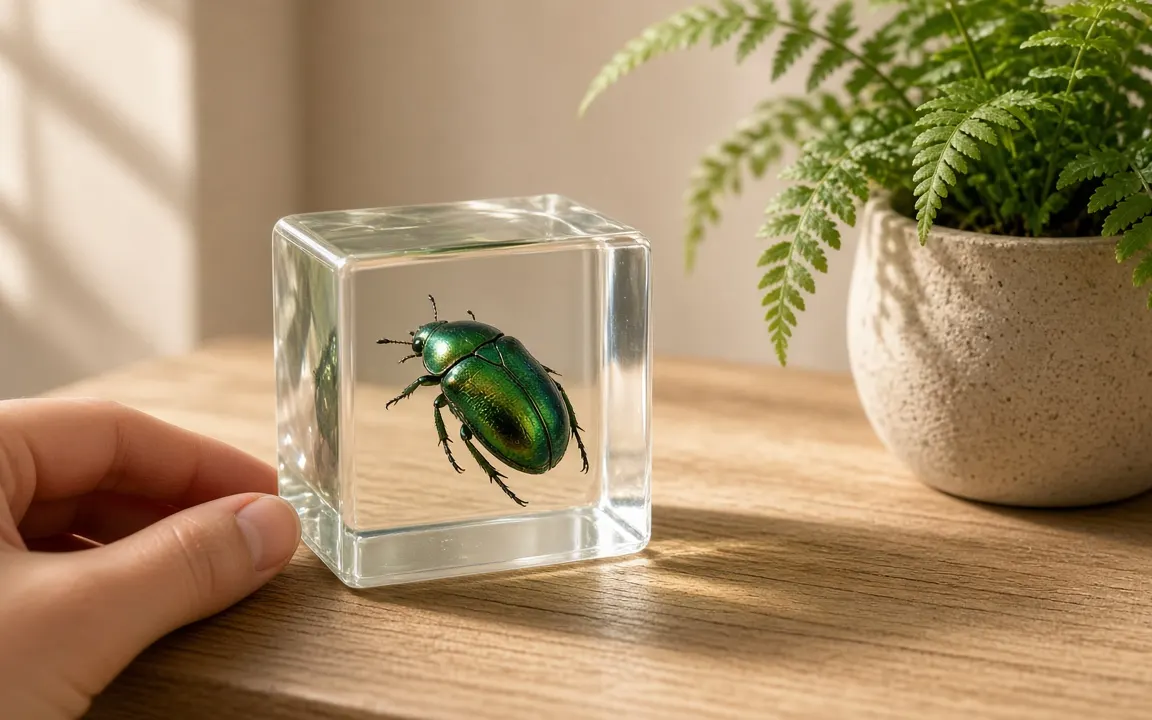
Resin, freeze-dried and display memorials for exotic pets
Which memorial suits a tarantula, a hedgehog or a glider: resin, shadow boxes, freeze-drying or ash-in-glass. Real prices, wait times and how to freeze first.
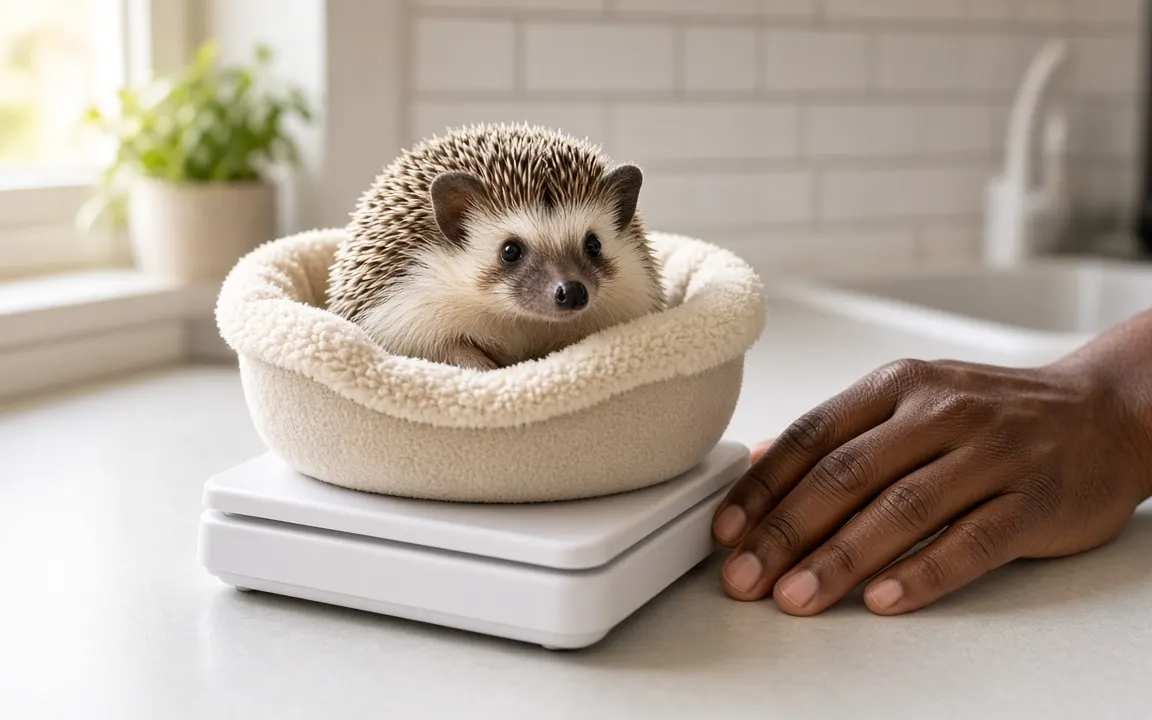
What to tell a crematory about your exotic pet: the species card
The eight details a crematory needs to say yes honestly to a hedgehog, axolotl or wallaby, with a fill-in species card and three worked examples.

Exotic pet aftercare and the law: permits, protected species and burial rules
Do permits still matter after an exotic pet dies? What CITES means for axolotls and primates, keeping quills or feathers, home burial rules and who to ask.

The exotic pet aftercare checklist: what to set up before you need it
A practical checklist for glider, hedgehog, axolotl and tarantula keepers: the kit, phone numbers and papers to have ready before the night you need them.
Why these exist
Why do exotic keepers need their own aftercare guides?
Because almost all aftercare advice is built for dogs and cats, and so is the industry. Dogs account for 60.1%[1] of pet funeral revenue by one market estimate, cats about a third, and every other kind of animal shares what's left. When a provider rarely sees a hedgehog, it's hard for them to say what will come back or how it should be handled.
Exotic animals aren't rare at the vet, though. At the University of Tokyo's veterinary pathology service, they made up 20.5%[2] of necropsy cases over 15 years. Keepers of these animals have specific questions that deserve specific answers, and those answers change completely between a sugar glider, an axolotl and a wallaby.

Planning ahead
What do the planning guides cover?
The pre-planning checklist is the practical one: a small kit to keep in a drawer, four phone numbers to collect, a paperwork folder, and a one-page card for whoever is home on the day. It pairs with our blog article on pre-planning decisions and costs, which covers the bigger choices like preservation, necropsy and insurance.
The species card guide shows what to tell a provider: species, weight, length, storage, cause of death, disease concerns, permits and what you want back. It includes worked examples for a hedgehog, an axolotl and a wallaby. Families are often never shown their full range of choices; only 47%[3] of UK cremation buyers recalled being told about the options. A clear description helps you get the whole picture.

Free tool
Cremation cost calculator
Estimate a realistic price range for your pet's size, location and the type of cremation.
Paperwork
What does the legal guide explain?
Most exotic pets need no paperwork after death. The legal guide explains the four situations where they do: a keeping permit, a CITES-listed species, keeping a part of the animal, or moving remains abroad. It also covers home burial rules, what to do if a disease risk is involved, and how little regulation applies to pet crematories themselves: in the US, one directory counts only 9 states[4] with laws written specifically for them.
It isn't legal advice. It tells you who to ask for each kind of question, from the office that issued your permit to your national CITES authority.
Which unusual companion are you planning for, or saying goodbye to?
Tap an answer to vote and see how others answered. Anonymous.
Keeping their form
What if you'd rather keep your pet than its ashes?
For some exotic animals, cremation isn't the obvious choice. Cremated remains usually weigh about 3-5% of body weight[5], which for a glider is a few grams and for a tarantula is nothing at all. The display memorials guide covers resin blocks and shadow boxes for invertebrates, freeze-drying for small mammals (from about USD 650[6] for a pet under a pound at one US studio), and glass or jewelry made from a pinch of ash.
It also explains how to freeze your pet so an artist can still work with the body, which is the step that most often closes this door by accident. If you're weighing preservation against cremation, the aftercare options comparison puts them side by side.

Free tool
Aftercare options compared
Compare private, communal and water cremation with burial on cost, timing and what comes home.
Our standards
How are these guides researched and written?
Every number links to its source: consumer studies, regulator reports, published price lists and veterinary research. Where there's no exotic-specific data, we say so and explain how we applied a general figure. Figures we calculated ourselves are labelled "our estimate" with the working shown. You can see our sources on the research page.
We're an independent guide and request service, not a crematory. We don't publish reviews or ratings we can't verify, and we don't give veterinary or legal advice. If you spot a mistake about a species you know well, please tell us; keepers often know more than any published source. Read more about us.
A good guide should make the next phone call shorter, not the page longer.
Part of the reason these guides exist: working from the UK competition regulator's provisional findings, our estimate is that only about 3 to 4% of bereaved owners find their cremation provider through an online search[7]. Most go wherever their vet sends them, which is harder when the animal is unusual. For species facts we start from vet references like the Merck Veterinary Manual's chapter on hedgehog diseases. When you're ready to act, your local page and the poll results are good next stops.
Keep reading
Where can you go after the guides?
Our blog answers narrower questions, from what happens during exotic pet cremation to grief after losing an exotic pet. The tools turn your pet's species and weight into a cost range, an ashes estimate or an urn size. And the polls let you see how other keepers approached the same decisions.
Few people compare aftercare providers: in the UK, 89%[8] of owners who bought a cremation never did. For an exotic pet, comparing is also how you find someone genuinely comfortable with your species. If you'd like that done for you, send us your pet's details.
When did you (or will you) decide on aftercare?
Tap an answer to vote and see how others answered. Anonymous.

Reader polls
What would you choose?
Vote anonymously and see how other readers answered. The results are live counts from people who visit this site, so they show real opinions, not a scientific sample.
Which unusual companion are you planning for, or saying goodbye to?
Tap an answer to vote and see how others answered. Anonymous.
When did you (or will you) decide on aftercare?
Tap an answer to vote and see how others answered. Anonymous.

Questions people ask
Are these guides written by vets?
No. They're written by our editorial team from published research, regulator reports, price lists and veterinary sources, all linked. We don't give veterinary advice, and the guides say clearly when a question belongs with your vet. We don't invent credentials or quote named experts we haven't spoken to.
Do the guides cover snakes, lizards, parrots and fish?
Not in depth. This site focuses on sugar gliders, hedgehogs, amphibians, invertebrates and larger exotics such as skunks, wallabies, primates and emus. Snakes and lizards, parrots, pet fish and small rodents each have their own sister guides in our network, written around those keepers' situations.
Is the legal guide enough to know what I'm allowed to do?
It's a starting point, not an answer for your specific case. Rules on permits, protected species and burial vary by state, city and country, and they change. The guide explains which situations raise legal questions and who to contact for each one. Always check with the relevant office before you keep parts of a protected animal or move remains across a border.
Which guide helps most if a crematory has said no to my pet?
The species card guide. A provider often hesitates because it doesn't have enough information to know whether it can help. Describing the species, weight, length and what you want back usually gets a clearer answer. If it's still a no, ask who they'd recommend, or send us the details and we'll look for a provider who has handled your species.
How often are the guides updated?
We review them regularly and whenever we find a better source, a changed rule or a price that has moved. Each guide shows the date it was last reviewed. If you notice something out of date, especially a law or price in your area, let us know through the contact page.


Sources and our estimates
- [1] Dogs accounted for an estimated 60.1% of pet funeral services revenue in 2024, cats 33.7% and other pets 6.2% (Market.us). Market.us — Pet Funeral Services Market report page, 2024.
- [2] At the University of Tokyo, exotic animals made up 20.5% of necropsy cases in 2006-2020, and the median age at death of necropsied dogs rose from 2 years (1903-1914) to 10 years. Nakayama H et al. Chronological transition of necropsy cases of animals in Tokyo, Japan. J Vet Med Sci, 2023 (PMID 36385043), 2023.
- [3] Fewer than half (47%) of UK cremation buyers recalled being told about a range of options, including communal cremation or home burial. UK Competition and Markets Authority - Veterinary services for household pets, Provisional decision report Part A (Oct 2025), 2025.
- [4] Nine US states have pet-crematory-specific licensing or consumer statutes: California, New York, Texas, Arizona, Virginia, Georgia, North Carolina, Maryland and Illinois. FindPetCremations - Pet Cremation Laws & Regulations by State (2026), 2026.
- [5] Embrace notes cremated remains typically weigh about 3-5% of the pet's original body weight. Embrace Pet Insurance - Bury or Cremate Your Dog? Costs, Pros & Cons, 2025.
- [6] One U.S. pet preservation studio charges USD 650 to freeze-dry a pet under 1 lb, with a 4–6 month turnaround. Animal Family Pet — Pet Preservation Pricing & Shipping, 2026.
- [7] Roughly 3-4% of all bereaved UK owners find their cremation provider through online search. Our estimate: 67% cremate x 5% chose via online search = 3.35%. How we calculate.
- [8] 89% of UK owners who bought a pet cremation did not compare different providers; 9% did. UK Competition and Markets Authority - Veterinary services for household pets, Provisional decision report Part A (Oct 2025), 2025.
Ask us about your exotic pet
Tell us what you need and where you are. We'll reply by email with clear options and prices so you can decide in your own time.