Getting your exotic pet to the vet, lab or crematory: a practical transport guide
Match the container to the size of your pet, keep the body cool or frozen with ice packs that don't touch it directly, seal amphibians in a bag, and line up help for anything heavier than you can carry. If you'd rather not drive, one Virginia provider charges $175[1] just to collect from a vet clinic.
By the Exotic Pet Cremation Services editorial team · Updated September 24, 2026 · 7 min read · Sources
- The right container for a 90 g glider or a 90 lb emu
- How to keep a body cold or frozen on a long drive
- Getting the ashes home again safely

The short answer
How do you move an exotic pet's body safely and respectfully?
Choose a container that fits snugly, wrap your pet in a soft cloth, and keep them cold for the whole journey. Small bodies travel in a lined box inside a cool bag; amphibians go in a sealed bag first; large exotics need a tarp or stretcher and at least two people. If the body is going anywhere other than your own vet, ask the recipient how they want it packed before you set off.
How your pet is carried matters to people, not just to the logistics. In a US survey of owners, 64%[2] rated a trash bag as an unacceptable container for a pet's body, while 66.1% found a blanket or shroud acceptable. You don't need anything expensive. A shoebox lined with a favorite fleece is both practical and kind.
Timing is the other half. Where your pet is headed decides whether you should chill or freeze them, and our pre-planning checklist covers the kit worth keeping ready at home. This article picks up at the moment you need to get in the car.
By size
Which container should you use for each size of exotic pet?
| Pet | Typical weight | Container | Extra care |
|---|---|---|---|
| Sugar glider, short-tailed opossum | Under 200 g | Small lidded box lined with a cloth | Curl gently in a natural sleeping position first |
| Hedgehog | 300 to 600 g | Shoebox or small plastic tub with a towel | Wrap in a thick cloth so quills don't catch the lining |
| Axolotl, frog, salamander | 5 to 300 g | Sealed zip bag inside a rigid tub | No tank water in the bag; double-bag if in doubt |
| Tarantula, scorpion, mantis | A few grams | Small rigid pot padded with tissue | Legs and spines break easily, so avoid anything that squashes |
| Skunk, kinkajou, marmoset | 0.5 to 10 lb | Pet carrier or picnic cooler with a blanket | Line with a waterproof sheet underneath |
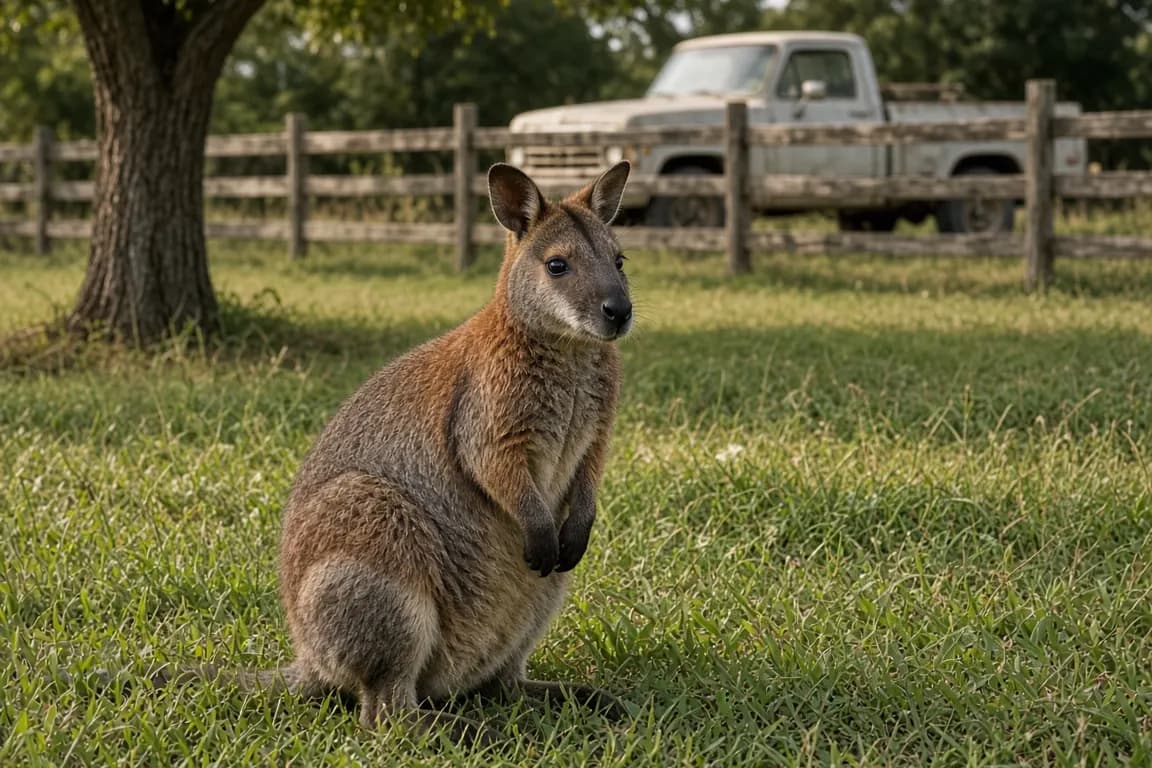
| Wallaby, emu, large primate | 40 to 100+ lb | Tarp or stretcher, then a vehicle bed | Two to four people to lift; ask the vet for a body bag |
For amphibians, the bag matters more than anything. Their skin keeps releasing fluid, and the tank water may carry diseases like chytrid fungus that harm wild frogs. Seal the body in a clean zip bag with a damp paper towel, never in tank water, and put that bag inside a rigid container so it can't be crushed.
Label the outside of any container with your pet's name, species and your phone number. It feels clinical, but it keeps a tiny body from being mistaken for a sample or a parcel when it changes hands.
Temperature
How do you keep the body cool or frozen during the journey?
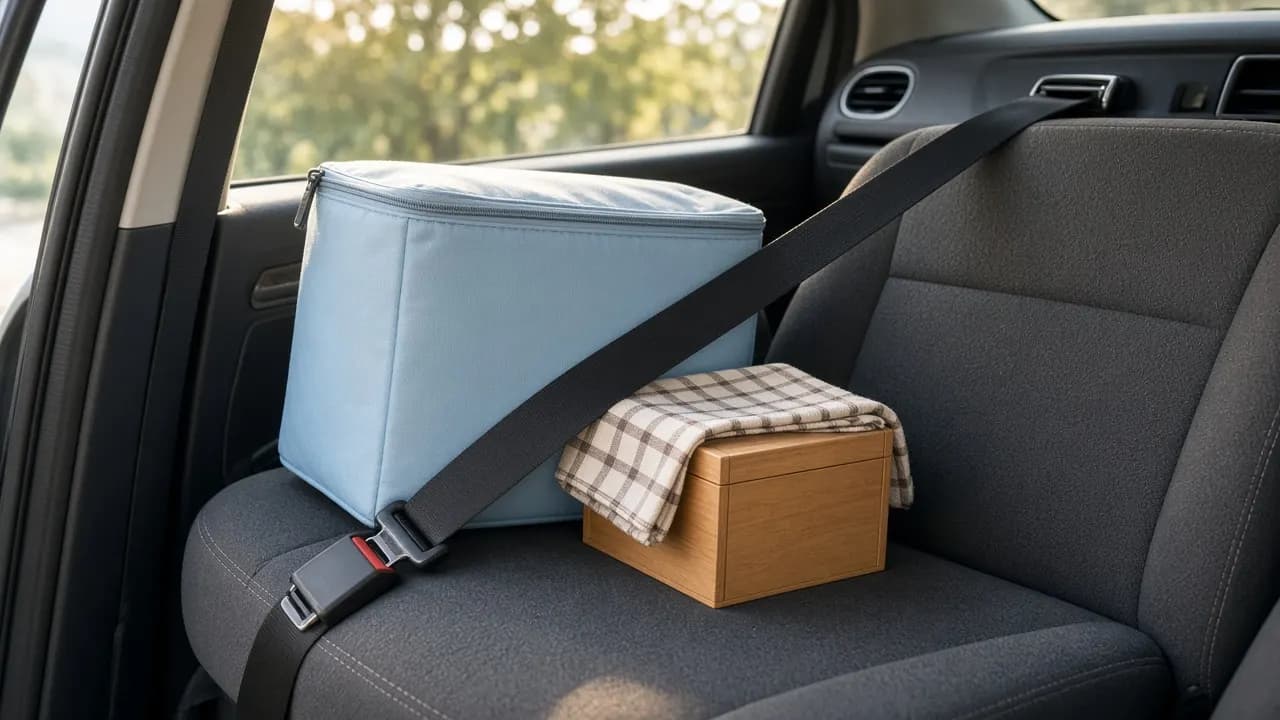
Use a cool bag or cooler with ice packs, but keep a towel or a layer of cardboard between the packs and your pet. Ice packs pressed directly against a small body can freeze patches of tissue, which matters if a vet or pathologist needs to examine it. It also keeps the body from getting damp as the packs sweat.
- Going for a necropsy? Keep your pet chilled, not frozen. Freezing damages cells and can hide what went wrong. Pack ice around the box, not against the body.
- Going for freeze-drying or taxidermy? Transport frozen. Surround the bag with other frozen packs and open the cooler as little as possible.
- Going for cremation only? Either works. A frozen small pet simply buys you more travel time.
- Hot day? Put the cooler in the cabin with the air conditioning on, not in a trunk that bakes in the sun.
Most people want this to happen reasonably quickly. In a US study, the most common preference, from 26.1%[3] of owners, was for their pet to stay at the vet less than 24 hours before going to the crematory, and a further 18.1% said no more than a day or two. If your pet is at a clinic, ask when their collection runs happen; if it's later than you'd like, you may be able to take your pet yourself.
Wear gloves, and wash your hands afterwards; the CDC's reptile and amphibian guidance explains why handwashing matters with these animals. Wrap the body in something soft before it goes into the cool box; in a peer-reviewed US survey of 2,043 pet owners, two-thirds rated a blanket or shroud an acceptable container and most rejected a trash bag. Our services page and the poll results cover what happens after the drive.
Distance
Is it worth driving a long way to an exotic-friendly provider?
Often, yes, especially for a pet that fits in a cool bag. Exotic keepers are used to long drives; many already travel well beyond the nearest clinic for a vet who knows their species. A provider who uses trays for small animals and has cremated a glider before is worth a longer trip than a nearer one who hasn't.
How far is your nearest vet who treats your species?
Tap an answer to vote and see how others answered. Anonymous.
Plan the trip like any errand that can't go wrong. Call ahead to confirm opening hours and give an arrival time, carry the provider's number, and bring your pet's details on paper in case you're asked. If you're too upset to drive, ask a friend; handing over a body at a reception desk is harder than most people expect, and company helps.
Weigh fuel and time against a collection fee. A vet-clinic pickup of $175[1] at one provider can cost more than the cremation itself for a small pet. The cremation cost calculator shows the typical cremation price for your pet's weight, so you can see whether delivering yourself saves real money. Before you commit, run through our questions to ask a provider by phone.

Free tool
Cremation cost calculator
Estimate a realistic price range for your pet's size, location and the type of cremation.
Specialists
What if your pet is going to a necropsy lab or preservation studio?
Ask the recipient for their packaging and submission rules before you pack anything, and follow them exactly. Diagnostic labs usually have a submission form, a preferred container and set drop-off hours; many accept bodies only through a vet. Preservation studios often want the body frozen solid and sealed a particular way.
- Call or email the lab or studio and ask how they want the body wrapped, chilled or frozen, and labeled.
- Ask whether they accept deliveries in person, by courier, or only via a vet.
- If shipping is an option, ask which carrier and service they recommend. Carrier rules on animal remains differ and change, so check with the carrier as well rather than assuming.
- Arrange what happens next in writing, such as release to a named crematory after a necropsy, so your pet isn't disposed of by default.
- Keep the tracking or drop-off receipt until you've heard the body arrived.
If your pet was a protected species, such as an axolotl or a primate, ask whether you need to include a copy of permits or ownership records. Our note on aftercare and the law explains the basics. For how preservation studios work once your pet arrives, see the resin and freeze-drying guide.
Heavy lifting
How do you move a 40 lb wallaby or a 90 lb emu?
With a plan and more hands than you think you need. A 40 lb wallaby is a two-person lift once it's on a sheet; a 90 lb emu, with long legs and an awkward center of gravity, is better with three or four. Dead weight is much harder to carry than a living animal of the same size, and backs get hurt when people try to manage alone.
- Slide, don't lift, first. Roll the body onto a tarp, a heavy blanket or a camping stretcher, then lift by the edges.
- Fold long limbs and tails gently toward the body while you still can, and note the full length for the crematory.
- Line the vehicle. An SUV or pickup bed with a plastic sheet under a blanket works; drive with the tailgate closed.
- Ask for help. Neighbors, a farm vet, a local rescue or the crematory's own collection team have all done this before.
- Ask your vet for a body bag. Clinics often have large ones that make moving and handing over far easier.
Where your pet dies shapes all of this. An animal that passes at the clinic is already in a place set up to store and hand over large bodies; one that dies in a paddock or back garden means you or a collection service handles every step. If euthanasia is planned, it's worth asking whether it can happen somewhere with vehicle access.
Where would you prefer your pet's final moments to happen?
Tap an answer to vote and see how others answered. Anonymous.
The return trip
How do the ashes get back to you?
Usually one of three ways: you collect them, the crematory delivers them, or they're returned through your vet. Many US families receive private cremation ashes in about 5-10 days[4], and by our estimate across the markets we track, 3 to 14 days[5] is a fair window. A paid rush service, where offered, typically adds $50 to $150, according to one retailer's guide[6].
5-10 days[4]
A US aftercare guide says many families receive private cremation ashes within about one to two weeks, with 5-10 days commonly quoted.
3-14 days typical[5]
Published ashes-return times across the network's markets range from same-day (paid express) to about 4 weeks; a conservative typical window is 3-14 days.
+$50–$150[6]
Rush 24-hour pet cremation typically adds $50–$150; standard turnaround is about 7 days.
If ashes are being mailed, ask how they're packed, whether a signature is needed, and who to call if the parcel is late. For a glider or hedgehog, ask the crematory to seal the ashes in a small inner bag, because a few grams can spill in a container that shifts in transit. Cremated remains weigh about 3-5% of body weight[7], so the urn size calculator will tell you whether you're waiting for a thimbleful or a pound-plus parcel.

Free tool
Urn size calculator
Find the urn volume you need from your pet's weight, plus keepsake and sharing options.
If all of this feels like too much to organize, send us your pet's details. We'll email providers near you who collect, with their fees, or you can browse providers by area first. For what to tell them on the first call, use the species card.

Reader polls
What would you choose?
Vote anonymously and see how other readers answered. The results are live counts from people who visit this site, so they show real opinions, not a scientific sample.
How far is your nearest vet who treats your species?
Tap an answer to vote and see how others answered. Anonymous.
Where would you prefer your pet's final moments to happen?
Tap an answer to vote and see how others answered. Anonymous.

Questions people ask
Can I put ice packs directly against my pet's body?
It's better not to. Direct contact can freeze patches of tissue on a small body and leaves it damp as the packs thaw. Wrap your pet in a cloth, put them in a box or bag, and place the ice packs around the outside, with a towel between. If a necropsy is planned, even gentle freezing can affect the results.
How long can a frozen hedgehog stay frozen in a cooler?
It depends on the cooler, the number of frozen packs and the weather. A small body surrounded by several frozen packs in a decent cooler usually stays solid for a few hours, and longer in cool weather. Keep the cooler in the air-conditioned cabin, avoid opening it, and bring extra packs for a long drive.
Can I mail my pet's body to a preservation studio?
Some studios accept shipped bodies and some don't. Ask the studio first how they want the body frozen, packed and labeled, and which carrier and service they recommend. Then check that carrier's own rules, since policies on animal remains vary and change. Never ship without the studio confirming they expect the parcel.
Will a crematory collect a wallaby or emu from my property?
Many large-animal and some pet crematories will, especially if they also serve horses or livestock. Expect a collection fee based on distance and handling, and be ready to describe access: gates, slopes and how close a vehicle can get. Ask for the fee in writing, and whether it drops if you meet them at the road.
Is it safe to carry an amphibian's body in the car?
Yes, if it's sealed properly. Put the body in a zip bag with a damp paper towel, never tank water, then place that bag inside a rigid tub. That keeps fluids contained and protects you and the car. Wash your hands afterward, and don't empty the old tank water outdoors or down a drain.
Can I send my pet with the vet's regular crematory collection?
Usually, yes, and it's often the simplest route. Ask the vet which crematory collects, how often, and whether your pet will go as a private or communal cremation. If the vet's provider isn't comfortable with your species, you can ask the clinic to hold your pet until you or another provider can collect.


Sources and our estimates
- [1] The same Virginia provider charges $350 on top of any package for a witnessed cremation appointment, and $175 for pickup from a vet clinic. Heavenly Paws Cremations – Packages, 2026.
- [2] 64% of US owners rated a trash bag as an unacceptable container for a deceased pet; 66.1% rated a blanket/shroud acceptable. Cooney, Kogan, Brooks, Ellis - Pet Owners' Expectations for Pet End-of-Life Support and After-Death Body Care, Topics in Companion Animal Medicine (2020), 2020.
- [3] The most common owner preference (26.1%) was for a deceased pet to stay at the vet hospital less than 24 hours before transport to the crematory or cemetery; a further 18.1% said no more than 1-2 days. Cooney, Kogan, Brooks, Ellis - Pet Owners' Expectations for Pet End-of-Life Support and After-Death Body Care, Topics in Companion Animal Medicine (2020), 2020.
- [4] A US aftercare guide says many families receive private cremation ashes within about one to two weeks, with 5-10 days commonly quoted. Funeral.com - Pet Cremation Timelines: How Long Until Ashes Are Returned, 2026.
- [5] Published ashes-return times across the network's markets range from same-day (paid express) to about 4 weeks; a conservative typical window is 3-14 days. Our estimate: min/max across sources: Lambeth 3 days; US 5-10 days; RSPCA QLD within 14 days; AniCura Sweden 2-4 weeks. How we calculate.
- [6] Rush 24-hour pet cremation typically adds $50–$150; standard turnaround is about 7 days. Memorials.com – Pet Cremation Cost Guide 2026, 2026.
- [7] Embrace notes cremated remains typically weigh about 3-5% of the pet's original body weight. Embrace Pet Insurance - Bury or Cremate Your Dog? Costs, Pros & Cons, 2025.
Find a provider who collects near you
Tell us what you need and where you are. We'll reply by email with clear options and prices so you can decide in your own time.