Resin, freeze-dried and display memorials for exotic pets
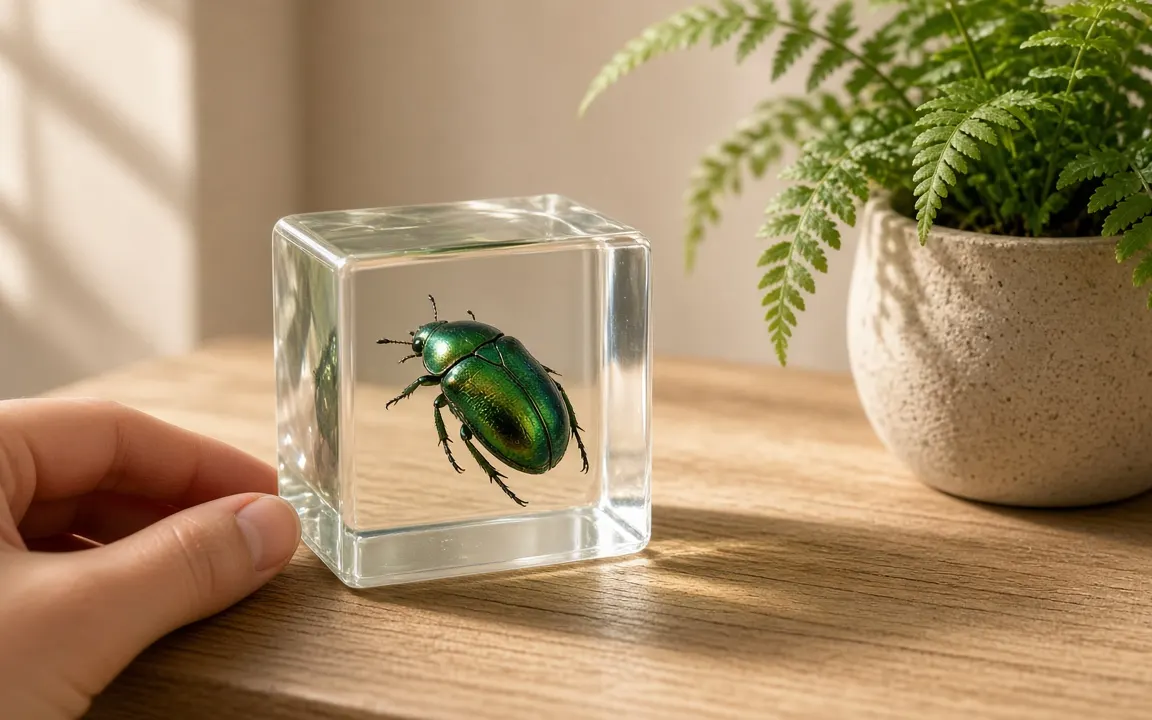
For invertebrates and very small animals, the memorial that works is often one you can see rather than one made from ashes. Resin and display cases suit spiders and beetles, freeze-drying suits gliders and hedgehogs (one US studio starts at USD 650[1] for pets under a pound), and a pinch of ash can go into glass.
By the Exotic Pet Cremation Services editorial team · Updated September 24, 2026 · 6 min read · Sources
- Which memorial works for which kind of body
- How to freeze your pet so an artist can use it later
- Real prices, wait times and questions for the artist
The short answer
Which memorial suits which kind of exotic pet?
Match the memorial to what your pet's body can actually become. An animal with an exoskeleton, like a tarantula, scorpion or beetle, can be dried and displayed almost exactly as it looked, but it leaves nothing after cremation. A small mammal like a sugar glider or hedgehog can be freeze-dried whole, or cremated for a few grams of ash. An axolotl or frog is mostly water, so both drying and cremation are harder, and a portrait or cast often means more.
| Your pet | Memorials that suit | Usually not practical |
|---|---|---|
| Tarantula, scorpion, mantis, beetle | Resin block, pinned display, framed last molt | Returned ashes (the chitin burns away) |
| Sugar glider, marmoset, short-tailed opossum | Freeze-drying, ash in glass or a pendant | A full-size urn (far too big) |
| African pygmy hedgehog | Freeze-drying, quill keepsake, small keepsake urn | Resin casting of the whole body |
| Axolotl, frog, salamander | Photo portrait, resin with a keepsake item, fluid preservation by a specialist | Freeze-drying at most studios |
| Skunk, wallaby, large bird | Private cremation with a full urn, taxidermy of a head or feathers | Whole-body resin |
None of these are rules. They're a starting point for a conversation with an artist, and a way to avoid paying for a process that can't give you what you picture. If you're still deciding between keeping your pet's form and cremating, our aftercare options comparison sets the choices side by side on price and time.
Have you thought about preservation instead of, or as well as, cremation?
Tap an answer to vote and see how others answered. Anonymous.
Do this first
How should you store your pet so an artist can still use the body?
Freeze promptly. Preservation artists would much rather work with a body frozen within hours than one kept in the fridge for three days, because decay starts from the inside and can't be reversed. Cremation-only plans can wait in the fridge, but any chance of preservation means the freezer.
- Position gently first. Curl a hedgehog or glider into a natural sleeping shape and tuck the tail or legs in. Once frozen, the pose is fixed. For a tarantula, leave the legs as they are; the artist will relax and reposition them.
- Wrap in paper towel, then seal. Use a zip bag and press out the air. Air in the bag causes freezer burn, which dries fur and skin unevenly.
- Add a second bag and a label. Write the species, your name and the date in marker on the outer bag.
- Keep it flat and away from the door. A chest freezer is steadier than a fridge-freezer that defrosts itself, but either works for weeks.
Our pre-planning checklist lists what to keep in a drawer before you need it: freezer bags, a marker and the number of a studio that has confirmed it takes your species.
Invertebrates
What do resin blocks and display cases involve for spiders and insects?
A spider or scorpion has to be dried before it can be set in resin, or it will rot inside the block and cloud it. Artists usually relax a frozen specimen, spread the legs, and dry it slowly over several weeks. Then it's cast in layers of clear resin, each one cured before the next is poured. Rush any step and you get bubbles, yellowing or a cracked block.
A pinned display in a shadow box or glass dome skips the resin. It shows more fine detail, like the hairs on a Mexican red-knee's legs, but it's more fragile and needs to stay out of direct sun and humidity. Many keepers already own the simplest display of all: a perfect shed molt, which can be framed without handling the body at all.
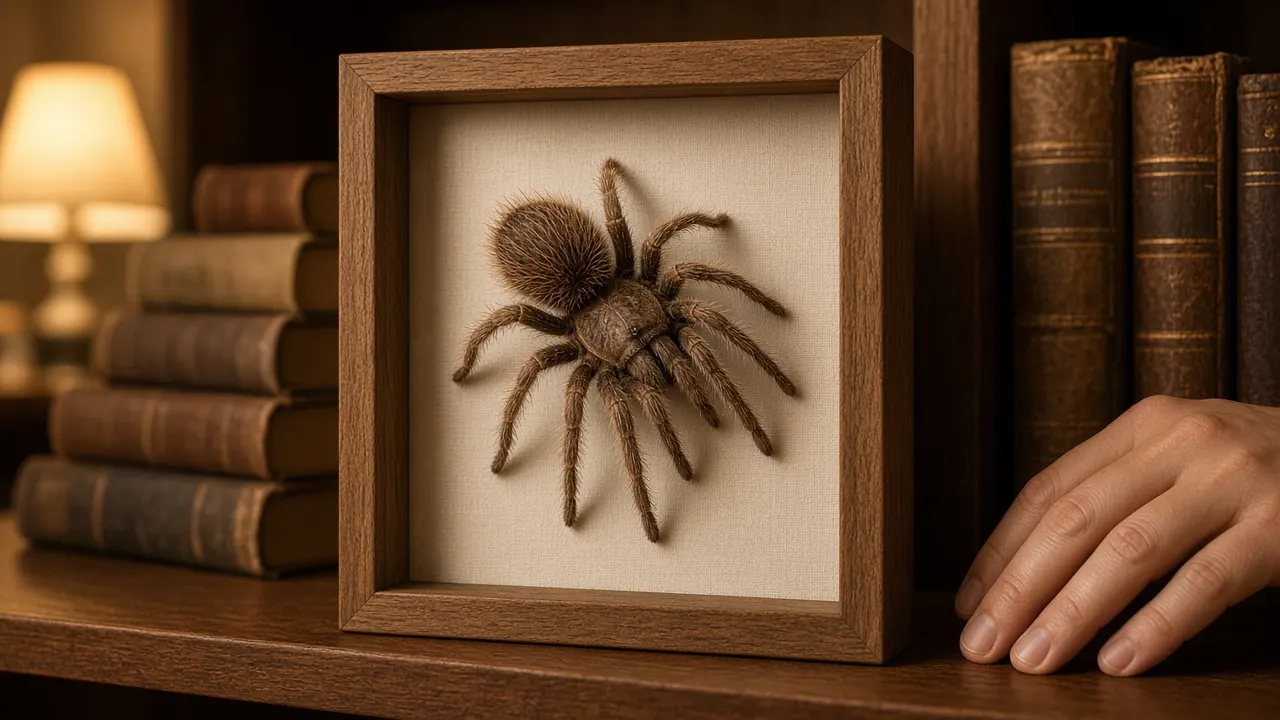
There is little published price data for invertebrate resin work, and prices vary with size and how much posing is involved. Ask for a written quote, a photo of a finished piece of the same species, and how long the drying takes before the pour. If you'd rather have the body cremated and keep the molt, read what happens during exotic pet cremation first; for a spider, very little comes back.
Small mammals
Is freeze-drying a good fit for a glider or hedgehog, and what does it cost?
Freeze-drying removes the water from a frozen body under vacuum, very slowly, so the shape and fur stay as they were. It suits small mammals well, because a glider or hedgehog can be posed curled up asleep. The machine time is the reason it's slow and expensive, not the artistry alone.
USD 650[1]
One U.S. pet preservation studio charges USD 650 to freeze-dry a pet under 1 lb, with a 4–6 month turnaround.
3–6 months (small pets)[2]
Freeze-dry preservation takes 3–6 months for small pets, 7+ months for large dogs and up to a year for very large animals.
One Ohio studio lists a hedgehog at about $950, and small birds and bearded dragons in the same range; across its exotic price list the spread is $650–$1,350[3]. Pets of one to two pounds cost more again, and the same studio's list runs $1,250–$2,095[4] for 1 to 6 lb. Waiting times of several months are normal, and some studios quote 6–12 months[5] for full taxidermy or freeze-drying when they're busy.
Hedgehogs raise one extra question: the quills. Ask the studio whether they have freeze-dried hedgehogs before and how they keep the quills from loosening. Ask the same about a glider's patagium, the thin gliding membrane between wrist and ankle, which can shrink as it dries. Use the memorial budget planner to see how freeze-drying fits next to a cremation and a keepsake.
Free tool
Memorial budget planner
Add up cremation, urn, keepsakes and a farewell so the total holds no surprises.
For budgeting, our estimate is that freeze-drying a cat or small dog costs about ten times a private cremation[6], and published studio prices for a hedgehog or small bird still run many times the cost of cremating one. Give the studio an accurate weight: the Merck Veterinary Manual's sugar glider overview and its hedgehog overview list typical adult sizes. Compare the options on our services page, or find a studio or crematory through your local page.
A pinch of ash
What can you make from a very small amount of ash?
More than people expect. Glass artists who fold ashes into paperweights, beads or pendants need only 1/8–1/2 tsp[7], which is within reach of a sugar glider's remains. Resin jewelers work with similar amounts. A hedgehog's tablespoon or two of ash can fill a small keepsake urn and still leave enough for a glass piece.
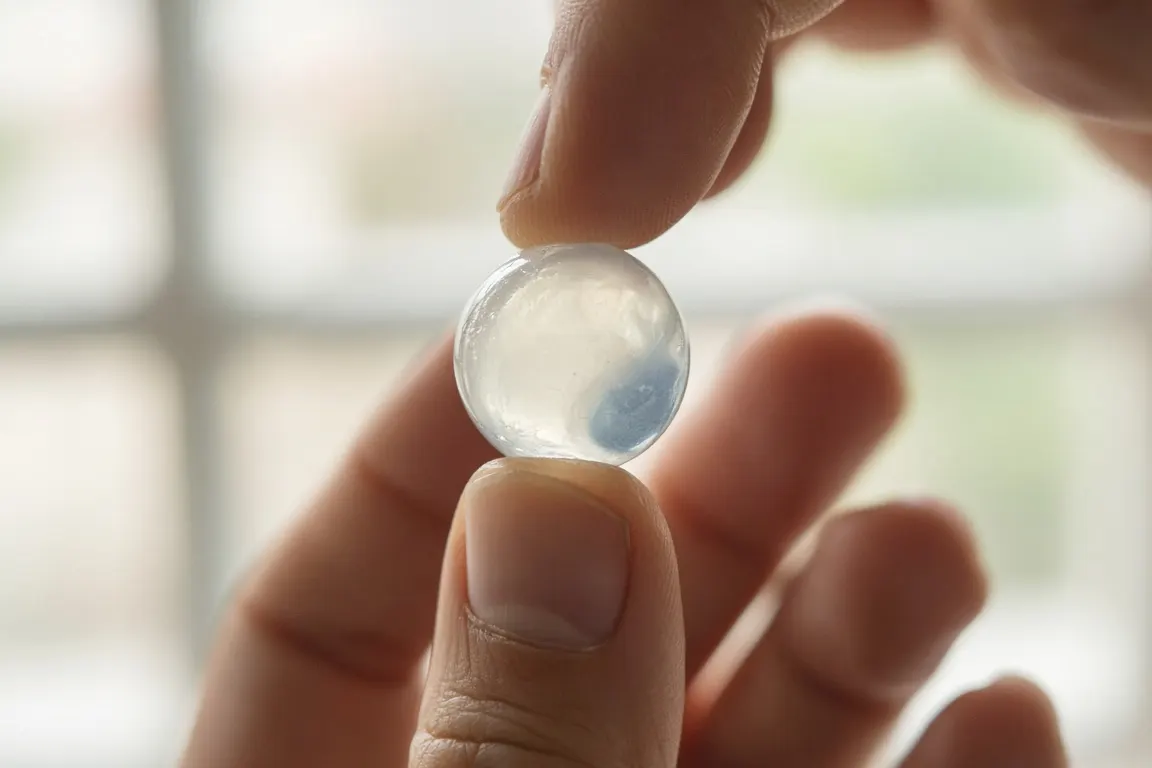
Glass studios typically ship finished pieces 2–8 weeks[8] after receiving the ashes. Before you post anything, ask how the studio labels each family's ashes, whether unused ash comes back to you, and whether you can approve a design before they start. Splitting a small amount between two or three memorials is easier with the ashes sharing planner, which shows how far a few grams will stretch.

Free tool
Ashes sharing planner
Split ashes fairly between family members, keepsake urns and jewelry.
Before you send anything
What should you ask a preservation artist before you commit?
- Have you worked with this species? Ask for photos of recent pieces, not just the studio's showcase dogs and cats.
- What condition does the body need to be in? Frozen within how many hours, bagged how, and is a necropsied body acceptable?
- How is my pet identified while you have it? A tag on the bag isn't enough for a body the size of your thumb.
- What's the full written price? Including shipping, posing, a base or dome, and any rush fee.
- What happens if it goes wrong? Resin can cloud and quills can shed. Ask what they do then.
- What comes back if I change my mind? Some steps, like drying, can't be undone.
Not every artist ships, and not every courier will carry a frozen animal. Our transport and logistics guide covers packing a frozen body for a long drive. If you'd like help finding studios, send us your pet's details and we'll check who takes your species.
The body is only ready for one path at a time. Decide on preservation before anyone lights a cremator.
A little of both
Can you combine preservation with cremation?
Not with the same body, but many keepers combine the two in other ways. You can keep a shed molt, a few quills, a feather or a lock of fur, and cremate the rest. You can have a large exotic's head or tail preserved by a taxidermist and the body cremated, though that needs careful coordination between two businesses and, for protected species, a check on the paperwork first.
Preservation is a small, specialist choice across all pets: ~7%[9] of owners choose taxidermy, by one market estimate. That doesn't make it odd for exotic keepers, who often kept their animal on display in life. If the animal is CITES-listed, like an axolotl or many primates, read our note on exotic pet aftercare and the law before keeping any part of it.
What would you most want to keep from your exotic pet?
Tap an answer to vote and see how others answered. Anonymous.

Reader polls
What would you choose?
Vote anonymously and see how other readers answered. The results are live counts from people who visit this site, so they show real opinions, not a scientific sample.
Have you thought about preservation instead of, or as well as, cremation?
Tap an answer to vote and see how others answered. Anonymous.
What would you most want to keep from your exotic pet?
Tap an answer to vote and see how others answered. Anonymous.
Which memorial feels most like your pet?
Tap an answer to vote and see how others answered. Anonymous.

Free tools to help you plan
Memorial budget planner
Add up cremation, urn, keepsakes and a farewell so the total holds no surprises.
Ashes sharing planner
Split ashes fairly between family members, keepsake urns and jewelry.

Aftercare options compared
Compare private, communal and water cremation with burial on cost, timing and what comes home.
Questions people ask
Can a tarantula be preserved in resin after it dies?
Yes, but it has to be dried first, which is why the process takes weeks. Freeze the spider promptly in a sealed bag, then send or take it to an artist who has cast tarantulas before. Resin poured over an undried body clouds and discolors as the tissue inside breaks down. A framed last molt is a simpler alternative that needs no preservation at all.
How much does it cost to freeze-dry a hedgehog?
Published prices are thin, but one Ohio studio lists about $950 for a hedgehog, rat or ferret, and another US studio starts at $650 for pets under a pound. Expect to add shipping, a base or display dome, and a wait of several months. Ask for the total in writing, and ask to see a hedgehog the studio has finished recently.
Is there enough ash from a sugar glider to make jewelry?
Usually, yes. A sugar glider leaves only a few grams of ash, but glass paperweights and beads use as little as an eighth of a teaspoon, and many resin pendants use a similar pinch. Tell the artist the exact amount you have before you post it, and ask whether any unused ash will be returned with the finished piece.
Can you freeze-dry an axolotl or frog?
Some specialists will try, but many freeze-dry studios decline amphibians because their bodies are so high in water that they shrink and distort as they dry. Fluid preservation in a sealed jar is another specialist option. Many keepers choose a photograph, a painted portrait or a small resin piece containing something from the tank instead, such as a stone or plant cutting.
Should I choose preservation or cremation for my exotic pet?
Think about how you'll feel seeing your pet's form every day. For some keepers, a curled-up hedgehog on a shelf is a comfort; for others it becomes hard to look at. Cremation gives you a small, private keepsake. Preservation costs several times more and takes months. Whichever way you lean, freeze the body until you've decided, because you can still cremate later but you can't preserve later.
What is a shed molt and can I keep it as a memorial?
Tarantulas, scorpions and many other invertebrates shed their whole exoskeleton as they grow, leaving a perfect hollow copy of themselves. Keepers often save the last one. Clean it gently with a soft brush, let it dry, and set it in a small shadow box or under a glass dome. It's light, lasting, and it needs no handling of the body.
Keep reading

Exotic pet aftercare services
Cremation, invertebrate memorials and preservation referrals explained.

Memorial ideas for exotic pets
Quills, molts, pouches and keepsakes that fit unusual companions.
Aftercare planning tools
Estimate ashes, costs and memorial budgets for your pet.

Ask us to find a studio
Tell us your species and we'll check who can help.
Sources and our estimates
- [1] One U.S. pet preservation studio charges USD 650 to freeze-dry a pet under 1 lb, with a 4–6 month turnaround. Animal Family Pet — Pet Preservation Pricing & Shipping, 2026.
- [2] Freeze-dry preservation takes 3–6 months for small pets, 7+ months for large dogs and up to a year for very large animals. Astute Analytica via GlobeNewswire — Global Pet Preservation Services Market to Hit USD 112.7 Million by 2032 (Apr 2, 2024), 2024.
- [3] Freeze-drying costs about $850 for a bearded dragon, $950 for a hedgehog, rat or ferret, and $650–$1,350 for a small bird at one Ohio studio. Animal Family Pet Preservation – Pricing, 2026.
- [4] An Ohio pet preservation studio charges $1,250 to freeze-dry a 1–2 lb pet and $2,095 for 2–6 lb, with 6–8 month turnaround. Animal Family Pet Preservation – Pricing, 2026.
- [5] Both traditional taxidermy and freeze-drying typically take 6–12 months, sometimes longer. Memorials.com – Pet Taxidermy Guide, 2025.
- [6] Freeze-drying a cat or small dog costs about 10 times a private cremation. Our estimate: midpoint freeze-dry $1,750 ($1,000–$2,500) / $175 (private cremation 3–24 lb, NC provider). How we calculate.
- [7] Ashes-in-glass pet memorials use only about 1/8 to 1/2 teaspoon of ashes. Funeral.com – Ashes in Glass for Pets, 2026.
- [8] Ashes-in-glass studios typically ship pieces 2–8 weeks after receiving the ashes. Funeral.com – Ashes in Glass for Pets, 2026.
- [9] About 7% of pet owners choose taxidermy, per Astute Analytica. Astute Analytica via GlobeNewswire — Global Pet Preservation Services Market to Hit USD 112.7 Million by 2032 (Apr 2, 2024), 2024.
Find a preservation or memorial artist
Tell us what you need and where you are. We'll reply by email with clear options and prices so you can decide in your own time.