Exotic pet aftercare and the law: permits, protected species and burial rules
For most sugar gliders, hedgehogs and tarantulas, cremating or burying your pet needs no paperwork at all. The rules start to matter when the species needed a permit in life, is protected under CITES, or when you want to keep part of the animal or move its remains across a border.
By the Exotic Pet Cremation Services editorial team · Updated September 24, 2026 · 6 min read · Sources
- Which exotic pets carry paperwork after death
- Burial, keepsakes and moving remains, explained plainly
- Exactly who to ask when you're not sure

The short answer
Do you need any paperwork when an exotic pet dies?
Usually not. If your pet was legal to keep without a permit, such as a sugar glider in most US states, an African pygmy hedgehog where they're allowed, or a captive-bred tarantula, you can arrange cremation or burial the same way a cat owner would. Nobody needs to be notified and no certificate is required.
Paperwork comes back into the picture in four situations: the animal was kept under a state or local permit; it's a species protected under CITES, the international treaty on trade in endangered wildlife; you want to keep a part of it, such as a skull, quills or feathers; or the remains will cross a border. This page explains each, in plain terms. It isn't legal advice, and the rules differ by state and country, so we'll tell you who to ask rather than guess.
Did your species need a permit or paperwork while alive?
Tap an answer to vote and see how others answered. Anonymous.
Permitted species
Should you tell the permit office that your pet has died?
Often, yes. Many US states and cities license exotic animals individually, and a permit tied to a named animal may carry a duty to report its death, or simply lapse at renewal if you don't. Check the permit itself first: the conditions are usually printed on it or in the letter that came with it. If they're silent, a short email to the issuing office with the date and cause of death, if known, keeps your record clean.
Keep the permit after the animal dies. A crematory may ask where a regulated species came from, and your records answer that in seconds. The US imported about 11 billion specimens[1] of wildlife over 14 years, much of it for the pet trade, which is why agencies take a paper trail seriously. Our pre-planning checklist suggests keeping permits, CITES papers and vet notes in one folder.
Protected species
What does CITES mean for axolotls, primates and other protected pets?
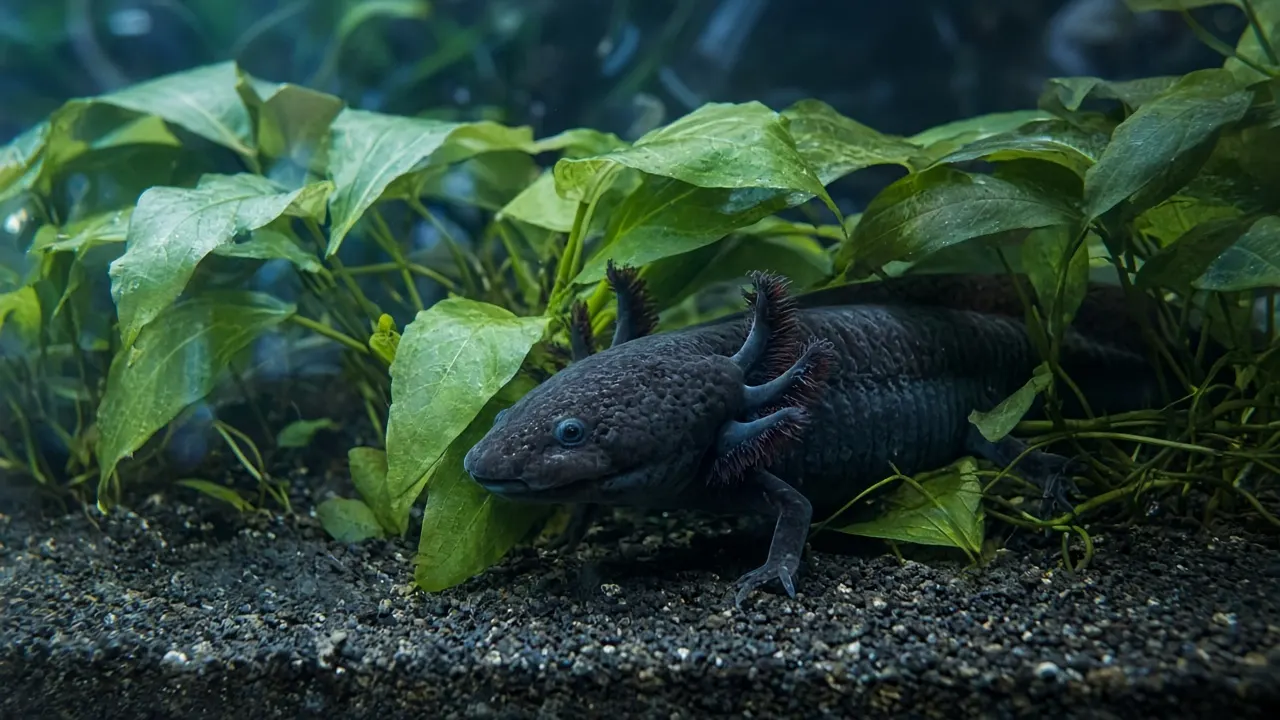
CITES controls the international trade in listed species and their parts. Axolotls, most primates, some birds and a number of reptiles and invertebrates are on its lists. Inside your own country, cremating a CITES-listed pet is normally just a cremation. The treaty bites when remains, or anything made from them, leave the country, and national laws built on it can also restrict selling or displaying parts.
- Keep the captive-bred certificate or import papers with your pet's records.
- Don't sell anything made from a protected animal, including a preserved body, without checking the rules first.
- Moving abroad with ashes or a preserved pet? Contact your national CITES authority before you book travel. In the US that's the Fish and Wildlife Service; in the UK, the Animal and Plant Health Agency.
- A provider asking questions is normal. A good crematory checks provenance for protected species; that's care, not suspicion.
Keepsakes
Can you legally keep quills, feathers or a skull?
For common, non-protected species, keeping a few hedgehog quills, a tarantula molt or a lock of a skunk's fur is entirely fine. For protected species, parts count as the animal in the eyes of many wildlife laws. Feathers from native birds, for example, are tightly controlled in the US even when the bird was a legally kept pet, and primate parts can raise both wildlife and health questions.
If you're planning a preserved head, a skull cleaned by a specialist, or feathers from a large bird, ask the preparer whether they need your permits, and ask the permit issuer whether keeping the part is allowed. Our guide to resin and display memorials covers the practical side once you know you can go ahead.
Home burial
Is it legal to bury an exotic pet in your garden?
In most places, burying a small pet on land you own is allowed, with conditions about depth and distance from water. In the US those rules are set by states, counties and cities, and they're rarely written with exotic animals in mind. Elsewhere they're more explicit: England sets no minimum for small pets buried at home but asks for at least 1 m[3] of soil over larger animals and clearance above the water table, while Germany requires at least 50 cm[4] of soil cover and bans burial in water- or nature-protection areas.
- Renting? Ask the landlord; you don't own the soil.
- Amphibians: bury well away from ponds, streams and drains. Chytrid fungus and ranavirus spread through water and can reach wild populations.
- Euthanized pets: the drug used can stay in the body and poison a scavenger that digs it up. Bury deep, cover with a paving slab, or choose cremation. Ask your vet what was used.
- Primates and large exotics: ask your vet about disease risk before burial; for a big animal, cremation is usually simpler.
Still weighing burial against cremation? The aftercare options comparison lays them out side by side on cost, time and what you keep.

Free tool
Aftercare options compared
Compare private, communal and water cremation with burial on cost, timing and what comes home.
If home burial isn't allowed where you live, a pet cemetery is the usual fallback; our estimate from five posted US price lists is a median of about $350 for a small pet's whole-body burial, plot included[5]. Where home burial is allowed, England's groundwater guidance for animal burials asks for at least 1 m between the bottom of the grave and the water table, and the drug-label warning summarized by Cornell's Waste Management Institute means a pet that was put to sleep needs a deep grave, not a shallow one. Our services page and your local page list the alternatives.
Your protection
What rules do pet crematories themselves have to follow?
Fewer than most people assume. In the US, one directory counts only 9 states[6] with laws written specifically for pet crematories, and as of April 2026 just 2 states[7], Illinois and Arizona, requiring written documentation to be given to the customer. In the UK, the trade association told regulators that pet cremation is an unregulated market[8], with inspections focused on emissions rather than how animals are treated.
9 states[6]
Nine US states have pet-crematory-specific licensing or consumer statutes: California, New York, Texas, Arizona, Virginia, Georgia, North Carolina, Maryland and Illinois.
2 states[7]
As of April 2026 only Illinois and Arizona mandated written documentation to consumers for pet cremation.
That doesn't mean providers are careless; many hold themselves to high standards. It does mean the protection is mostly what you ask for in writing: whether the cremation is private or communal, how your pet is identified, and what you'll get back. Our questions to ask a provider turns that into a short call, and the private vs communal explainer covers the wording to watch.
Where the law says little, a written description of what you paid for is the protection that counts.
Getting an answer
Who should you ask when you're not sure what's allowed?
| Your question | Ask first | Then, if needed |
|---|---|---|
| Do I report the death? | The office that issued your permit | Your state wildlife agency |
| Can I keep a part of a protected animal? | Your permit issuer | National CITES authority |
| Can I take ashes or a preserved pet abroad? | National CITES authority | The destination country's agency |
| Can I bury my pet at home? | Your city or county | Your landlord or homeowners' association |
| Was there a disease risk? | Your exotic vet | State veterinarian's office |

If you'd like, send us your pet's details and mention any permit. We can't give legal advice, but we will look for providers used to handling that species and tell you what they ask for. You can also read more about how we research the rules and prices we publish.

Reader polls
What would you choose?
Vote anonymously and see how other readers answered. The results are live counts from people who visit this site, so they show real opinions, not a scientific sample.
Did your species need a permit or paperwork while alive?
Tap an answer to vote and see how others answered. Anonymous.
If you had to decide today, which aftercare would you choose for your pet?
Tap an answer to vote and see how others answered. Anonymous.

Questions people ask
Do I need a permit to cremate my sugar glider or hedgehog?
No. Cremation itself doesn't need a permit for species that were legal to keep without one. If you live somewhere that requires a license for gliders or hedgehogs, keep that license with your records, and check whether the issuing office wants to be told about the death. The crematory may ask a few questions, but no special paperwork is involved.
Can I take my axolotl's ashes with me if I move abroad?
Possibly, but check before you pack. Axolotls are listed under CITES, and some countries treat the remains of listed species, including ashes, as covered by the treaty. Contact your national CITES authority and ask what, if anything, is needed for that specific destination. Carry the captive-bred certificate and cremation certificate together in your hand luggage.
Is it illegal to keep feathers from my pet bird?
It depends on the species. Feathers from common pet species are generally fine to keep. Feathers from native wild birds, and from some protected exotic species, are restricted in many countries even when the bird was lawfully kept. If your bird was a large or unusual species, ask the agency that issued any permit before you keep feathers or have them made into a keepsake.
What happens if my exotic pet dies of a disease that could spread?
Talk to your vet before arranging aftercare. For most diseases, cremation removes the risk and nothing else is needed. A few conditions, particularly in primates or in animals imported recently, may have to be reported, and the vet will know. Keep other animals of the same species apart, and wash hands and tools well, until you have an answer.
Can a crematory refuse to take a protected or permitted species?
Yes. Private businesses can decline animals they're not comfortable handling, and some do refuse primates, venomous species or anything with complicated paperwork. It isn't a judgment on you. Ask your exotic vet who they use, or send us the details and we'll look for a provider who has handled that species before.
Do I need to keep records after my exotic pet is cremated?
Keeping them is sensible, even when nothing requires it. Store the permit, any CITES or captive-bred certificate, the cremation certificate and the final vet notes together. They answer questions if you ever move ashes abroad, apply for a new permit, or want to show a future breeder or vet your history with the species.


Sources and our estimates
- [1] From 2000-2013 the U.S. imported about 11 billion wildlife specimens; tropical fish were 25% of specimens and one-third of shipments contained live animals, mostly for the aquatic and pet industries. Smith KM et al. Summarizing US Wildlife Trade with an Eye Toward Assessing the Risk of Infectious Disease Introduction. EcoHealth, 2017 (PMID 28176029), 2017.
- [2] Florida's Exotic Pet Amnesty Program lets owners rehome prohibited or conditional exotic species for free year-round; red-eared sliders are the most rehomed animal. Florida Fish and Wildlife Conservation Commission - Exotic Pet Amnesty Program.
- [3] England's groundwater guidance asks for at least 1 m of clearance between the bottom of the burial hole and the water table, and at least 1 m of soil over the carcass, for larger animals and other animal burials; it sets no minimum requirements for small pets such as a dog or cat buried on your own land. GOV.UK (Environment Agency) - Animal burials: prevent groundwater pollution, 2024.
- [4] German home burial of pets requires at least 50 cm of soil cover and is not permitted in water- or nature-protection areas. deine-tierwelt.de - Tierbestattung: Diese Moeglichkeiten gibt es und das kosten sie (Nov 2023), 2023.
- [5] Across five posted US pet-cemetery price lists, the median whole-body burial for a small pet, including plot and opening/closing, was about $350. Our estimate: median of [Rainier $150 plot incl. first burial, Cedar Bend $290, Forest $350, Great River $750, Precious Memories $1,500]. How we calculate.
- [6] Nine US states have pet-crematory-specific licensing or consumer statutes: California, New York, Texas, Arizona, Virginia, Georgia, North Carolina, Maryland and Illinois. FindPetCremations - Pet Cremation Laws & Regulations by State (2026), 2026.
- [7] As of April 2026 only Illinois and Arizona mandated written documentation to consumers for pet cremation. FindPetCremations - Pet Cremation Laws & Regulations by State (2026), 2026.
- [8] The APPCC told the CMA that pet cremation in the UK is an unregulated market, with APHA inspections concerned only with basic incineration. Association of Private Pet Cemeteries and Crematoria (APPCC) - response to CMA consultation on market investigation reference (2024), 2024.
Get aftercare options that fit your paperwork
Tell us what you need and where you are. We'll reply by email with clear options and prices so you can decide in your own time.