The exotic pet aftercare checklist: what to set up before you need it
Set up three things now: a small storage kit in a drawer, the phone number of a provider who has already said yes to your species, and a folder with your pet's papers. A sugar glider can live 9-12 years[1], so there's time, but most exotic deaths still come as a surprise.
By the Exotic Pet Cremation Services editorial team · Updated September 24, 2026 · 5 min read · Sources
- A ten-minute kit you can put together today
- The calls to make while your pet is well
- A one-page card for whoever is home when it happens

The short answer
Why is a checklist worth doing while your pet is healthy?
Because the hard part of exotic aftercare isn't the cost, it's the phone calls. A dog owner can ring almost any pet crematory at 9 pm and get a yes. A hedgehog or tarantula keeper may ring three places and hear three hesitations, while a small body sits on the kitchen counter. Doing that research now, on a calm afternoon, takes the worst of it away. Our article on how to find a crematory for exotic pets suggests who to ask.
Exotic animals also hide illness well, and many are small enough that the end comes within a day or two of the first sign. Hedgehogs, for example, typically live 4-6 years[2], and more than 80%[3] of the tumors reported in them are malignant, mostly in animals over three years old. This checklist is about the practical kit and papers. The bigger decisions, like preservation, necropsy and budget, are covered in pre-planning exotic pet aftercare.
Today
What goes in an exotic pet aftercare kit?
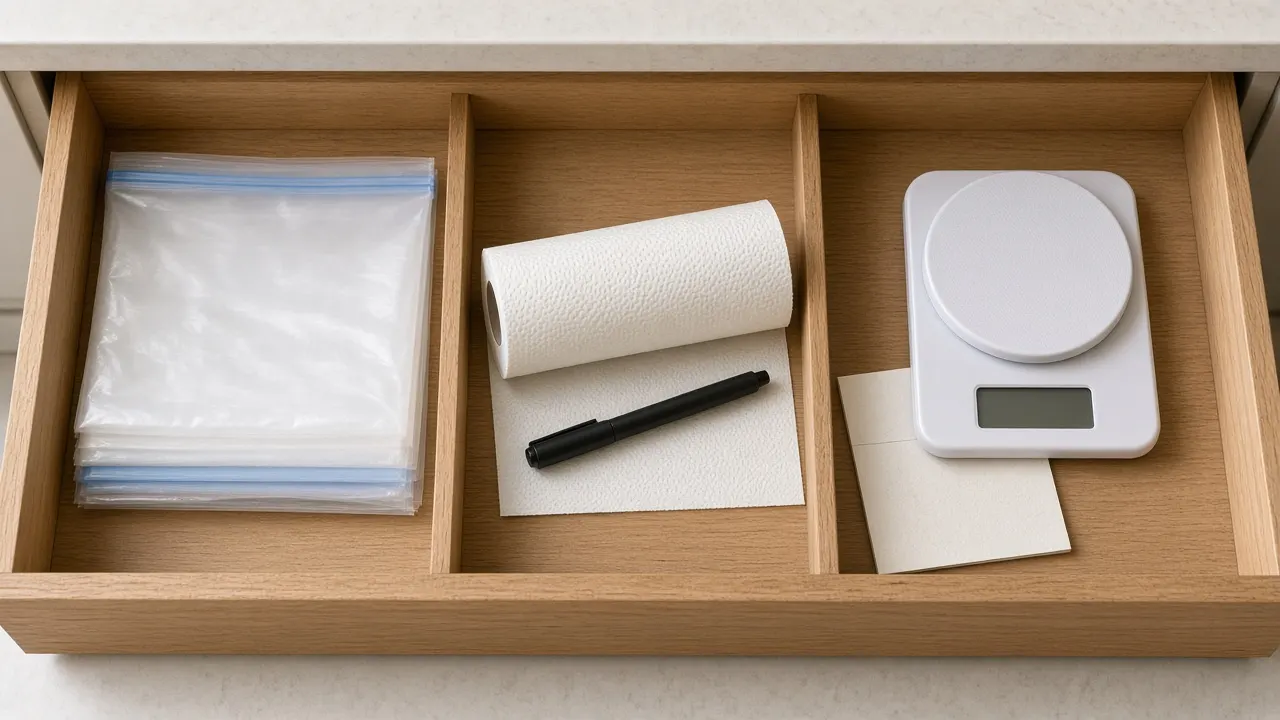
Keep these together in one drawer or box, labelled so someone else in the house can find it. It costs almost nothing and most of it is already in your kitchen.
- Zip bags in two sizes, sandwich and gallon. Two of each, because you double-bag.
- Paper towels or a soft cloth to wrap your pet before bagging.
- A permanent marker for the species, your name and the date.
- Disposable gloves, essential for amphibians and for tarantulas, whose irritating hairs can come off on your hands.
- A small digital kitchen scale reading in grams. Weight is the first thing a crematory or studio will ask.
- A small cardboard box that fits your pet lying naturally, for the trip to the vet.
- For large exotics: a tarp or old duvet, a tape measure, and the name of someone strong enough to help lift.
This month
Which phone numbers should you have before you need them?
Write four numbers on a card and put a copy in your phone. Call each one now and ask the question you'd otherwise be asking in tears.
- Your exotic vet, and whether they hold bodies for collection and for how long.
- An emergency or after-hours vet that sees your species. Many don't. Ask directly.
- A crematory that has confirmed it takes your species and size, with the name of the person you spoke to and the price they gave.
- A backup: a second crematory, a preservation studio, or a vet school pathology service if you'd want a necropsy.
Our questions to ask an exotic pet cremation provider tells you what to ask on that call. If you'd rather not ring round yourself, tell us your species and area and we'll check for you.
How far is your nearest vet who treats your species?
Tap an answer to vote and see how others answered. Anonymous.
This month
What should be in your pet's paperwork folder?
A single folder, paper or digital, saves a lot of searching. Some exotic species needed a permit to keep, and the paperwork doesn't stop mattering when the animal dies. Put in:
- Any state, local or national keeping permit, with its number and the issuing office's contact details.
- CITES documents or captive-bred certificates for protected species such as axolotls and many primates.
- The purchase or adoption record, with the breeder's details. Some breeders like to know, and some keep health records by bloodline.
- Vet records, especially the last visit and any diagnosis.
- A species card: common and scientific name, date of birth or hatching, sex, last weight. Our species card guide has a template.
- Your written wishes: private or communal cremation, preservation, necropsy, what you want back.
If you're not sure whether your permit issuer expects to be told about a death, or whether you can keep quills or feathers from a protected animal, our guide to exotic pet aftercare and the law explains who to ask.
As your pet ages
What should you add to the plan once your pet is getting older?
Exotic lifespans vary so much that "older" is hard to judge by eye. A glider at eight is a senior; a tarantula at eight may be middle-aged. The pet age calculator puts your animal's age against its species' typical lifespan so you know which stage you're in.

Free tool
Pet age & senior years calculator
Convert your pet's age and see when senior-care and planning conversations usually start.
- Get a firm price. Ask your chosen crematory for a written quote now and set that amount aside. The cremation cost calculator gives a fair range to compare against.
- Decide about preservation. If you might want freeze-drying, find the studio now; waiting lists can be long.
- Talk to your vet about the end. Where would a euthanasia happen, and can they come to you? Our article on quality of life and saying goodbye covers the signs to watch.
- Plan for cagemates. Gliders and some other exotics live in colonies. Decide whether a survivor will need a new companion and who to ask.

Free tool
Cremation cost calculator
Estimate a realistic price range for your pet's size, location and the type of cremation.
Put timing costs in the plan too. At one North Carolina provider, our calculation shows a weekend rush cremation costing six times the weekday rush fee[4], so decide in advance whether you'd be comfortable waiting until Monday. For hedgehogs, add a note once your pet passes 3: the Merck Veterinary Manual reports that more than 80% of hedgehog tumors are malignant and most appear after that age. Keep a grief line on the card as well, such as Tufts' free Pet Loss Support Helpline. Review options on our services page and see how other keepers planned on the poll results page.
The day it happens
What goes on the one-page card for the day it happens?
Write a short card for whoever might be home: a partner, a teenager, a pet sitter. It should let them do the right thing without calling you mid-flight. Keep it next to the kit.
- Check gently for breathing and movement for a few minutes. Tarantulas lying on their backs are often molting, not dead; leave them alone.
- Put on gloves. Wrap the body in paper towel and seal it in a zip bag, then a second one. Amphibians go in a bag, never in a tub of tank water.
- Fridge or freezer? Write your choice here in advance: fridge if you want a necropsy, freezer if you want preservation, either for cremation.
- Wash hands and tools before touching any other animal of the same species.
- Call the numbers on the contacts card, in order.

The kindest thing you can leave for the worst night is a list someone else can follow.
Once a year
How often should you check the plan is still right?
Once a year is enough, and your pet's hatch or adoption day is an easy reminder. Ring your chosen crematory to confirm they still take your species; staff change, and a provider who said yes last year may have a new owner. Replace any bags that have split, and update the weight card.
Prices move too. US pet services prices were 42%[5] higher in April 2025 than in 2019, so an old quote may be well out of date. And if you've moved house, start the contacts card again from scratch: the locations directory shows how rules and willingness differ by state and country.
Would you pre-pay for aftercare while your pet is still healthy?
Tap an answer to vote and see how others answered. Anonymous.

Reader polls
What would you choose?
Vote anonymously and see how other readers answered. The results are live counts from people who visit this site, so they show real opinions, not a scientific sample.
How far is your nearest vet who treats your species?
Tap an answer to vote and see how others answered. Anonymous.
Would you pre-pay for aftercare while your pet is still healthy?
Tap an answer to vote and see how others answered. Anonymous.
When did you (or will you) decide on aftercare?
Tap an answer to vote and see how others answered. Anonymous.
Questions people ask
What should I do first if my exotic pet dies unexpectedly at night?
Wait a few minutes and check gently, because some species, especially tarantulas and hibernating hedgehogs, can look dead when they aren't. Then wrap your pet in paper towel, seal it in two zip bags and label them. Put the bag in the fridge if you might want a necropsy, or the freezer if you might want preservation. Nothing else needs doing before morning.
How long can I keep a small exotic pet in the freezer before cremation?
Weeks, and often months, if the body is well sealed with the air pressed out. Freezer burn is the main risk, and it matters only if you want preservation. For cremation alone, a frozen glider or hedgehog kept in a chest freezer can wait until you've found the right provider. Tell the crematory it's frozen so they can plan.
Do I need to keep my exotic pet's permit after it dies?
Yes, keep it. A crematory may ask where a protected species came from, a permit office may expect to be told about the death, and you'll need the records if you want to keep any part of the animal or move remains abroad. File the permit, CITES papers and purchase record together in the same folder as your pet's vet notes.
Is it worth calling a crematory before my pet is ill?
Yes. It's the single most useful step on this list. You'll find out calmly whether they take your species, what they'd charge, whether they collect, and whether they use a tray for very small bodies. If they hesitate, you have time to find someone else. Write down the name of the person you spoke to and the date.
What if I keep a colony of sugar gliders or several hedgehogs?
Plan for the survivors as well as the one who dies. Keep gloves and cleaning supplies in the kit, and write on the card that hands and tools must be washed before going back to the others. Ask your vet now whether they'd recommend a necropsy after any unexplained death in the group, since it can reveal a problem the others share.
Keep reading

Pre-planning decisions and costs
Preservation, necropsy, insurance and who decides.

Exotic-friendly providers by area
How rules, prices and willingness vary where you live.

Planning tools
Age, cost and ashes calculators for unusual species.

Have us check providers
We'll email who near you takes your species.
Sources and our estimates
- [1] Pet sugar gliders live about 9-12 years; adults weigh about 85-170 g. Merck Veterinary Manual - Table: Sugar Gliders at a Glance.
- [2] African pygmy hedgehogs live an average of 4-6 years; adult males weigh 400-600 g and females 300-400 g. Merck Veterinary Manual - Overview of Hedgehogs.
- [3] More than 80% of tumors reported in pet hedgehogs are malignant; most are found in hedgehogs over 3 years old. Merck Veterinary Manual - Diseases of Hedgehogs.
- [4] Weekend rush cremation costs 6 times the weekday rush fee at one North Carolina provider. Our estimate: $300 / $50. How we calculate.
- [5] US pet services prices (including vet bills) were 42% higher in April 2025 than in 2019, versus a 22% rise for pet food; pet services inflation was 4.6% year on year. Bank of America Institute - Best in show: US pet ownership (27 May 2025), 2025.
Line up an exotic-friendly provider now
Tell us what you need and where you are. We'll reply by email with clear options and prices so you can decide in your own time.