What to tell a crematory about your exotic pet: the species card
Give a provider eight facts up front: species (common and scientific name), weight, length, how the body is stored, how your pet died, any disease concern, any permit, and what you want back. With those, a crematory can tell you honestly whether it can help, and what will come home.
By the Exotic Pet Cremation Services editorial team · Updated September 24, 2026 · 5 min read · Sources
- A fill-in card you can copy onto your phone
- Why each detail changes the provider's answer
- Worked examples for a hedgehog, an axolotl and a wallaby
The short answer
Why does a crematory need so much detail about an exotic pet?
Because "a small pet" could mean a 90-gram sugar glider or a 40-pound wallaby, and those need completely different handling. Most pet crematories spend their days on dogs and cats: dogs alone account for 60.1%[1] of pet funeral revenue by one market estimate, and cats most of the rest. When you describe an unusual animal clearly, you turn a hesitant "I'm not sure" into a clear yes or a helpful no.
A good description also protects you. It lets the provider tell you, before you pay, whether anything will come back, whether they need you to deliver, and whether any paperwork is involved. This page is about what you tell them. For the questions to ask in return, see questions to ask an exotic pet cremation provider.
Has a pet crematory ever hesitated over, or turned down, your species?
Tap an answer to vote and see how others answered. Anonymous.
Copy this
What goes on an exotic pet species card?
- Species, common and scientific name. "African pygmy hedgehog, Atelerix albiventris" removes all doubt, including whether it's a protected animal.
- Weight, in grams or pounds, from a kitchen or bathroom scale.
- Length, nose to tail tip, for anything bigger than a cat. Long tails and legs matter as much as weight.
- How the body is stored now: fridge, freezer, or at the vet, and since when.
- How your pet died: naturally, euthanized, or after surgery or a necropsy.
- Any disease concern: a diagnosis, a sudden unexplained death, or a species with known risks to people or wildlife.
- Permit or CITES status, and whether you have the papers.
- What you want back: all the ashes, a keepsake amount, nothing, or a preserved body instead.

Keep a copy in your phone as well as on paper. Our pre-planning checklist suggests filing it with your pet's permits and vet notes, so it's ready long before you need it.
Behind each line
How does each detail change what the provider can offer?
Weight sets the price band and predicts the ashes. Cremated remains usually weigh about 3-5% of body weight[2], so a 400 g hedgehog leaves roughly 12 to 20 grams. For animals with light skeletons, like amphibians, expect less; for invertebrates, usually nothing. The ashes weight estimator runs that sum for your pet and adjusts for body type.

Free tool
Ashes weight estimator
See roughly how much ash to expect back, by species and body weight.
Storage tells them how to plan. A frozen body needs time to thaw before cremation, and a very small frozen animal is easier to transport. Cause of death matters because euthanasia drugs, surgical implants and an opened body after necropsy each change handling slightly. Disease concerns let them protect their staff; primates and some imported animals can carry infections that affect people.
Length is the line people forget. A wallaby's tail or an emu's legs may not fit a chamber built for a curled-up dog without positioning that feels undignified. Tell them, and a provider can say whether they have the space or know someone who does.
Weight changes the price less than you might think. Our calculation from US price bands is that private cremation costs roughly $9 a pound for a 15 lb pet and about $4 a pound at 60 lb[3], so a light animal mostly pays the minimum fee. Species and handling notes matter more. A ferret, which the Merck Veterinary Manual puts at about 1.2 kg for females and 2 kg for males, is routine for most crematories, while a card for a frog or axolotl should flag the hygiene precautions in the CDC's reptile and amphibian guidance. Our services page shows which options suit which card, your local page shows who's nearby, and the poll results show what other keepers shared.
Worked example
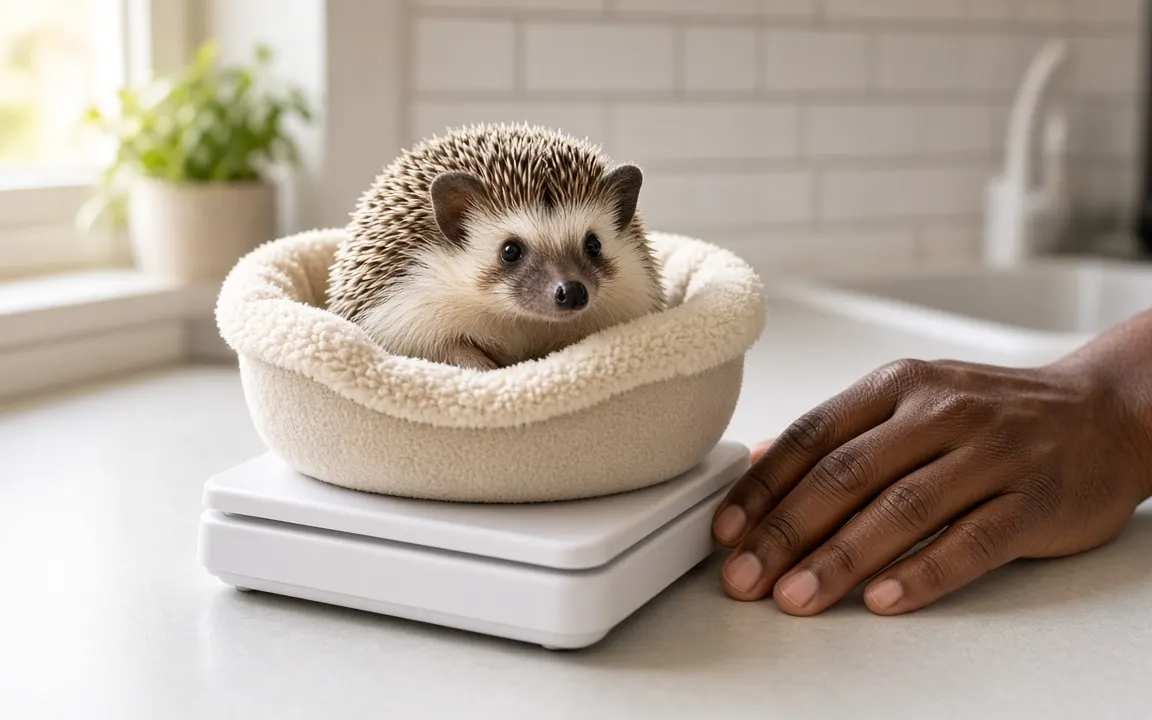
What does a finished card look like for a hedgehog?
| Line | What to write |
|---|---|
| Species | African pygmy hedgehog (Atelerix albiventris) |
| Weight / length | 410 g, about 7 in curled |
| Storage | Fridge since last night; can freeze if needed |
| How he died | Euthanized at the vet after a tumor diagnosis |
| Disease concern | None infectious |
| Permit | Not required in our state |
| Wanted back | All ashes, small keepsake urn; would like a few quills first |
From that, a provider knows at once that this is a private cremation in their smallest band, that a tray will be needed to collect a tablespoon or so of ash, and that you'll need a keepsake container rather than a standard urn. Hedgehogs typically live 4-6 years[4], and tumors are a common reason for euthanasia in older animals, so this card is a very ordinary one for a crematory to receive.
Worked example
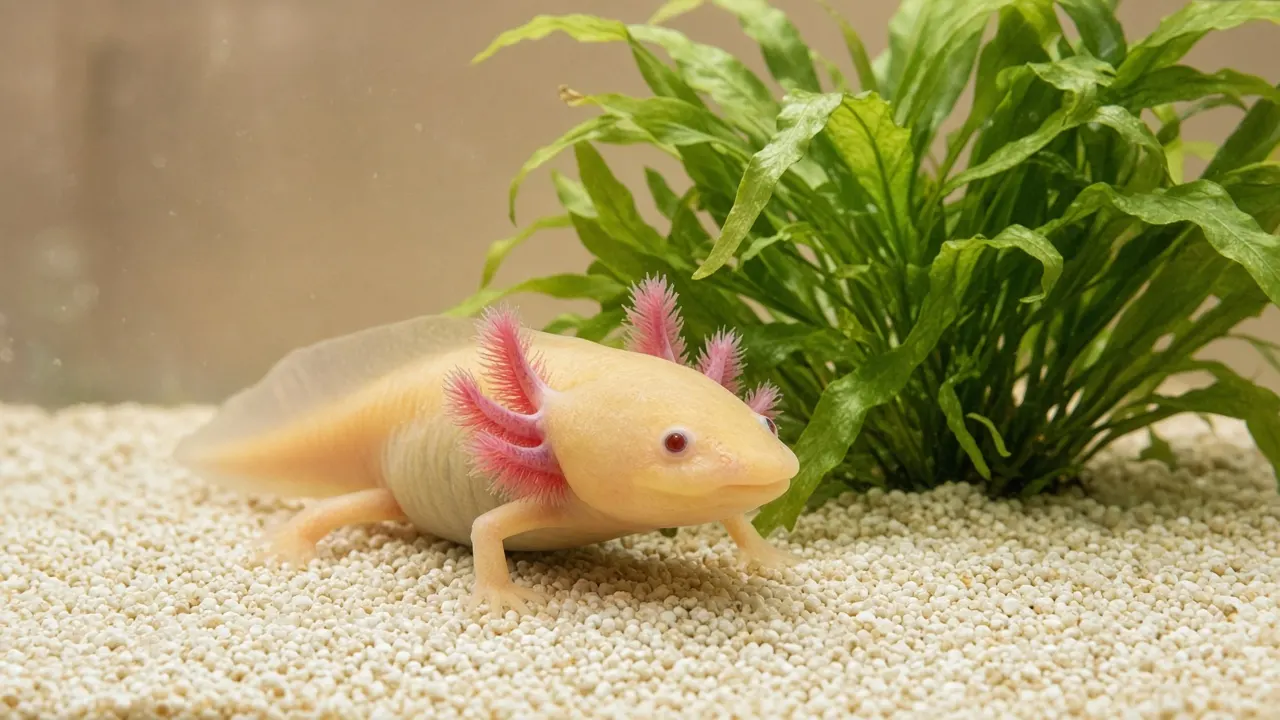
How would you describe an axolotl or other amphibian?
| Line | What to write |
|---|---|
| Species | Axolotl (Ambystoma mexicanum), leucistic |
| Weight / length | 140 g, 9 in |
| Storage | Sealed in two bags in the fridge, no tank water |
| How she died | Found dead; stopped eating a week before |
| Disease concern | Unknown; other axolotls in the house |
| Permit | Captive-bred certificate kept; CITES-listed species |
| Wanted back | Whatever there is, even if it's very little |
That last line matters most. An axolotl is mostly water with a delicate skeleton, and a provider may return only a gram or two, sometimes almost nothing visible. By telling them you understand that, you invite an honest answer rather than a sales pitch. The line about other axolotls also prompts a sensible question: would a necropsy help protect the ones you still have?
Worked example
What changes when the animal is large, like a wallaby?
| Line | What to write |
|---|---|
| Species | Bennett's wallaby (Notamacropus rufogriseus) |
| Weight / length | About 38 lb; 5 ft including tail |
| Storage | Covered in the barn, cool; can't fit a freezer |
| How he died | Euthanized on site by our vet |
| Disease concern | None known |
| Permit | County exotic animal permit, copy attached |
| Wanted back | All ashes; we can deliver if collection isn't possible |
Here the provider's questions are practical: can their vehicle and staff lift the animal, does the chamber take the full length, and how soon can they come, given there's no freezer. A commercial cremator handles roughly 250 lb/hour[5], so the cremation itself isn't the problem; access and timing are. Offering to deliver, and saying how many people can help lift, often turns a maybe into a yes.
Next steps
What should you expect back once you've shared the card?
A clear reply that says yes or no, what the price includes, and what you'll receive. Families often don't get that as standard: in a UK regulator's survey, only 47%[6] of cremation buyers recalled being told about the range of options available. A detailed card makes it easy for a provider to give you the full picture, and easy for you to spot one who doesn't.
Once you know roughly how much ash to expect, the urn size calculator will point you towards a container that fits; for most small exotics that's a keepsake size, not a standard urn. For the prices themselves, our guide to comparing exotic pet cremation quotes shows which lines to check.

Free tool
Urn size calculator
Find the urn volume you need from your pet's weight, plus keepsake and sharing options.
If you'd rather not make the calls, send us the card through the form above. We'll check which providers near you take your species and reply by email. You can read how that works on our about page.

Reader polls
What would you choose?
Vote anonymously and see how other readers answered. The results are live counts from people who visit this site, so they show real opinions, not a scientific sample.
Which unusual companion are you planning for, or saying goodbye to?
Tap an answer to vote and see how others answered. Anonymous.
Has a pet crematory ever hesitated over, or turned down, your species?
Tap an answer to vote and see how others answered. Anonymous.
Did you (or would you) compare more than one provider?
Tap an answer to vote and see how others answered. Anonymous.

Questions people ask
Why does a crematory ask for my pet's scientific name?
Common names can be vague. "Hedgehog" might mean an African pygmy hedgehog kept as a pet or a wild European hedgehog found injured, and the rules and handling differ. The scientific name also shows at a glance whether the species is protected under CITES, so the provider knows whether to ask about paperwork. If you don't know it, your breeder or vet records usually will.
Do I have to tell a crematory my pet was euthanized?
It helps, and there's nothing to be uneasy about. Euthanasia doesn't change whether an animal can be cremated, but some providers note it in their records, and it matters if you later decide on burial instead, because the drugs can harm scavengers. It also tells them the body has been handled by a vet, which often simplifies collection.
What if I don't know exactly what my pet weighed?
Give your closest estimate and say it's an estimate. Weigh the body on a kitchen scale in its bag if you can, then subtract a few grams for the bag. For larger animals, a bathroom scale works: weigh yourself holding the animal, then yourself alone. Weight sets the price band and helps the provider predict the ashes, so a rough figure is far better than none.
Should I mention that other animals in my house have the same species?
Yes. It doesn't change the cremation, but it tells the provider or your vet that a necropsy might be worth considering, especially after a sudden death. Knowing whether a death was infectious can protect the rest of a sugar glider colony or a group of axolotls. It also reminds everyone to keep bags, gloves and tools separate from your other animals.
What if the crematory still says no after seeing the card?
Ask them who they would send you to. Providers who decline unusual species often know one who doesn't. Your exotic vet is the next call, since clinics usually know which crematory has handled their patients before. You can also send us the card and we'll look for a provider who has taken that species or size.


Sources and our estimates
- [1] Dogs accounted for an estimated 60.1% of pet funeral services revenue in 2024, cats 33.7% and other pets 6.2% (Market.us). Market.us — Pet Funeral Services Market report page, 2024.
- [2] Embrace notes cremated remains typically weigh about 3-5% of the pet's original body weight. Embrace Pet Insurance - Bury or Cremate Your Dog? Costs, Pros & Cons, 2025.
- [3] Private cremation cost per pound falls with size in the US: roughly $9.2/lb for a 15 lb pet, $4.2/lb at 60 lb and about $4.0/lb at 100 lb. Our estimate: band midpoint price / representative weight: 0-30 lb (midpoint $137.50 / 15 lb) = $9.17/lb; 51-70 lb ($250 / 60 lb) = $4.17/lb; over 90 lb ($400 / ~100 lb) = $4.00/lb. How we calculate.
- [4] African pygmy hedgehogs live an average of 4-6 years; adult males weigh 400-600 g and females 300-400 g. Merck Veterinary Manual - Overview of Hedgehogs.
- [5] A commercial pet crematory rated for 1,000 lb loads cremates at an average of about 250 lb per hour (manufacturer specification). B&L Cremation Systems (manufacturer) - BLP-1000 Pet Crematory specifications.
- [6] Fewer than half (47%) of UK cremation buyers recalled being told about a range of options, including communal cremation or home burial. UK Competition and Markets Authority - Veterinary services for household pets, Provisional decision report Part A (Oct 2025), 2025.
Send us your pet's species card
Tell us what you need and where you are. We'll reply by email with clear options and prices so you can decide in your own time.