Hedgehogs, gliders, axolotls and more: cremation in Albuquerque
Keepers of unusual pets in Albuquerque often hear 'we don't do those' first. Here's how to find a yes, what it should cost and what will realistically come home.
- Providers who accept your species
- Honest answers on tiny amounts of ash
- Help with necropsy and permit questions
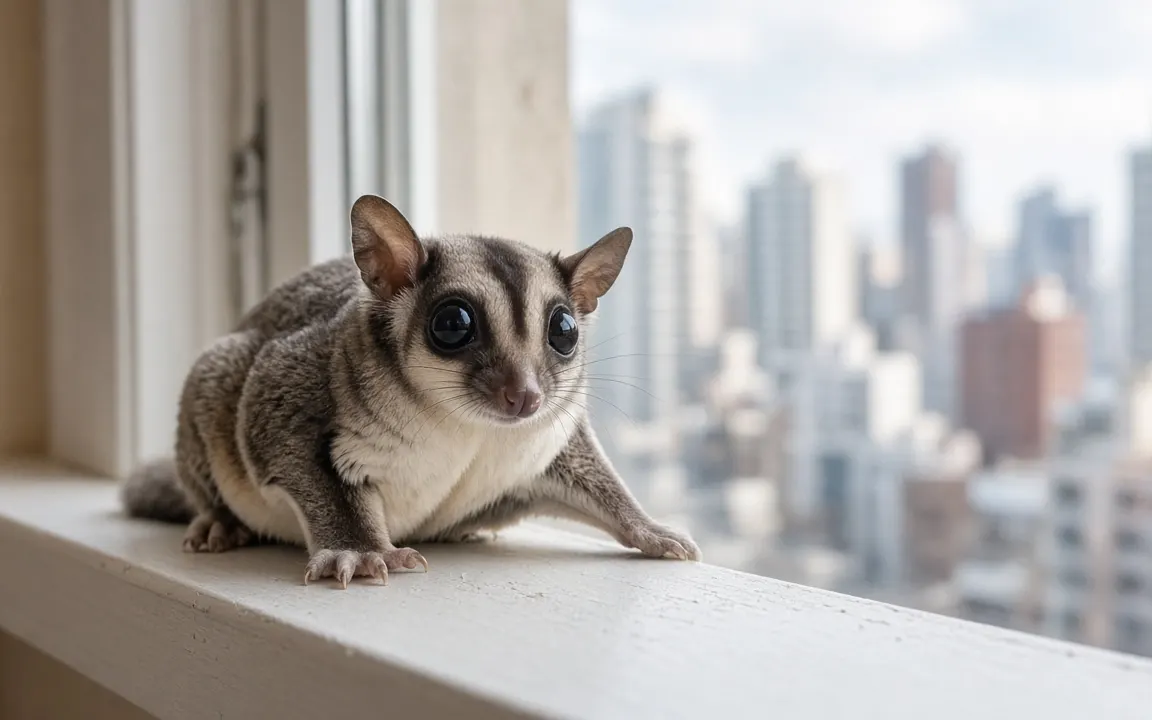
Albuquerque, New Mexico
Who handles exotic species near Albuquerque, and how to reach them
At around 5,000 feet, Albuquerque is dry and sunny, with July highs near 91°F, cold winter nights that dip below freezing and big swings between day and night. In summer, move your pet into the coolest room, lay them on a towel and use ice packs straight away. Hard, rocky caliche soil and winter frost can make digging a backyard grave far harder than people expect, which pushes many families toward cremation.
Albuquerque spreads across a wide valley, from adobe and stucco homes near Old Town and the North Valley to newer subdivisions on the West Side mesa and the foothills below the Sandias, and crossing town can take a while. The city's solid-waste rules say a deceased animal must not go in a trash cart or bag, and point residents to Animal Control for instructions. For a private goodbye, most families arrange cremation with collection from home.
Exotic keepers in a large city like Albuquerque usually have more than one option for the unusual extras: water cremation (aquamation), freeze-drying studios, resin artists who work with invertebrates and taxidermists who accept small mammals. That's worth knowing before you book a cremation, because preservation and cremation can't both happen to the same body. Decide which matters more, then call.
About 556,588 people live in Albuquerque, which makes it the largest of the 11 New Mexico communities we cover.
The closest communities we cover are Rio Rancho (15 miles), Los Lunas (22 miles) and Santa Fe (56 miles). Providers serving those towns often travel to Albuquerque too, so it can be worth asking them for a quote.
70.5%[1]
The NFDA projected New Mexico's cremation rate at 70.5% for 2024.
9-12 years[2]
Pet sugar gliders live about 9-12 years; adults weigh about 85-170 g.
4-6 years[3]
African pygmy hedgehogs live an average of 4-6 years; adult males weigh 400-600 g and females 300-400 g.
3-5% of body weight[4]
Embrace notes cremated remains typically weigh about 3-5% of the pet's original body weight.
Where these figures come from: Merck Veterinary Manual and Merck Veterinary Manual.
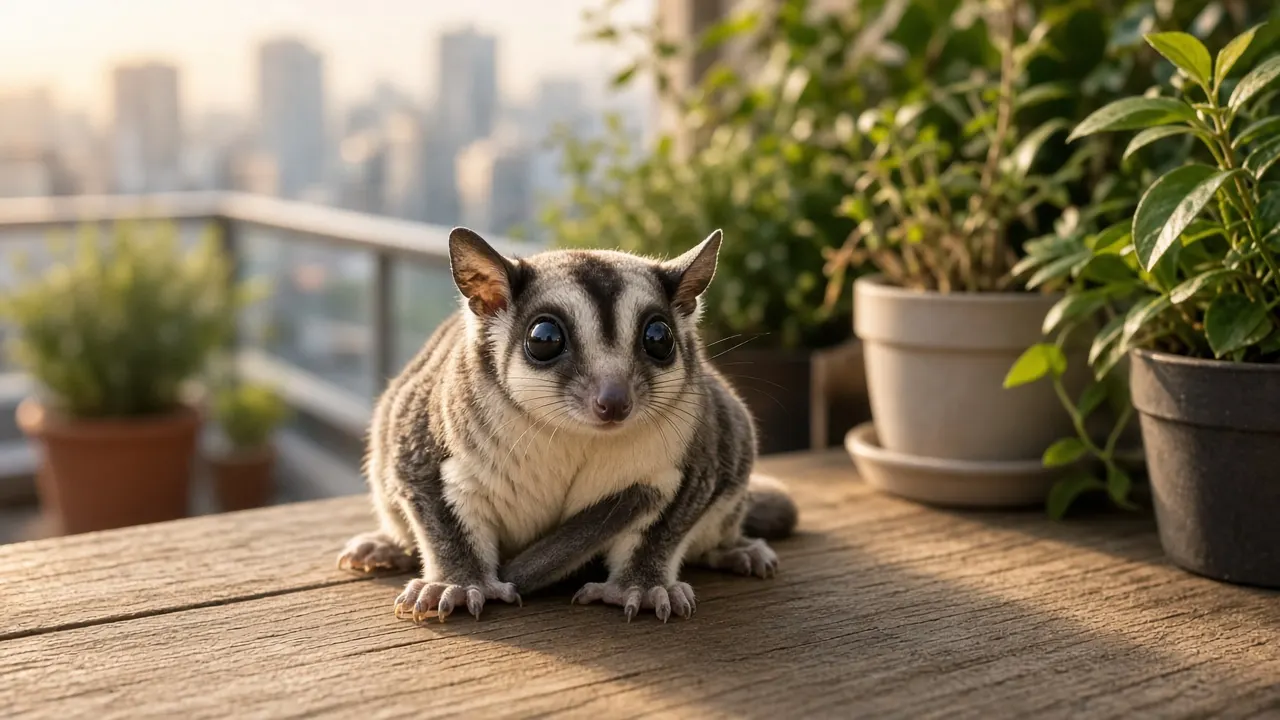
Cremation habits in New Mexico, and what they mean for keepers
With cremation at roughly 70.5%[1] for people in New Mexico, pet providers here often sell bundles built around a cat or dog: a wooden urn, a paw print, a certificate. For an exotic pet, parts of that bundle may not fit. A glider's paw print is barely visible, and a standard urn dwarfs a hedgehog's remains. Ask whether you can drop the items you won't use and pay only for the cremation and a small container.
We take the New Mexico rate from NFDA 2024 Cremation & Burial Report state projections (via Occasional Sage) (2024). It is a human statistic; there is no equivalent pet figure for Albuquerque, and we would rather show a real number than invent one.
Seasons in Albuquerque and the first hours after a loss
With seasons as wide as Albuquerque's, keep a small loss kit ready all year: zip-seal bags, a marker, paper towels, gloves and a cool box. In July it saves minutes when minutes matter; in January, February and December it means you're not hunting for supplies during a power cut. Keepers with several animals often tape the vet's out-of-hours number inside the lid.
Weather also affects preservation. Freeze-dry studios and taxidermists prefer bodies frozen promptly, and in an Albuquerque summer that means within an hour or two. In winter, don't be tempted to leave a body in a cold garage: temperatures swing, and a thawed-and-refrozen body is harder to preserve well.
What exotic pet cremation costs in Albuquerque
Few Albuquerque keepers have insurance that helps here. One pet insurer says standard policies usually cover euthanasia for a covered illness but not cremation[5], and many don't insure exotic species at all. If you do have an exotic policy, read the end-of-life section before you book; otherwise, plan to pay yourself, and use the memorial budget planner to keep the extras in proportion.
The New Mexico price table breaks costs down by size; our services page explains what sits behind each line.

Free tool
Cremation cost calculator
Estimate a realistic price range for your pet's size, location and the type of cremation.
What New Mexico expects after an exotic pet dies
Most of the decisions after an exotic pet dies are yours to make. The exceptions are burial, which New Mexico and your local authority may regulate, and paperwork for species that were permitted, licensed or protected. Keep any permit, purchase record or CITES certificate together before you call a provider; our notes on disclosure for unusual companions explain what they may ask.
City of Albuquerque Solid Waste Management publishes Albuquerque's official guidance. Note that it deals with public collection, not with booking a private cremation.
For New Mexico's rules on burying a pet at home or scattering ashes, see the New Mexico guide. Local rules in Albuquerque can be stricter than the state's, especially in homeowners' associations and rentals.
The first day, step by step
- Move your pet out of the enclosure into a clean, sealed bag. Leave heating and lighting running for any tank-mates.
- Label the bag with the species, weight, date and your name.
- If anyone was bitten or scratched recently, say so to the vet before you book any cremation, because tests might have to come first.
- Store the body: fridge if a necropsy will happen in the next day or two, freezer if it'll be longer.
- Check your paperwork if the species needed a permit or CITES records, and whether you need to report the death.
- Book the cremation once you've found a provider who's confident with the species, and ask for a certificate naming it.
Ways to remember them that fit the species
The Rio Grande bosque, the open space trails along the Sandia foothills and the volcanic escarpment on the West Side are Albuquerque's favorite outdoor places, and the big sky and mountain views shape how many families feel about remembering a pet. New Mexico's human cremation rate is around 70 percent, and pet cremation with ashes returned is common. Some families keep ashes at home; others take a little to a place with a view.
look through our guides and the blog, or compare your instinct with the poll results, try the free planning tools, Every option Albuquerque families choose between is on the services page. More local pages: Clovis, Rio Rancho, Las Cruces and Santa Fe, the New Mexico overview and every city in the United States.

Reader polls
What would you choose?
Vote anonymously and see how other readers answered. The results are live counts from people who visit this site, so they show real opinions, not a scientific sample.
If your pet is very small, what matters most about the ashes?
Tap an answer to vote and see how others answered. Anonymous.
Has a pet crematory ever hesitated over, or turned down, your species?
Tap an answer to vote and see how others answered. Anonymous.
If you had to decide today, which aftercare would you choose for your pet?
Tap an answer to vote and see how others answered. Anonymous.

Free tools to help you plan
Cremation cost calculator
Estimate a realistic price range for your pet's size, location and the type of cremation.

Ashes weight estimator
See roughly how much ash to expect back, by species and body weight.

Aftercare options compared
Compare private, communal and water cremation with burial on cost, timing and what comes home.
Questions people ask
Is cremation common in New Mexico?
For people, yes: about 70.5%[1] of New Mexico deaths end in cremation, according to NFDA 2024 Cremation & Burial Report state projections (via Occasional Sage) (2024). Nobody publishes the same figure for pets, but in our experience pet choices in Albuquerque follow the human pattern closely, so cremation is the default most families here start from.
When is the hardest time of year to arrange a burial in Albuquerque?
January, February and December: average lows are below freezing then, and frozen ground makes a home grave slow or impossible until it thaws. The other pressure point is July, when highs around 91°F mean a body needs cooling and collecting quickly.
Which nearby towns can I compare with Albuquerque?
The closest communities we cover are Rio Rancho (about 15 miles), Los Lunas (about 22 miles) and Santa Fe (about 56 miles). Providers based in those places often serve Albuquerque too. Ask each one for a written total that includes collection, so the distance is priced in.
What if a crematory in Albuquerque refuses my species?
It happens, usually because the provider isn't sure what will remain or whether paperwork applies. Ask your exotics vet which crematory they use for unusual patients, or try a provider in Las Cruces. Small exotics travel easily frozen in a cool box. You can also send us your pet's details and we'll check with providers for you.
Do tarantulas and other invertebrates leave ashes?
Usually not in any meaningful amount. Invertebrates have an exoskeleton made of chitin rather than bone, and it burns away almost completely. Many keepers choose a resin piece, a display case or a framed molt instead. If individual cremation matters to you for its meaning, ask the provider to tell you honestly what, if anything, will come back.
Can I take my exotic pet's body across state lines for cremation?
For common species like hedgehogs or gliders, driving to a crematory in a neighbouring state is usually fine. For regulated animals, such as primates or anything held under a state permit, check with the wildlife agencies in both states first. Keep the body sealed and cool, and carry your paperwork.


Sources and our estimates
- [1] The NFDA projected New Mexico's cremation rate at 70.5% for 2024. NFDA 2024 Cremation & Burial Report state projections (via Occasional Sage), 2024.
- [2] Pet sugar gliders live about 9-12 years; adults weigh about 85-170 g. Merck Veterinary Manual - Table: Sugar Gliders at a Glance.
- [3] African pygmy hedgehogs live an average of 4-6 years; adult males weigh 400-600 g and females 300-400 g. Merck Veterinary Manual - Overview of Hedgehogs.
- [4] Embrace notes cremated remains typically weigh about 3-5% of the pet's original body weight. Embrace Pet Insurance - Bury or Cremate Your Dog? Costs, Pros & Cons, 2025.
- [5] Embrace says standard pet insurance typically does not cover cremation, while euthanasia can be covered if medically necessary for a covered condition; cremation is an eligible expense under its optional Wellness Rewards. Embrace Pet Insurance - Bury or Cremate Your Dog? Costs, Pros & Cons, 2025.
- [6] Private pet aquamation costs about 2.5 times communal aquamation at the same provider. Our estimate: mean of tier ratios 150/50, 200/75, 250/100, 350/150, 450/225. How we calculate.
Get Albuquerque prices for your unusual pet
Tell us what you need and where you are. We'll reply by email with clear options and prices so you can decide in your own time.