Saying goodbye to an exotic pet in Wichita
Finding someone in Wichita who will cremate a hedgehog, a tarantula or a wallaby can take more than one call. Here's what it costs, what to ask and what to do with your pet in the meantime.
- Fridge or freezer advice for Wichita
- Written prices for small and large exotics
- Pickup from your home or exotics vet
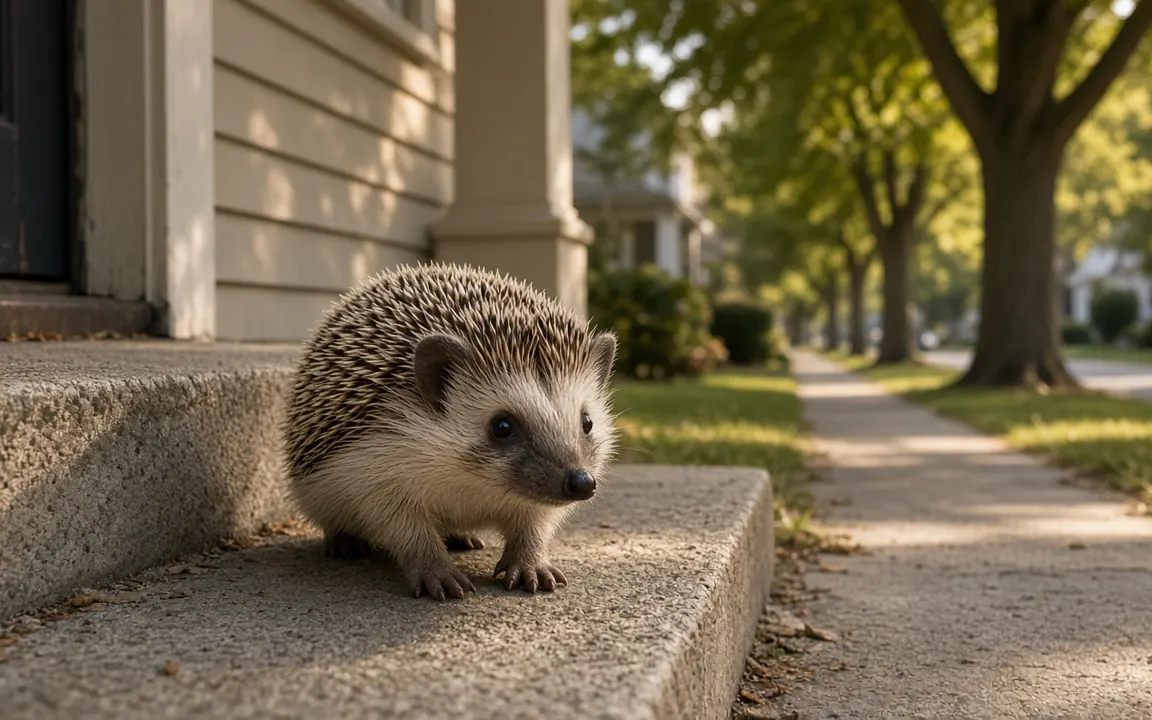
Wichita, Kansas
Getting help with an unusual pet around Wichita
Wichita is a spread-out city of single-family homes with yards, from older neighborhoods like College Hill and Riverside to newer suburbs on the east and west sides, with apartments in between. Distances are manageable, but homes on the edges may have long driveways or gates, so give your full address and access details when you ask for options. Many local vets arrange cremation.
Wichita summers are hot, with July highs in the low 90s, and the Kansas wind rarely stops. When a pet dies during a hot spell, keep them cool indoors with ice packs on a hard floor. Spring brings severe storms and tornado warnings, which can delay a collection, and a cool room at home is fine in the meantime while you wait for the weather to pass.
If your exotic pet was put to sleep at a clinic in Wichita, remember that the euthanasia drug stays in the body. A fox, raccoon or neighbor's dog that digs up a small grave can be poisoned by it, which is one reason vets in mid-sized places often steer families toward cremation. If you still prefer burial at home, protect the spot with a paving slab or a heavy planter, and keep it well away from any vegetable bed.
With roughly 400,987 residents, Wichita is the largest of the 23 Kansas communities we cover.
The closest communities we cover are Derby (10 miles), Newton (24 miles) and Hutchinson (41 miles). Providers serving those towns often travel to Wichita too, so it can be worth asking them for a quote.
64.6%[1]
The NFDA projected Kansas's cremation rate at 64.6% for 2024.
9-12 years[2]
Pet sugar gliders live about 9-12 years; adults weigh about 85-170 g.
4-6 years[3]
African pygmy hedgehogs live an average of 4-6 years; adult males weigh 400-600 g and females 300-400 g.
3-5% of body weight[4]
Embrace notes cremated remains typically weigh about 3-5% of the pet's original body weight.
None of the figures on this this page are ours alone: they rest on Embrace Pet Insurance and Merck Veterinary Manual.

How Kansas thinks about cremation
With cremation now the choice for roughly 64.6%[1] of the population of Kansas, most vets here have a standing arrangement with one pet crematory. That's convenient, but the provider was probably chosen for dogs and cats, not for your axolotl. It's fine to ask the clinic whether that crematory has handled your species before, and to make your own arrangements if the answer is vague.
Source for the Kansas number: NFDA 2024 Cremation & Burial Report state projections (via Occasional Sage) (2024). Nobody publishes a pet cremation rate for Wichita, so the human figure is the best local signal available.
Seasons in Wichita and the first hours after a loss
With seasons as wide as Wichita's, keep a small loss kit ready all year: zip-seal bags, a marker, paper towels, gloves and a cool box. In July it saves minutes when minutes matter; in January, February and December it means you're not hunting for supplies during a power cut. Keepers with several animals often tape the vet's out-of-hours number inside the lid.
Plan the practical steps around the weather: in hot months, go straight to the vet or crematory with your pet chilled in a cool box; in winter, check the roads before a long drive. A small exotic can wait safely in the freezer through a heatwave or a storm, so you never have to rush a decision because of the forecast.

Wichita prices: what you pay for, and what you can skip
Few Wichita keepers have insurance that helps here. One pet insurer says standard policies usually cover euthanasia for a covered illness but not cremation[5], and many don't insure exotic species at all. If you do have an exotic policy, read the end-of-life section before you book; otherwise, plan to pay yourself, and use the memorial budget planner to keep the extras in proportion.
The full price table by size is on our Kansas page, and the services page explains what each option includes.

Free tool
Cremation cost calculator
Estimate a realistic price range for your pet's size, location and the type of cremation.
Rules and paperwork in Kansas
Most of the decisions after an exotic pet dies are yours to make. The exceptions are burial, which Kansas and your local authority may regulate, and paperwork for species that were permitted, licensed or protected. Keep any permit, purchase record or CITES certificate together before you call a provider; our notes on disclosure for unusual companions explain what they may ask.
Wichita Police Department, Policy 530 publishes Wichita's official guidance. Note that it deals with public collection, not with booking a private cremation. To find your county or city office in Kansas, start with the official Kansas local government directory.
For Kansas's rules on burying a pet at home or scattering ashes, see the Kansas guide. Local rules in Wichita can be stricter than the state's, especially in homeowners' associations and rentals.
A practical checklist for Wichita keepers
- Choose the provider before the appointment. Check two things: that they accept your species, and that your vet can pass your pet to them straight afterwards.
- Ask the vet how it works for a small exotic. Because the veins are so tiny, many vets give gas or an injection to sedate first; hearing that beforehand takes some of the fear out of the day.
- Decide whether you'll stay. Many keepers do. Bring the pouch, nest box or hide your pet sleeps in so they're settled.
- Say what you'd like kept: a few quills, a clip of fur, or a paw print if the feet are big enough to show one.
- Write clear instructions on the release form: the species, individual cremation, and that the remains come back to you.
- Ask for an itemized receipt from both the vet and the provider.
- Plan something gentle for afterwards. Coming home to an empty enclosure is hard. Some people clean it out the same evening; others can't face it for a few days.
Memorials that suit an unusual companion
Winters in Wichita can be cold, with January lows in the low 20s and hard freezes, so the ground may be too frozen for a backyard burial until spring. Many families choose cremation for that reason, or because they may not stay at their address long term. Ask about individual cremation with ashes returned if you want to keep your pet's ashes.
look through our guides and the blog, See what each option includes on our services page, run the numbers with the free planning tools, or see how other readers answered in our polls. Close to Wichita we also cover Topeka, Lawrence, Olathe and Kansas City; the full list for Kansas and for the United States is a click away.

Reader polls
What would you choose?
Vote anonymously and see how other readers answered. The results are live counts from people who visit this site, so they show real opinions, not a scientific sample.
Has a pet crematory ever hesitated over, or turned down, your species?
Tap an answer to vote and see how others answered. Anonymous.
If your pet is very small, what matters most about the ashes?
Tap an answer to vote and see how others answered. Anonymous.
If you had to decide today, which aftercare would you choose for your pet?
Tap an answer to vote and see how others answered. Anonymous.

Free tools to help you plan
Cremation cost calculator
Estimate a realistic price range for your pet's size, location and the type of cremation.

Ashes weight estimator
See roughly how much ash to expect back, by species and body weight.

Aftercare options compared
Compare private, communal and water cremation with burial on cost, timing and what comes home.
Questions people ask
Is cremation common in Kansas?
For people, yes: about 64.6%[1] of Kansas deaths end in cremation, according to NFDA 2024 Cremation & Burial Report state projections (via Occasional Sage) (2024). Nobody publishes the same figure for pets, but in our experience pet choices in Wichita follow the human pattern closely, so cremation is the default most families here start from.
How does Wichita's weather affect exotic pet aftercare?
July is the hottest month in Wichita, with average highs around 93°F, so prompt collection matters most then. Average lows drop below freezing in January, February and December, which can make digging a grave hard until spring.
Can a provider from a neighbouring town collect from Wichita?
Usually yes. Derby is about 10 miles away, Newton is about 24 miles away and Hutchinson is about 41 miles away, all inside a normal collection radius. Get the mileage written into the quote so there is no surprise on the day.
Do tarantulas and other invertebrates leave ashes?
Usually not in any meaningful amount. Invertebrates have an exoskeleton made of chitin rather than bone, and it burns away almost completely. Many keepers choose a resin piece, a display case or a framed molt instead. If individual cremation matters to you for its meaning, ask the provider to tell you honestly what, if anything, will come back.
Where can I get a necropsy for an exotic pet near Wichita?
Start with the vet who treated your pet. Exotics practices in a city like Wichita often do necropsies in-house or send the body to a veterinary diagnostic laboratory. Refrigerate, don't freeze, and call the same day. Ask for the fee in writing and ask the vet to release your pet to your chosen crematory afterwards.
Is exotic pet cremation common in Kansas?
For people, about 64.6%[1] of deaths in Kansas end in cremation, which means crematories are familiar and generally easy to find. Exotic pets are a small share of any crematory's work, though, so experience with your species still varies provider by provider. Asking the right questions matters more than the local rate.


Sources and our estimates
- [1] The NFDA projected Kansas's cremation rate at 64.6% for 2024. NFDA 2024 Cremation & Burial Report state projections (via Occasional Sage), 2024.
- [2] Pet sugar gliders live about 9-12 years; adults weigh about 85-170 g. Merck Veterinary Manual - Table: Sugar Gliders at a Glance.
- [3] African pygmy hedgehogs live an average of 4-6 years; adult males weigh 400-600 g and females 300-400 g. Merck Veterinary Manual - Overview of Hedgehogs.
- [4] Embrace notes cremated remains typically weigh about 3-5% of the pet's original body weight. Embrace Pet Insurance - Bury or Cremate Your Dog? Costs, Pros & Cons, 2025.
- [5] Embrace says standard pet insurance typically does not cover cremation, while euthanasia can be covered if medically necessary for a covered condition; cremation is an eligible expense under its optional Wellness Rewards. Embrace Pet Insurance - Bury or Cremate Your Dog? Costs, Pros & Cons, 2025.
- [6] Published ashes-return times across the network's markets range from same-day (paid express) to about 4 weeks; a conservative typical window is 3-14 days. Our estimate: min/max across sources: Lambeth 3 days; US 5-10 days; RSPCA QLD within 14 days; AniCura Sweden 2-4 weeks. How we calculate.
Ask us to check providers near Wichita
Tell us what you need and where you are. We'll reply by email with clear options and prices so you can decide in your own time.