Saying goodbye to an exotic pet in Onalaska
Finding someone in Onalaska who will cremate a hedgehog, a tarantula or a wallaby can take more than one call. Here's what it costs, what to ask and what to do with your pet in the meantime.
- Wallabies and other large exotics too
- Paperwork for protected species
- Keepsakes that suit very small pets
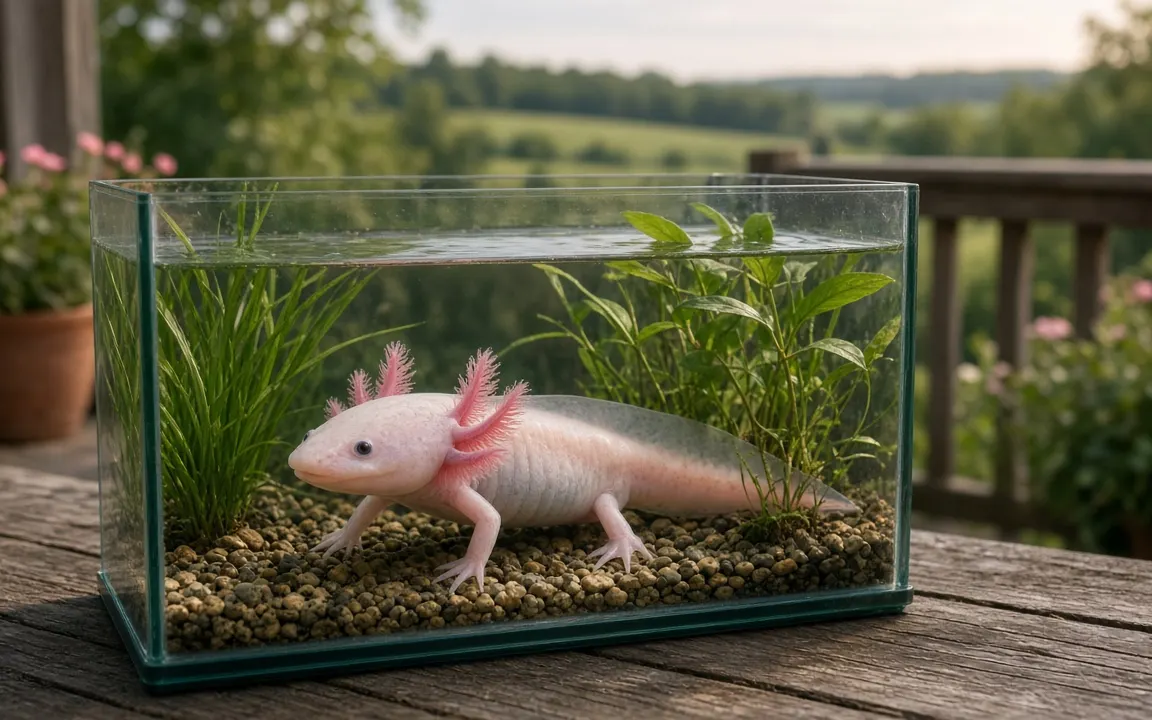
Onalaska, Wisconsin
Getting help with an unusual pet around Onalaska
Summers in the Mississippi valley run warmer than much of Wisconsin, peaking around 85F in July with sticky nights near the water. On such days, an air-conditioned room is the right place for the body, and a provider should be reached before evening. Winter is another world: January lows near 11F and ice fishermen out on the backwaters. In those months a bundled body stored in a cold shed keeps well enough until clinics open.
Onalaska sits on the bluffs just north of La Crosse, looking out over Lake Onalaska, a wide Mississippi backwater that gave the city its nickname as the Sunfish Capital. Homes range from older houses near the shore to newer subdivisions working up toward the ridges and apartments along the commercial strip. La Crosse clinics and emergency hospitals are next door, and La Crescent, Minnesota is a short hop over the river.
In a small community like Onalaska, a child's hedgehog or axolotl may be the only one they know of, and the loss can feel lonely for them. Involving them helps: let them choose a small item to go with their pet, decorate the box or pick where the keepsake will sit. If the cremation is done regionally and takes a week or two, tell them roughly when their pet will come home, so the wait has an end.
With roughly 20,297 residents, Onalaska is the 41st-largest of the 50 Wisconsin communities we cover.
The closest communities we cover are La Crosse (5 miles, a larger centre), Winona (26 miles) and Rochester (64 miles, a larger centre). Providers serving those towns often travel to Onalaska too, so it can be worth asking them for a quote.
70.7%[1]
The NFDA projected Wisconsin's cremation rate at 70.7% for 2024.
9-12 years[2]
Pet sugar gliders live about 9-12 years; adults weigh about 85-170 g.
4-6 years[3]
African pygmy hedgehogs live an average of 4-6 years; adult males weigh 400-600 g and females 300-400 g.
3-5% of body weight[4]
Embrace notes cremated remains typically weigh about 3-5% of the pet's original body weight.
If a number here surprises you, the primary material is Merck Veterinary Manual and Merck Veterinary Manual; we only apply it to this.
Cremation in Wisconsin, and what it means for exotic pets
Where cremation is as routine as it is in Wisconsin (roughly 70.7%[1] of human funerals), pet crematories are more likely to have a viewing room or let you be present as the cremation starts. Keepers of unusual pets often find this reassuring, because it removes any doubt about whether a tiny animal was handled on its own. If you'd like to attend, ask when you book, since it usually needs a set appointment.
That Wisconsin rate is a human one, published by NFDA 2024 Cremation & Burial Report state projections (via Occasional Sage) (2024). We quote it for Onalaska only as a pointer to how families here already think about cremation.
Seasons in Onalaska and the first hours after a loss
Onalaska winters are cold, with average lows at or below freezing in January, February, March, November and December. Cold gives you a little more time after a death, but it also means frozen ground. If you were planning to bury a hedgehog or glider in the garden, you may not be able to dig until spring, which is why many local keepers cremate first or keep their pet in the freezer until the thaw.
There's no need to drive to a crematory on an icy day in January, February, March, November and December. A small exotic keeps in the freezer for weeks, so wait for clear roads. When you do travel, pack the body in a cool box so it stays frozen in the heated car, and keep your living animals' heating on a backup plan in case the power goes while you're out.
Budgeting for an exotic pet's cremation in Onalaska
Containers are where a small pet's bill can surprise you in Onalaska. By our estimate, a 1 oz keepsake urn can cost about a third more[5] than a full-size wooden urn from the same crematory, because small, finely made pieces aren't cheaper to produce. If a standard urn is included, ask whether they'll swap it for a keepsake at no charge, or return the remains in a simple pouch you can move later.
We keep the detailed Wisconsin price table on one page so it stays current: see Wisconsin prices.

Free tool
Cremation cost calculator
Estimate a realistic price range for your pet's size, location and the type of cremation.
What Wisconsin expects after an exotic pet dies
Cremating an exotic pet is rarely regulated on its own, but a few things around it can be. If your species needed a permit while alive, the permit may ask you to report the death. Protected species listed under CITES, the treaty on trade in endangered animals, may need their records kept. Burial and scattering follow local rules. Here's what applies in Wisconsin.
Not sure which office covers Onalaska? The Wisconsin local government directory is the official list.
Home burial and scattering are governed at the Wisconsin level first; our Wisconsin rules summary has the detail. Then check whether Onalaska or your HOA adds anything.
The first day, step by step
- Check that they've really died. Some exotics look lifeless when they aren't: a cold hedgehog attempting hibernation or a tarantula lying on its back to molt. If you're unsure, warm gently and call an exotics vet.
- Decide what you want first: a necropsy (post-mortem), preservation or cremation only. This decides how you store the body.
- Seal your pet in a labelled bag. Note the date, the weight and what species they are. Don't add tank water for a frog or newt.
- Refrigerate for a necropsy, freeze for preservation; if it's cremation only, either works. When a necropsy matters, try to get to the vet inside a day or two.
- Gather paperwork: any permit, CITES certificate, breeder or purchase record.
- Call a provider with the species and weight, then ask two things: have they cremated one before, and what exactly comes back to you.
- Get the price in writing, and make sure the total covers the certificate, the container and any pickup.
Memorials that suit an unusual companion
The Great River State Trail starts in Onalaska and runs north along the Mississippi's wildlife refuge, and many residents know its bridges, marshes and bluff views well. Refuge lands and state trails follow federal and state rules, so scattering ashes there needs permission first. Many families instead keep an urn at home or scatter on private land overlooking the river valley.
or look at how readers voted in our polls, The services page is the place to compare what is included, try the free planning tools, go deeper with the guides or catch up on recent articles. Close to Onalaska we also cover Madison, Milwaukee, Kenosha and Appleton; the full list for Wisconsin and for the United States is a click away.

Reader polls
What would you choose?
Vote anonymously and see how other readers answered. The results are live counts from people who visit this site, so they show real opinions, not a scientific sample.
Would you want a necropsy (an animal post-mortem) before cremation?
Tap an answer to vote and see how others answered. Anonymous.
If your pet is very small, what matters most about the ashes?
Tap an answer to vote and see how others answered. Anonymous.
If you had to decide today, which aftercare would you choose for your pet?
Tap an answer to vote and see how others answered. Anonymous.

Free tools to help you plan
Cremation cost calculator
Estimate a realistic price range for your pet's size, location and the type of cremation.

Ashes weight estimator
See roughly how much ash to expect back, by species and body weight.

Aftercare options compared
Compare private, communal and water cremation with burial on cost, timing and what comes home.
Questions people ask
Which nearby towns can I compare with Onalaska?
The closest communities we cover are La Crosse (about 5 miles), Winona (about 26 miles) and Rochester (about 64 miles). Providers based in those places often serve Onalaska too. Ask each one for a written total that includes collection, so the distance is priced in.
Does the Onalaska climate change what I should do first?
Only the timing. In July, with highs near 85°F, cool the body and book collection the same day. In January, February, March, November and December, when lows sit below freezing, a home burial may have to wait for a thaw, so cremation with ashes returned keeps your options open.
Is cremation common in Wisconsin?
For people, yes: about 70.7%[1] of Wisconsin deaths end in cremation, according to NFDA 2024 Cremation & Burial Report state projections (via Occasional Sage) (2024). Nobody publishes the same figure for pets, but in our experience pet choices in Onalaska follow the human pattern closely, so cremation is the default most families here start from.
Is it safe to bury an axolotl or amphibian in my garden in Onalaska?
It can be, where local rules allow, but bury well away from ponds, streams, ditches and drains. Amphibian diseases such as chytrid fungus spread through water and can harm wild frogs and salamanders. Never flush an amphibian or pour its tank water outside. Cremation removes the risk entirely, even if little ash comes back.
Should I put my exotic pet in the fridge or the freezer?
It depends on what you want next. For a necropsy (an animal post-mortem), refrigerate and get to the vet within a day or two, because freezing damages tissue. For freeze-drying or taxidermy, freeze promptly. For cremation only, either works; the freezer gives you more time to find the right provider in Onalaska.
Can I get a necropsy if I live somewhere small like Onalaska?
Often yes, but it may mean a drive. Your local vet may be able to take samples or send the whole body to a diagnostic laboratory, or refer you to an exotics practice in a larger centre such as Onalaska. Keep your pet refrigerated, not frozen, and call as soon as you can, because a necropsy is most useful within a day or two.


Sources and our estimates
- [1] The NFDA projected Wisconsin's cremation rate at 70.7% for 2024. NFDA 2024 Cremation & Burial Report state projections (via Occasional Sage), 2024.
- [2] Pet sugar gliders live about 9-12 years; adults weigh about 85-170 g. Merck Veterinary Manual - Table: Sugar Gliders at a Glance.
- [3] African pygmy hedgehogs live an average of 4-6 years; adult males weigh 400-600 g and females 300-400 g. Merck Veterinary Manual - Overview of Hedgehogs.
- [4] Embrace notes cremated remains typically weigh about 3-5% of the pet's original body weight. Embrace Pet Insurance - Bury or Cremate Your Dog? Costs, Pros & Cons, 2025.
- [5] A 1 oz keepsake urn can cost about a third more than a full-size wooden urn at the same crematory. Our estimate: CA$106 heart keepsake / CA$79 solid wood urn. How we calculate.
- [6] Published ashes-return times across the network's markets range from same-day (paid express) to about 4 weeks; a conservative typical window is 3-14 days. Our estimate: min/max across sources: Lambeth 3 days; US 5-10 days; RSPCA QLD within 14 days; AniCura Sweden 2-4 weeks. How we calculate.
Tell us about your exotic pet
Tell us what you need and where you are. We'll reply by email with clear options and prices so you can decide in your own time.