Saying goodbye to an exotic pet in Howard
Finding someone in Howard who will cremate a hedgehog, a tarantula or a wallaby can take more than one call. Here's what it costs, what to ask and what to do with your pet in the meantime.
- Providers who accept your species
- Honest answers on tiny amounts of ash
- Help with necropsy and permit questions
Howard, Wisconsin
Exotic pet aftercare in Howard: the local picture
Duck Creek winds through Howard, and the Mountain Bay Trail begins here before heading west across the state on an old rail bed, so plenty of residents connect those places with their animals. Scattering, though, mostly takes place in a flower border along the back fence, or families simply keep an urn near the fireplace. Village and Brown County parks each have regulations on this, so get an answer from the parks office first.
Northeast Wisconsin winters settle in by Thanksgiving and hang on until March, and January nights here average around 11F. That cold works in your favor when a pet dies late in the evening: swaddle the body in a comforter and leave it in the garage, and it will be fine until clinics open. With July afternoons near 81F and muggy air, summer calls for getting your companion to a provider the same afternoon.
Around Howard, the nearest practice may be a mixed or farm vet more used to calves and horses than to gliders. Don't let that put you off. A farm vet can confirm death, store a body and often knows a provider that takes larger animals, which is exactly what you need for a wallaby, a big skunk or a kinkajou. For a tiny exotic, they can simply hold your pet in the clinic freezer until you've chosen.
Howard is home to about 22,233 people, the 38th-largest of the 50 Wisconsin communities we cover.
The closest communities we cover are Green Bay (5 miles, a larger centre), De Pere (10 miles) and Kaukauna (22 miles). Providers serving those towns often travel to Howard too, so it can be worth asking them for a quote.
70.7%[1]
The NFDA projected Wisconsin's cremation rate at 70.7% for 2024.
9-12 years[2]
Pet sugar gliders live about 9-12 years; adults weigh about 85-170 g.
4-6 years[3]
African pygmy hedgehogs live an average of 4-6 years; adult males weigh 400-600 g and females 300-400 g.
3-5% of body weight[4]
Embrace notes cremated remains typically weigh about 3-5% of the pet's original body weight.
Sources for the statistics above: Embrace Pet Insurance and Merck Veterinary Manual.
What local funeral customs tell you about finding a provider
With cremation at roughly 70.7%[1] for people in Wisconsin, pet providers here often sell bundles built around a cat or dog: a wooden urn, a paw print, a certificate. For an exotic pet, parts of that bundle may not fit. A glider's paw print is barely visible, and a standard urn dwarfs a hedgehog's remains. Ask whether you can drop the items you won't use and pay only for the cremation and a small container.
NFDA 2024 Cremation & Burial Report state projections (via Occasional Sage) (2024) is where the Wisconsin figure comes from. It counts people; we use it because attitudes to cremating a pet in Howard tend to follow attitudes to cremation generally.
Timing exotic pet aftercare in Howard's climate
Snow and ice can delay collection from Howard, especially from rural roads. For a small exotic that doesn't matter much: the freezer keeps them safely. For a larger animal like a wallaby, ask the provider what they'd do in a storm before you need them, and keep the body somewhere cold, sheltered and away from wildlife.
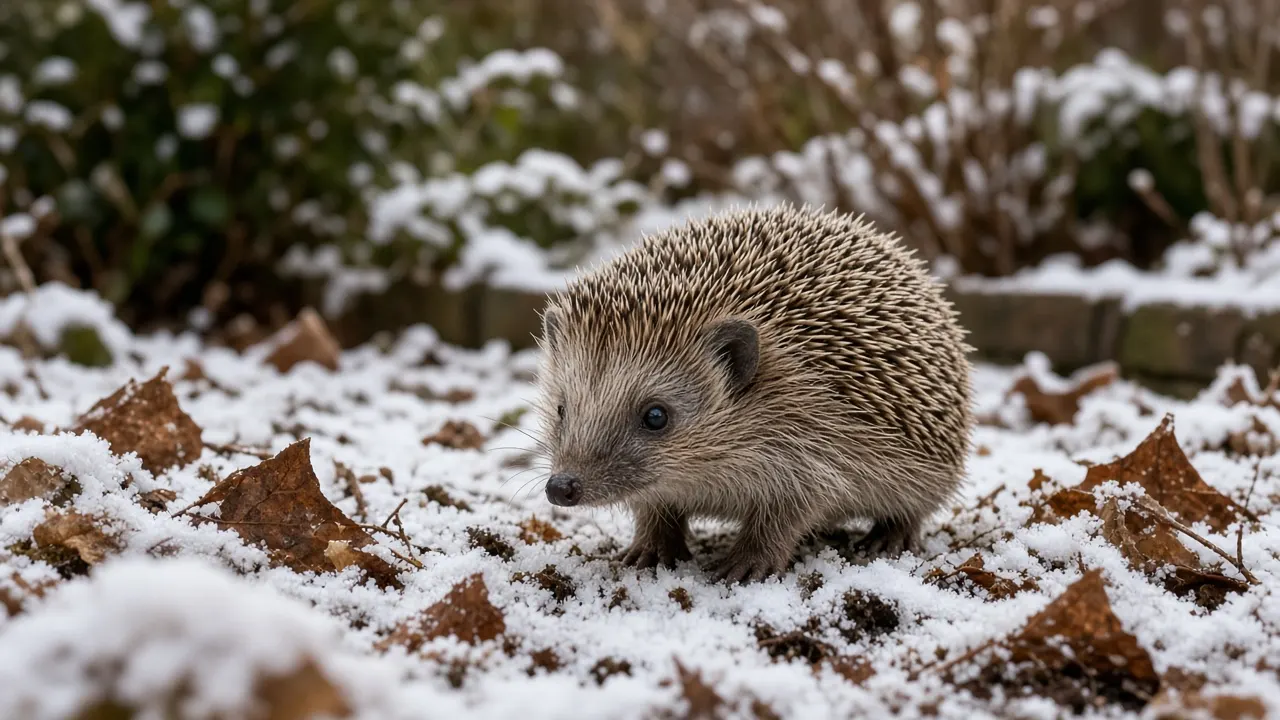
Hedgehogs kept too cold can try to hibernate, which is dangerous for African pygmy hedgehogs and can look like death at first. If your hedgehog is cold and still in winter, warm them gently and call an exotics vet before assuming the worst. If they have died, bag and refrigerate them, and ask whether a necropsy would help.
How much to budget in Howard, from gliders to wallabies
Across the markets we track, private cremation costs about twice as much as communal[5] by our estimate. For a dog, that difference buys a box of ashes. For a glider, which weighs only 85 to 170 grams as an adult[2], it buys the certainty that your pet was handled alone. Decide which matters to you before comparing Howard quotes; the aftercare options comparison lays the choices side by side.
The Wisconsin price table breaks costs down by size; our services page explains what sits behind each line.

Free tool
Cremation cost calculator
Estimate a realistic price range for your pet's size, location and the type of cremation.
What Wisconsin rules mean for an exotic pet
Some exotic pets carry germs that can pass to people, most famously Salmonella in reptiles and amphibians, which is why the CDC advises washing your hands after every contact. The same care applies after death: wear gloves or wash well after handling the body, and double-bag it if it shares a fridge with food. Local burial and scattering notes for Wisconsin follow.
To find your county or city office in Wisconsin, start with the official Wisconsin local government directory.
Start with the Wisconsin rules, which cover burial, scattering and oversight for the whole state, and treat Howard's local ordinances as a possible extra layer.
A practical checklist for Howard keepers
- Choose the provider before the appointment. Ask whether they take your species and whether the vet can hand your pet over directly afterwards.
- Ask the vet how it works for a small exotic. Because the veins are so tiny, many vets give gas or an injection to sedate first; hearing that beforehand takes some of the fear out of the day.
- Decide whether you'll stay. Many keepers do. Bring the pouch, nest box or hide your pet sleeps in so they're settled.
- Say what you'd like kept: a few quills, a clip of fur, or a paw print if the feet are big enough to show one.
- Write clear instructions on the release form: species, individual cremation, remains returned to you.
- Ask for an itemized receipt from both the vet and the provider.
- Plan something gentle for afterwards. An empty enclosure is a hard sight; some keepers leave it a few days, others clean it that evening.
Ways to remember them that fit the species
Howard is a fast-growing village on Green Bay's northwest side, strung along the US 41 corridor between the city, Suamico and Hobart. Much of it is newer subdivision housing, with older farmhouses and bigger lots hanging on at the edges. Green Bay animal hospitals, including ones open late, are only minutes down the highway, so help is reachable at nearly any hour even though Howard itself is mostly residential.
read our guides and latest articles, The services page is the place to compare what is included, run the numbers with the free planning tools, or see what other families chose in the poll results. If you live between Howard and Appleton, Green Bay, Kenosha and Milwaukee, either page applies. Every other community in Wisconsin, and all of the United States, is listed too.

Reader polls
What would you choose?
Vote anonymously and see how other readers answered. The results are live counts from people who visit this site, so they show real opinions, not a scientific sample.
How far is your nearest vet who treats your species?
Tap an answer to vote and see how others answered. Anonymous.
Has a pet crematory ever hesitated over, or turned down, your species?
Tap an answer to vote and see how others answered. Anonymous.
If you had to decide today, which aftercare would you choose for your pet?
Tap an answer to vote and see how others answered. Anonymous.

Free tools to help you plan
Cremation cost calculator
Estimate a realistic price range for your pet's size, location and the type of cremation.

Ashes weight estimator
See roughly how much ash to expect back, by species and body weight.

Aftercare options compared
Compare private, communal and water cremation with burial on cost, timing and what comes home.
Questions people ask
How does Howard's weather affect exotic pet aftercare?
July is the hottest month in Howard, with average highs around 81°F, so prompt collection matters most then. Average lows drop below freezing in January, February, March, November and December, which can make digging a grave hard until spring.
How do Wisconsin attitudes to cremation compare?
NFDA 2024 Cremation & Burial Report state projections (via Occasional Sage) (2024) puts the Wisconsin human cremation rate at about 70.7%[1]. We show it on the Howard page because pet aftercare choices tend to track it: where cremation is normal for people, communal and private pet cremation are both easy to find.
Can a provider from a neighbouring town collect from Howard?
Usually yes. Green Bay is about 5 miles away, De Pere is about 10 miles away and Kaukauna is about 22 miles away, all inside a normal collection radius. Get the mileage written into the quote so there is no surprise on the day.
How long until I get my exotic pet's ashes back in Howard?
Many families get private cremation remains back within about one to two weeks, and 5-10 days[7] is commonly quoted. In a large city it can be quicker; where pets travel to a regional crematory near Howard, it may take longer. If a necropsy comes first, add the lab's time. Ask for an expected return date when you book.
My heating failed in winter and my pet died. What now?
First warm your other animals gradually and check them over. Then seal your pet in a bag and refrigerate if you'd like a vet to look at them; cold-related deaths are worth mentioning to an exotics vet, especially with sugar gliders and hedgehogs. For cremation only, the freezer is fine while you find a provider.
What size urn do I need for a hedgehog or sugar glider?
A very small one. Cremated remains usually weigh roughly 3-5% of body weight[4], so a 400 gram hedgehog leaves around a tablespoon and a glider only a few grams. A keepsake urn, locket or small pouch usually fits. Standard pet urns are designed for cats and dogs and will look almost empty.


Sources and our estimates
- [1] The NFDA projected Wisconsin's cremation rate at 70.7% for 2024. NFDA 2024 Cremation & Burial Report state projections (via Occasional Sage), 2024.
- [2] Pet sugar gliders live about 9-12 years; adults weigh about 85-170 g. Merck Veterinary Manual - Table: Sugar Gliders at a Glance.
- [3] African pygmy hedgehogs live an average of 4-6 years; adult males weigh 400-600 g and females 300-400 g. Merck Veterinary Manual - Overview of Hedgehogs.
- [4] Embrace notes cremated remains typically weigh about 3-5% of the pet's original body weight. Embrace Pet Insurance - Bury or Cremate Your Dog? Costs, Pros & Cons, 2025.
- [5] The median price multiple of private (ashes returned) over communal cremation across 8 markets is about 2.0x, ranging from 1.25x (Tokyo) to 5.2x (Auckland). Our estimate: median(private_price / communal_price) same weight band: US CareCredit 51-70 lb midpoints (250/75) = 3.33x; Auckland 15-25 kg (445/85) = 5.24x; Norway 1-20 kg (3790/1190) = 3.18x; Singapore 10-20 kg (480/260) = 1.85x; Ontario 25-250 lb (549/279) = 1.97x; Tokyo 20-30 kg (38500/30800) = 1.25x; France 20 kg midpoints (200/95) = 2.11x; Germany range midpoints (270/145) = 1.86x. How we calculate.
- [6] Published ashes-return times across the network's markets range from same-day (paid express) to about 4 weeks; a conservative typical window is 3-14 days. Our estimate: min/max across sources: Lambeth 3 days; US 5-10 days; RSPCA QLD within 14 days; AniCura Sweden 2-4 weeks. How we calculate.
- [7] A US aftercare guide says many families receive private cremation ashes within about one to two weeks, with 5-10 days commonly quoted. Funeral.com - Pet Cremation Timelines: How Long Until Ashes Are Returned, 2026.
Get exotic pet cremation options in Howard
Tell us what you need and where you are. We'll reply by email with clear options and prices so you can decide in your own time.