Saying goodbye to an exotic pet in Moses Lake
Before you call anyone in Moses Lake, decide one thing: do you want a necropsy, preservation or cremation? It changes whether your pet goes in the fridge or the freezer.
- Providers who accept your species
- Honest answers on tiny amounts of ash
- Help with necropsy and permit questions
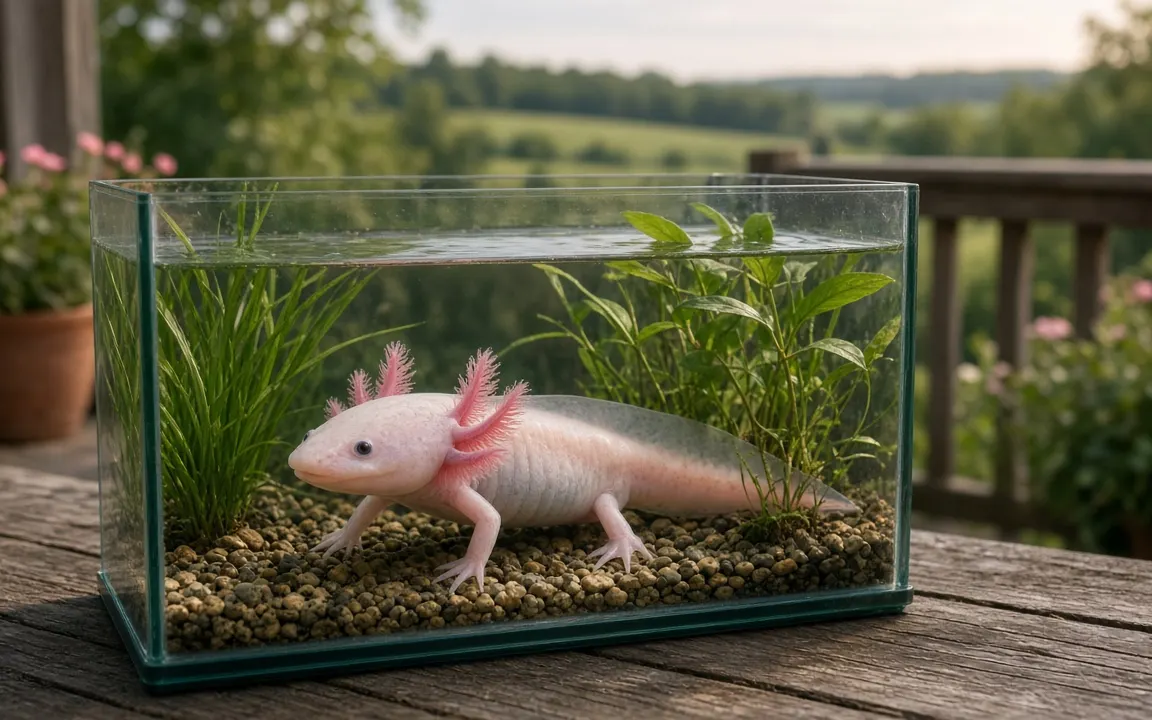
Moses Lake, Washington
Finding a provider for an unusual pet in Moses Lake
Moses Lake is a Grant County city spread along the arms of the lake that shares its name, in the dry heart of the Columbia Basin. It's an agricultural and industrial hub with an airport on the site of a former air force base, neighborhoods of ranch houses and newer subdivisions, and long drives to the bigger cities. Options are fewer out here, so ask at your next vet visit who handles cremations for basin families.
Basin summers bake, with July highs near 90, and winters bring freezing nights from November through March. When it's hot, don't wait: an air-conditioned room indoors is the right place, and handing over the body the same day is ideal. When it's cold, you gain a few hours, but an animal left in a truck bed or shed can freeze solid, which makes handling harder for everyone.
Exotics vets are scarce outside larger centres, so many families in and around Moses Lake drive to a larger centre such as Moses Lake for specialist care. If your pet died after treatment there, that practice is usually the best place to arrange aftercare too, since they know which crematory handles unusual species. Ask whether they can hold your pet until the provider's next collection.
About 27,469 people live in Moses Lake, which makes it the 44th-largest of the 67 Washington communities we cover.
Moses Lake sits within easy reach of Wenatchee (54 miles), West Richland (56 miles) and Richland (58 miles, a larger centre). A provider based in any of them will usually collect from Moses Lake; ask what the mileage adds to the bill.
79.1%[1]
Washington had a 79.1% cremation rate in 2024, among the highest in the US.
9-12 years[2]
Pet sugar gliders live about 9-12 years; adults weigh about 85-170 g.
4-6 years[3]
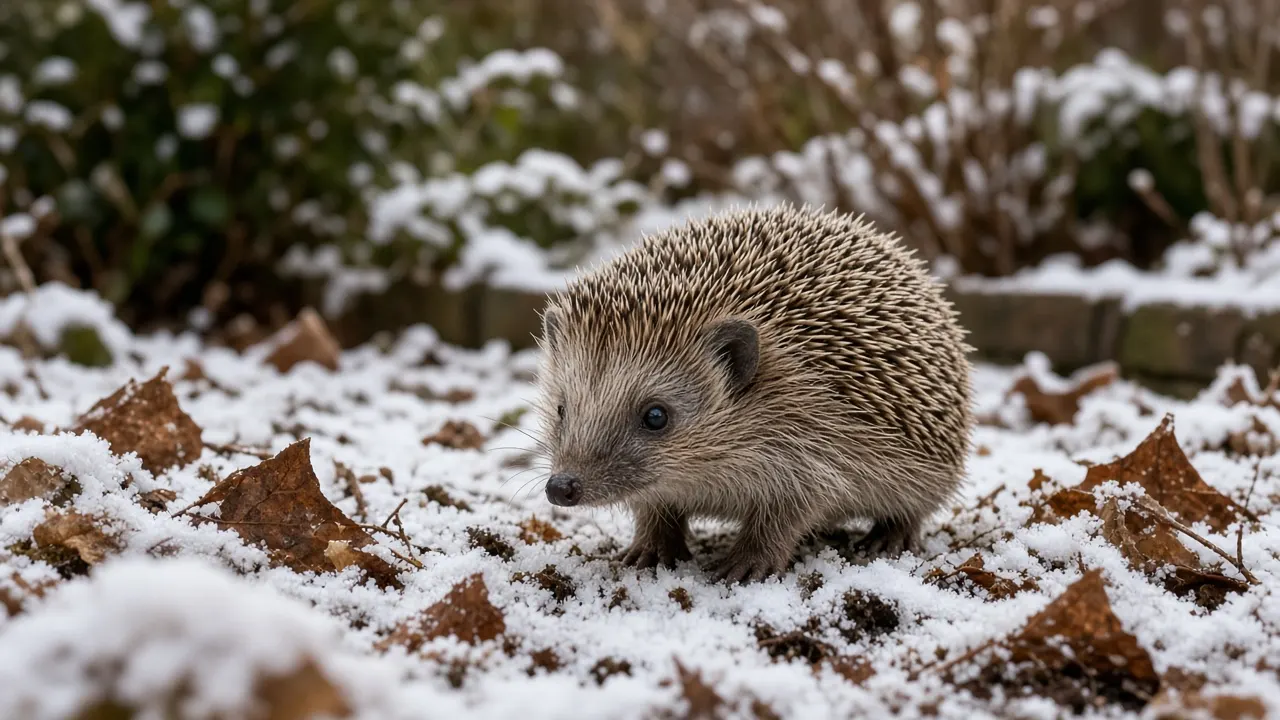
African pygmy hedgehogs live an average of 4-6 years; adult males weigh 400-600 g and females 300-400 g.
3-5% of body weight[4]
Embrace notes cremated remains typically weigh about 3-5% of the pet's original body weight.
We built the this numbers from Embrace Pet Insurance and Merck Veterinary Manual, and both are worth a look if you want the detail.
Cremation habits in Washington, and what they mean for keepers
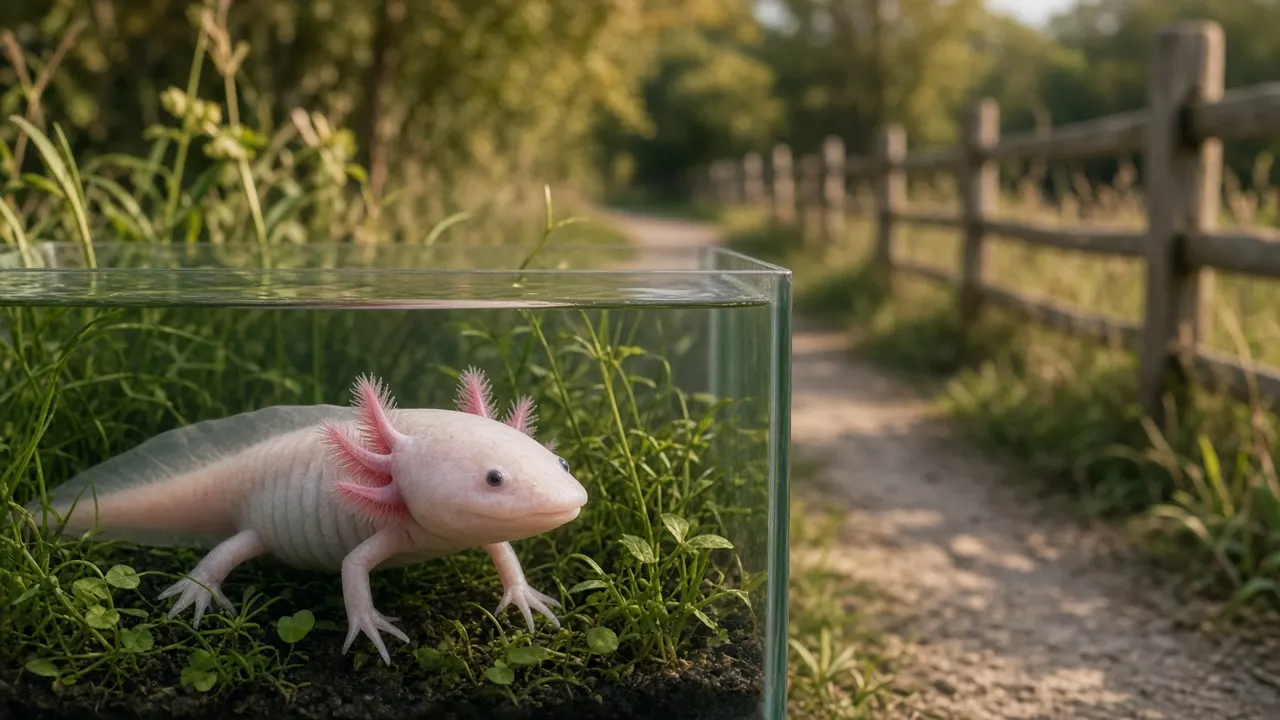
Cremation accounts for roughly 79.1%[1] of funerals for people in Washington, and many families here scatter ashes somewhere meaningful. With an exotic pet, the amount may be too small to scatter at all: a sugar glider's remains could fit in a thimble. Some keepers mix them into a planter's soil or keep them whole in a locket instead. There's no wrong choice, but it helps to know before you book roughly what you'll receive.
Direct Cremate (citing CANA) (2024) is where the Washington figure comes from. It counts people; we use it because attitudes to cremating a pet in Moses Lake tend to follow attitudes to cremation generally.
Seasons in Moses Lake and the first hours after a loss
For larger exotics kept outside, such as wallabies, a death in January, February, March, November and December often happens in a snowy paddock. Cold slows changes to the body but doesn't stop foxes and other scavengers, so move your animal into a shed or garage and cover it. Call a provider early in the day; rural collection in winter depends on daylight and road conditions.
Winter is when heating failures happen. A power cut or a failed heat mat in January, February, March, November and December can chill a room of tropical exotics fast, and sugar gliders, hedgehogs and many invertebrates don't cope with cold. If you lose an animal this way, tell the vet so they can judge whether a necropsy is useful, and warm the rest of your animals gradually, not suddenly.
Why a tiny pet doesn't always mean a tiny bill in Moses Lake
Containers are where a small pet's bill can surprise you in Moses Lake. By our estimate, a 1 oz keepsake urn can cost about a third more[5] than a full-size wooden urn from the same crematory, because small, finely made pieces aren't cheaper to produce. If a standard urn is included, ask whether they'll swap it for a keepsake at no charge, or return the remains in a simple pouch you can move later.
We keep the detailed Washington price table on one page so it stays current: see Washington prices.

Free tool
Cremation cost calculator
Estimate a realistic price range for your pet's size, location and the type of cremation.
Permits, protected species and burial in Washington
Cremating an exotic pet is rarely regulated on its own, but a few things around it can be. If your species needed a permit while alive, the permit may ask you to report the death. Protected species listed under CITES, the treaty on trade in endangered animals, may need their records kept. Burial and scattering follow local rules. Here's what applies in Washington.
The official Washington local government directory lists every county and city office, which is the quickest way to find who to ask in Moses Lake.
We keep Washington's burial and scattering rules in one place: the Washington rules summary. Before a home burial in Moses Lake, also ask the city whether local ordinances add anything.
What to do when your exotic pet dies in Moses Lake
- Choose the provider before the appointment. Check two things: that they accept your species, and that your vet can pass your pet to them straight afterwards.
- Ask the vet how it works for a small exotic. Because the veins are so tiny, many vets give gas or an injection to sedate first; hearing that beforehand takes some of the fear out of the day.
- Decide whether you'll stay. Plenty of keepers choose to. Take along the hide, nest box or pouch they usually sleep in, so they feel at home.
- Say what you'd like kept: a few quills, a clip of fur, or a paw print if the feet are big enough to show one.
- Write clear instructions on the release form: the species, individual cremation, and that the remains come back to you.
- Ask for an itemized receipt, one from the provider and one from the vet.
- Plan something gentle for afterwards. Coming home to an empty enclosure is hard. Some people clean it out the same evening; others can't face it for a few days.
Memorials that suit an unusual companion
The lakeshore parks, the sand dunes south of town and the open sagebrush country are where many residents spend their spare time. Scattering on public land or water needs permission, so households with yards often bury ashes under a shade tree, and apartment dwellers keep an urn on a shelf. Wind and dust are constant here, so pick a sheltered spot for anything outdoors.
or look at how readers voted in our polls, Compare every option on our services page, the planning tools turn your pet's details into figures, there are guides for the big decisions and articles for the details. If you live between Moses Lake and Bellevue, Kent, Seattle and Vancouver, either page applies. Every other community in Washington, and all of the United States, is listed too.

Reader polls
What would you choose?
Vote anonymously and see how other readers answered. The results are live counts from people who visit this site, so they show real opinions, not a scientific sample.
If your pet is very small, what matters most about the ashes?
Tap an answer to vote and see how others answered. Anonymous.
How far is your nearest vet who treats your species?
Tap an answer to vote and see how others answered. Anonymous.
If you had to decide today, which aftercare would you choose for your pet?
Tap an answer to vote and see how others answered. Anonymous.

Free tools to help you plan
Cremation cost calculator
Estimate a realistic price range for your pet's size, location and the type of cremation.
Ashes weight estimator
See roughly how much ash to expect back, by species and body weight.

Aftercare options compared
Compare private, communal and water cremation with burial on cost, timing and what comes home.
Questions people ask
How do Washington attitudes to cremation compare?
Direct Cremate (citing CANA) (2024) puts the Washington human cremation rate at about 79.1%[1]. We show it on the Moses Lake page because pet aftercare choices tend to track it: where cremation is normal for people, communal and private pet cremation are both easy to find.
How does Moses Lake's weather affect exotic pet aftercare?
July is the hottest month in Moses Lake, with average highs around 89°F, so prompt collection matters most then. Average lows drop below freezing in January, February, March, November and December, which can make digging a grave hard until spring.
Which nearby towns can I compare with Moses Lake?
The closest communities we cover are Wenatchee (about 54 miles), West Richland (about 56 miles) and Richland (about 58 miles). Providers based in those places often serve Moses Lake too. Ask each one for a written total that includes collection, so the distance is priced in.
Is it safe to bury an axolotl or amphibian in my garden in Moses Lake?
It can be, where local rules allow, but bury well away from ponds, streams, ditches and drains. Amphibian diseases such as chytrid fungus spread through water and can harm wild frogs and salamanders. Never flush an amphibian or pour its tank water outside. Cremation removes the risk entirely, even if little ash comes back.
Can I bury my exotic pet in winter when the ground is frozen?
Not until the thaw, in most cases. Many keepers in cold places keep their pet sealed in the freezer, or cremate and keep the urn, then bury in spring. For amphibians, choose a spot well away from water, or scatter or keep the ashes instead. There's no harm in waiting for a day that feels right.
How much ash will my axolotl or frog leave?
Very little. Amphibians are mostly water and have light skeletons, so a large axolotl may leave a gram or two and a small frog possibly nothing visible. Many keepers still choose individual cremation because it means their animal was treated alone and with care. Ask the provider in advance so you know what to expect.


Sources and our estimates
- [1] Washington had a 79.1% cremation rate in 2024, among the highest in the US. Direct Cremate (citing CANA), 2024.
- [2] Pet sugar gliders live about 9-12 years; adults weigh about 85-170 g. Merck Veterinary Manual - Table: Sugar Gliders at a Glance.
- [3] African pygmy hedgehogs live an average of 4-6 years; adult males weigh 400-600 g and females 300-400 g. Merck Veterinary Manual - Overview of Hedgehogs.
- [4] Embrace notes cremated remains typically weigh about 3-5% of the pet's original body weight. Embrace Pet Insurance - Bury or Cremate Your Dog? Costs, Pros & Cons, 2025.
- [5] A 1 oz keepsake urn can cost about a third more than a full-size wooden urn at the same crematory. Our estimate: CA$106 heart keepsake / CA$79 solid wood urn. How we calculate.
- [6] Private cremation cost per pound falls with size in the US: roughly $9.2/lb for a 15 lb pet, $4.2/lb at 60 lb and about $4.0/lb at 100 lb. Our estimate: band midpoint price / representative weight: 0-30 lb (midpoint $137.50 / 15 lb) = $9.17/lb; 51-70 lb ($250 / 60 lb) = $4.17/lb; over 90 lb ($400 / ~100 lb) = $4.00/lb. How we calculate.
Ask us to check providers near Moses Lake
Tell us what you need and where you are. We'll reply by email with clear options and prices so you can decide in your own time.