Hedgehogs, gliders, axolotls and more: cremation in Winooski
Exotic pets rarely fit a crematory's usual routine. We explain the choices in Winooski plainly and can email you options from providers who handle unusual species.
- Fridge or freezer advice for Winooski
- Written prices for small and large exotics
- Pickup from your home or exotics vet
Winooski, Vermont
Getting help with an unusual pet around Winooski
At roughly one and a half square miles, Winooski is among the most tightly packed communities in Vermont. Many residents rent in brick mill conversions or in triple-deckers and duplexes on the streets above the river, often with no lawn of their own. For a cat, a budgie or a pair of rats, cremation tends to be the realistic route, and any Chittenden County clinic can tell you which aftercare providers already make pickups in the city.
Winooski is a city of many languages, with families whose roots lie in Nepal, Bhutan, Somalia, Bosnia and elsewhere living beside longtime Vermonters and students from nearby colleges. Traditions about animals and death differ from home to home. You can ask an aftercare provider for extra hours before collection, a private moment to say goodbye, or help from an interpreter with the forms, and a respectful service will make room for that.
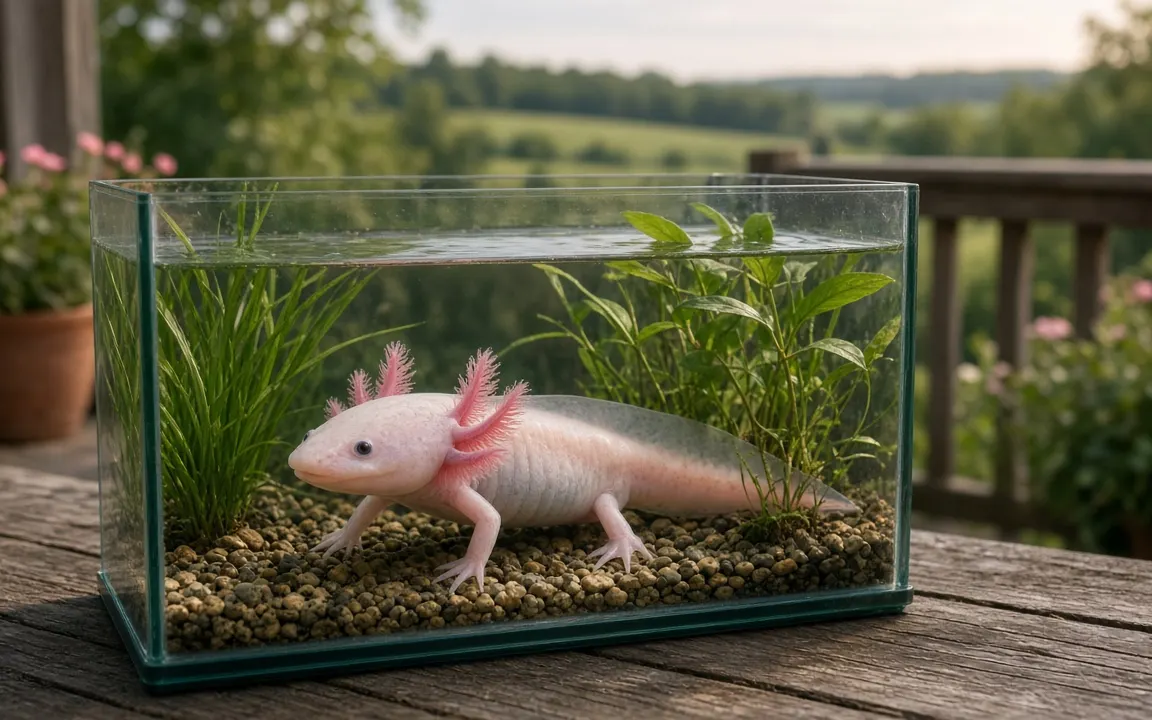
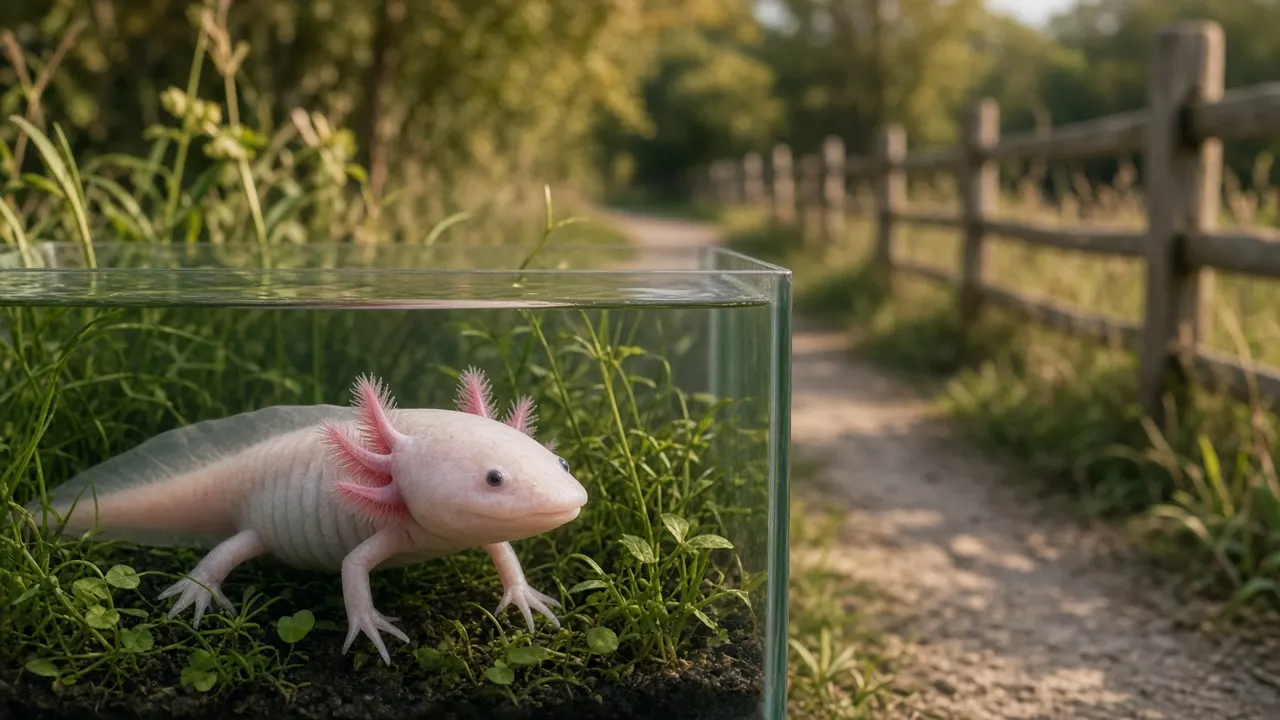
Rural keepers around Winooski often have land, and home burial of a small mammal is common. Bury deep enough that wildlife won't dig, away from wells and streams, and check local rules first. For amphibians, axolotls and anything that lived in water, bury well away from ponds and ditches or choose cremation, because amphibian diseases travel through water to wild populations.
With roughly 8,239 residents, Winooski is the 5th-largest of the 12 Vermont communities we cover.
Winooski sits within easy reach of Burlington (2 miles, a larger centre), Essex Junction (4 miles) and South Burlington (4 miles, a larger centre). A provider based in any of them will usually collect from Winooski; ask what the mileage adds to the bill.
78.1%[1]
The NFDA projected Vermont's cremation rate at 78.1% for 2024.
9-12 years[2]
Pet sugar gliders live about 9-12 years; adults weigh about 85-170 g.
4-6 years[3]
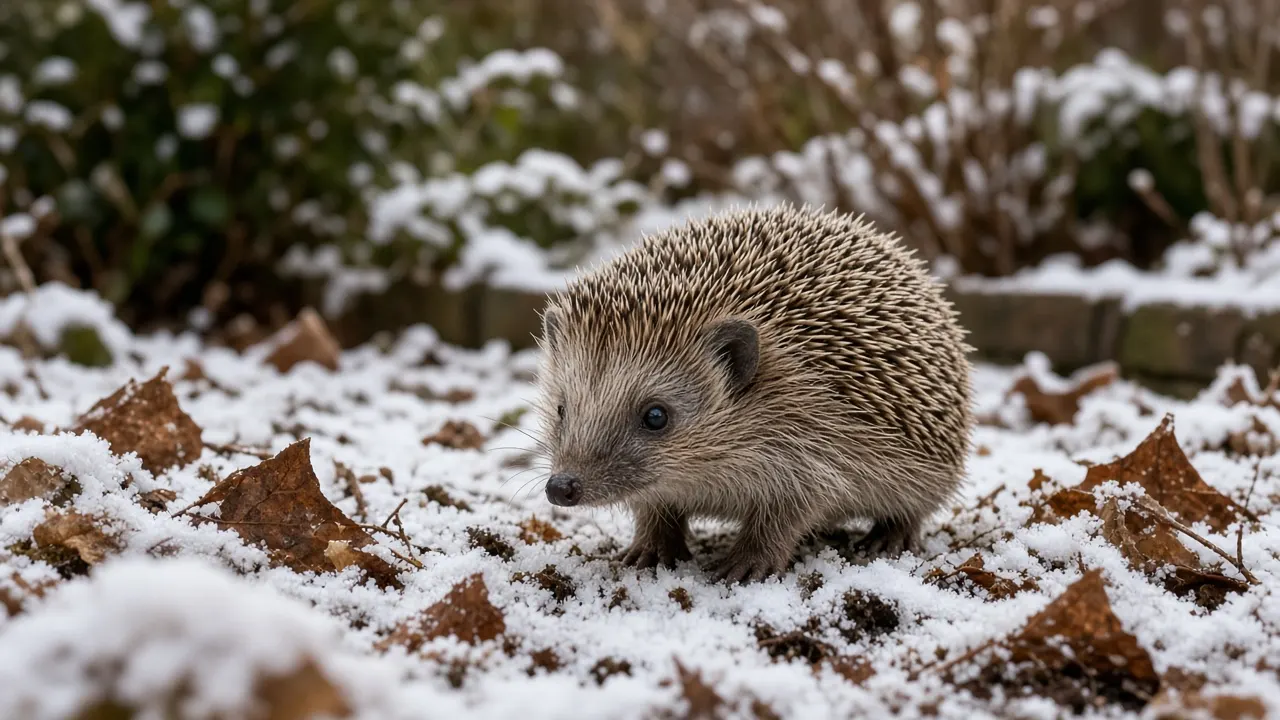
African pygmy hedgehogs live an average of 4-6 years; adult males weigh 400-600 g and females 300-400 g.
3-5% of body weight[4]
Embrace notes cremated remains typically weigh about 3-5% of the pet's original body weight.
Where these figures come from: Merck Veterinary Manual and Embrace Pet Insurance.
What local funeral customs tell you about finding a provider
Cremation is the norm for people in Vermont: about 78.1%[1] of people who die there are cremated. That usually means well-established pet crematories and staff who are comfortable talking about ashes. It doesn't guarantee they've handled a glider or a spider, though. A high local cremation rate makes it more likely you'll find a provider nearby; the species question still has to be asked directly.
We take the Vermont rate from NFDA 2024 Cremation & Burial Report state projections (via Occasional Sage) (2024). It is a human statistic; there is no equivalent pet figure for Winooski, and we would rather show a real number than invent one.
Timing exotic pet aftercare in Winooski's climate
Some keepers in cold places like Winooski cremate first and bury the ashes, or plant a small memorial, once the ground thaws. For amphibians and axolotls it's the safer route anyway, because cremation removes any disease risk to wild frogs and salamanders. A keepsake urn can sit on a shelf all winter.
For larger exotics kept outside, such as wallabies, a death in January, February, March and December often happens in a snowy paddock. Cold slows changes to the body but doesn't stop foxes and other scavengers, so move your animal into a shed or garage and cover it. Call a provider early in the day; rural collection in winter depends on daylight and road conditions.
How much to budget in Winooski, from gliders to wallabies
Expect the total in Winooski to depend on four things: the weight band, individual or communal, how your pet reaches the provider and what the remains come back in. If a necropsy comes first, that's a separate vet or laboratory fee, and it adds time to the usual return of 5-10 days[5]. The ranges below are typical US prices; ask any provider for a written, itemised total before you agree.
Rather than repeat the price table on every city page, we keep one for Vermont: Vermont costs. What each service includes is on the services page.

Free tool
Cremation cost calculator
Estimate a realistic price range for your pet's size, location and the type of cremation.
What Vermont expects after an exotic pet dies
Never flush a dead axolotl, frog, fish or invertebrate, and never empty its tank water into a garden, pond or storm drain. Amphibian chytrid fungus and other diseases spread this way, and released animals, even dead ones, can carry invasive organisms. Beyond that common-sense rule, here is what Vermont says about burial and scattering.
The official Vermont local government directory lists every county and city office, which is the quickest way to find who to ask in Winooski.
We keep Vermont's burial and scattering rules in one place: the Vermont rules summary. Before a home burial in Winooski, also ask the city whether local ordinances add anything.
A practical checklist for Winooski keepers
- Choose the provider before the appointment. Check two things: that they accept your species, and that your vet can pass your pet to them straight afterwards.
- Ask the vet how it works for a small exotic. Many sedate first with gas or an injection, because veins are tiny; knowing this in advance makes the day less frightening.
- Decide whether you'll stay. Many keepers do. Bring the pouch, nest box or hide your pet sleeps in so they're settled.
- Say what you'd like kept: a few quills, a clip of fur, or a paw print if the feet are big enough to show one.
- Write clear instructions on the release form: species, individual cremation, remains returned to you.
- Ask for an itemized receipt from both the vet and the provider.
- Plan something gentle for afterwards. Coming home to an empty enclosure is hard. Some people clean it out the same evening; others can't face it for a few days.
Honoring a pet most people never got to meet
Winooski occupies the falls of the Winooski River, one short bridge across from Burlington. Cold grips the city December through March, January nights bottoming near 13F, and snowbanks narrow the side streets for weeks. Should a small companion pass during that season, resist the urge to leave the body on a porch, where it may freeze or draw foxes and crows. A cool back room, a towel and a morning call to the clinic are enough.
or see what other families chose in the poll results, the planning tools turn your pet's details into figures, browse in-depth guides or recent articles, Our services overview lays out every option side by side. More local pages: Barre, Burlington, South Burlington and Essex Junction, the Vermont overview and every city in the United States.

Reader polls
What would you choose?
Vote anonymously and see how other readers answered. The results are live counts from people who visit this site, so they show real opinions, not a scientific sample.
Would you want a necropsy (an animal post-mortem) before cremation?
Tap an answer to vote and see how others answered. Anonymous.
Has a pet crematory ever hesitated over, or turned down, your species?
Tap an answer to vote and see how others answered. Anonymous.
If you had to decide today, which aftercare would you choose for your pet?
Tap an answer to vote and see how others answered. Anonymous.

Free tools to help you plan
Cremation cost calculator
Estimate a realistic price range for your pet's size, location and the type of cremation.

Ashes weight estimator
See roughly how much ash to expect back, by species and body weight.

Aftercare options compared
Compare private, communal and water cremation with burial on cost, timing and what comes home.
Questions people ask
Is cremation common in Vermont?
For people, yes: about 78.1%[1] of Vermont deaths end in cremation, according to NFDA 2024 Cremation & Burial Report state projections (via Occasional Sage) (2024). Nobody publishes the same figure for pets, but in our experience pet choices in Winooski follow the human pattern closely, so cremation is the default most families here start from.
Which nearby towns can I compare with Winooski?
The closest communities we cover are Burlington (about 2 miles), Essex Junction (about 4 miles) and South Burlington (about 4 miles). Providers based in those places often serve Winooski too. Ask each one for a written total that includes collection, so the distance is priced in.
When is the hardest time of year to arrange a burial in Winooski?
January, February, March and December: average lows are below freezing then, and frozen ground makes a home grave slow or impossible until it thaws. The other pressure point is July, when highs around 82°F mean a body needs cooling and collecting quickly.
How do I know I got my own pet's ashes back?
Ask how the provider keeps track of each animal. Reliable providers attach an ID disc that stays with your pet from intake to return, use a separate chamber or tray for individual cremations, and record each step. For a tiny exotic, check that only one animal is cremated at a time. A certificate that names the species and weight, not just 'pet', is another good sign.
Can someone collect my wallaby or other large exotic in Winooski?
Some providers can, especially those that also handle large dogs or farm animals. Give the weight and the full length, including tail, so they can send enough people and check their chamber fits. If they can't collect, you may need to deliver by car or trailer. Ask about mileage if the provider is based near Winooski.
Is exotic pet cremation common in Vermont?
For people, about 78.1%[1] of deaths in Vermont end in cremation, which means crematories are familiar and generally easy to find. Exotic pets are a small share of any crematory's work, though, so experience with your species still varies provider by provider. Asking the right questions matters more than the local rate.


Sources and our estimates
- [1] The NFDA projected Vermont's cremation rate at 78.1% for 2024. NFDA 2024 Cremation & Burial Report state projections (via Occasional Sage), 2024.
- [2] Pet sugar gliders live about 9-12 years; adults weigh about 85-170 g. Merck Veterinary Manual - Table: Sugar Gliders at a Glance.
- [3] African pygmy hedgehogs live an average of 4-6 years; adult males weigh 400-600 g and females 300-400 g. Merck Veterinary Manual - Overview of Hedgehogs.
- [4] Embrace notes cremated remains typically weigh about 3-5% of the pet's original body weight. Embrace Pet Insurance - Bury or Cremate Your Dog? Costs, Pros & Cons, 2025.
- [5] A US aftercare guide says many families receive private cremation ashes within about one to two weeks, with 5-10 days commonly quoted. Funeral.com - Pet Cremation Timelines: How Long Until Ashes Are Returned, 2026.
- [6] Published ashes-return times across the network's markets range from same-day (paid express) to about 4 weeks; a conservative typical window is 3-14 days. Our estimate: min/max across sources: Lambeth 3 days; US 5-10 days; RSPCA QLD within 14 days; AniCura Sweden 2-4 weeks. How we calculate.
Find a Winooski provider who takes your species
Tell us what you need and where you are. We'll reply by email with clear options and prices so you can decide in your own time.