Saying goodbye to an exotic pet in Providence
Exotic pets rarely fit a crematory's usual routine. We explain the choices in Providence plainly and can email you options from providers who handle unusual species.
- Fridge or freezer advice for Providence
- Written prices for small and large exotics
- Pickup from your home or exotics vet
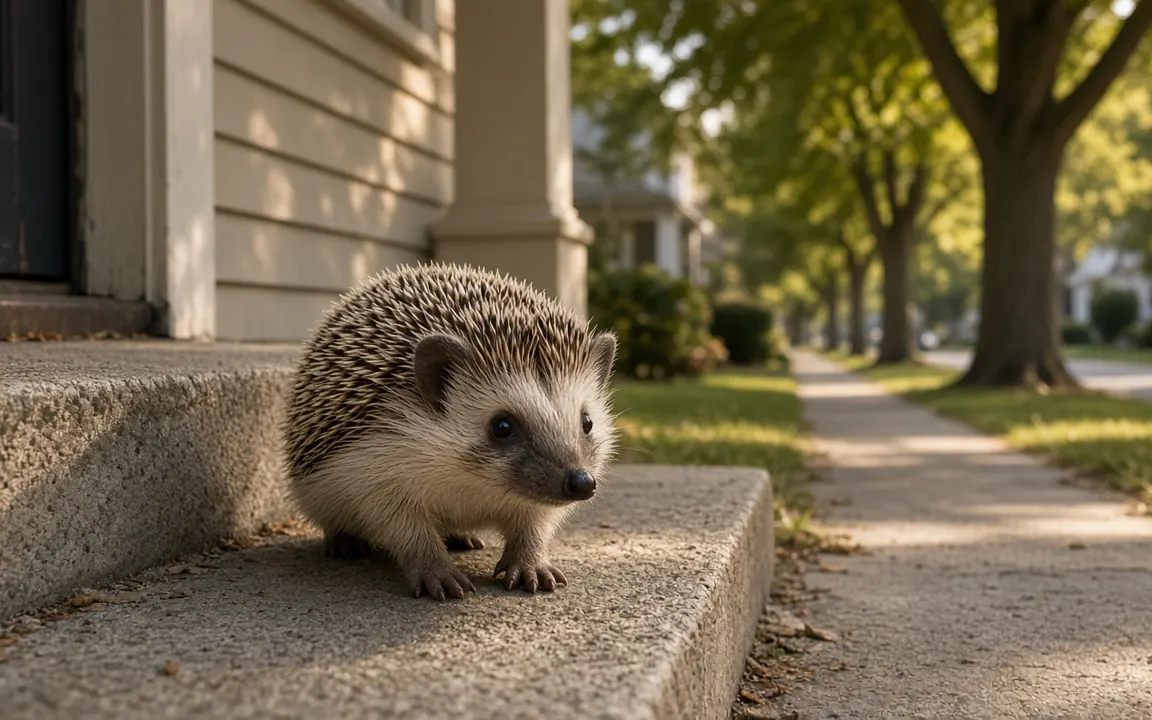
Providence, Rhode Island
Exotic pet aftercare in Providence: the local picture
New England winters in Providence are cold and snowy, with nor'easters that can shut down roads for a day or more. In winter, a cool room or unheated porch will keep your pet cool for a short time, but storms can delay collection, so plan ahead. Summers are warm and humid, with highs in the mid-80s: lay your pet on a towel, use ice packs and keep them in a cool room.
Providence is a dense, compact city of triple-deckers, apartments and older single-family homes on steep hills like College Hill and Federal Hill. Parking can be tight, and some residents don't keep a car. When you contact us, mention your street and building type, whether there are stairs, and whether you'd like your pet collected from home. That helps providers plan a collection that works with narrow streets and limited parking.
Keepers in Providence are more likely than big-city owners to have a garden, which makes home burial tempting for small pets. For mammals like hedgehogs, it's often fine where local rules allow. For amphibians and axolotls, think twice: diseases such as chytrid fungus spread through soil water and can reach wild frogs and salamanders. Cremation, or a burial far from ponds and drains, is the safer choice.
Providence is home to about 195,310 people, the largest of the 8 Rhode Island communities we cover. The nearest larger centre is Worcester, about 36 miles (58 km) away, which is where some providers serving Providence are based.
Families in Providence often end up using a provider from East Providence (3 miles), Pawtucket (4 miles) and Central Falls (5 miles). That is normal: crematories serve a radius, not a single town, and the drive is priced into collection.
60.1%[1]
The NFDA projected Rhode Island's cremation rate at 60.1% for 2024.
9-12 years[2]
Pet sugar gliders live about 9-12 years; adults weigh about 85-170 g.
4-6 years[3]
African pygmy hedgehogs live an average of 4-6 years; adult males weigh 400-600 g and females 300-400 g.
3-5% of body weight[4]
Embrace notes cremated remains typically weigh about 3-5% of the pet's original body weight.
The numbers above come from Embrace Pet Insurance and Merck Veterinary Manual, if you'd like to read the original sources.

Why local cremation habits matter for your exotic pet
Cremation has grown steadily in Rhode Island, where about 60.1%[1] of people now choose it, and newer pet providers have opened as demand rose. Smaller, newer operations can be more flexible about unusual species, offering a small-animal tray or an evening drop-off, while long-established ones may simply have seen more. Ask both how many animals under a pound they cremate in a typical month.
That Rhode Island rate is a human one, published by NFDA 2024 Cremation & Burial Report state projections (via Occasional Sage) (2024). We quote it for Providence only as a pointer to how families here already think about cremation.
Providence weather, enclosures and timing
Providence winters are cold, with average lows at or below freezing in January, February, March and December. Cold gives you a little more time after a death, but it also means frozen ground. If you were planning to bury a hedgehog or glider in the garden, you may not be able to dig until spring, which is why many local keepers cremate first or keep their pet in the freezer until the thaw.
For larger exotics kept outside, such as wallabies, a death in January, February, March and December often happens in a snowy paddock. Cold slows changes to the body but doesn't stop foxes and other scavengers, so move your animal into a shed or garage and cover it. Call a provider early in the day; rural collection in winter depends on daylight and road conditions.

How much to budget in Providence, from gliders to wallabies
Expect the total in Providence to depend on four things: the weight band, individual or communal, how your pet reaches the provider and what the remains come back in. If a necropsy comes first, that's a separate vet or laboratory fee, and it adds time to the usual return of 5-10 days[5]. The ranges below are typical US prices; ask any provider for a written, itemised total before you agree.
For a line-by-line price table, see the Rhode Island overview; for what's included in each option, see our services.

Free tool
Cremation cost calculator
Estimate a realistic price range for your pet's size, location and the type of cremation.
Permits, protected species and burial in Rhode Island
A few exotic pets carry health rules as well as wildlife ones. If a skunk or other mammal bit someone shortly before it died, health officials can require rabies testing, and that has to happen before cremation. There's no licensed rabies vaccine for pet skunks, so this comes up more than keepers expect. Otherwise, the rules that matter most in Rhode Island are about burial and scattering.
Rhode Island keeps an official directory of local governments; use it to reach the county or city office that covers Providence.
Start with the Rhode Island rules, which cover burial, scattering and oversight for the whole state, and treat Providence's local ordinances as a possible extra layer.
What to do when your exotic pet dies in Providence
- Tell your child simply and honestly: their pet has died. Don't say 'went to sleep'; a child can start to fear going to bed.
- Offer a chance to say goodbye if they'd like one. A small animal wrapped in a soft cloth looks peaceful.
- Seal and chill the body afterwards, labelled with the name your child used.
- Let them help choose whether it's cremation or a safe place to bury, and let them pick out a keepsake or a little container.
- Ask the provider whether a drawing or short letter can go with their pet. A small piece of paper is usually fine with most.
- Explain how long it will take before the remains are back, and circle that date on a calendar together.
- Keep routines steady, and be ready to talk about their pet as often as they need to.
Memorials that suit an unusual companion
Small city lots, rocky New England soil and frozen ground for much of the winter make backyard burial difficult in Providence, and many residents rent. That's one reason private cremation is a common choice for pets here. Ashes can be kept at home, scattered in a meaningful place after checking the rules, or buried later on family land elsewhere in Rhode Island or southern New England.
run the numbers with the free planning tools, the guides answer the longer questions and the blog the newer ones, or see how other readers answered in our polls, Compare every option on our services page. More local pages: Cranston, East Providence, Woonsocket and Pawtucket, the Rhode Island overview and every city in the United States.

Reader polls
What would you choose?
Vote anonymously and see how other readers answered. The results are live counts from people who visit this site, so they show real opinions, not a scientific sample.
Has a pet crematory ever hesitated over, or turned down, your species?
Tap an answer to vote and see how others answered. Anonymous.
If your pet is very small, what matters most about the ashes?
Tap an answer to vote and see how others answered. Anonymous.
If you had to decide today, which aftercare would you choose for your pet?
Tap an answer to vote and see how others answered. Anonymous.

Free tools to help you plan
Cremation cost calculator
Estimate a realistic price range for your pet's size, location and the type of cremation.

Ashes weight estimator
See roughly how much ash to expect back, by species and body weight.

Aftercare options compared
Compare private, communal and water cremation with burial on cost, timing and what comes home.
Questions people ask
Where are the providers that serve Providence actually based?
Some are local, and some run from Worcester, about 36 miles away. That is normal for a city this size. What matters is the collection time they quote for Providence and whether the drive is priced into the total, so ask both up front.
When is the hardest time of year to arrange a burial in Providence?
January, February, March and December: average lows are below freezing then, and frozen ground makes a home grave slow or impossible until it thaws. The other pressure point is July, when highs around 84°F mean a body needs cooling and collecting quickly.
How do Rhode Island attitudes to cremation compare?
NFDA 2024 Cremation & Burial Report state projections (via Occasional Sage) (2024) puts the Rhode Island human cremation rate at about 60.1%[1]. We show it on the Providence page because pet aftercare choices tend to track it: where cremation is normal for people, communal and private pet cremation are both easy to find.
Can a provider from a neighbouring town collect from Providence?
Usually yes. East Providence is about 3 miles away, Pawtucket is about 4 miles away and Central Falls is about 5 miles away, all inside a normal collection radius. Get the mileage written into the quote so there is no surprise on the day.
My heating failed in winter and my pet died. What now?
First warm your other animals gradually and check them over. Then seal your pet in a bag and refrigerate if you'd like a vet to look at them; cold-related deaths are worth mentioning to an exotics vet, especially with sugar gliders and hedgehogs. For cremation only, the freezer is fine while you find a provider.
Should I choose a provider in Providence or one further away?
Choose the one that's confident with your species. For small exotics, distance matters little: frozen or chilled in a cool box, your pet can travel an hour without any problem. A provider who has cremated hedgehogs or axolotls before, and tells you honestly what will return, is worth a drive.


Sources and our estimates
- [1] The NFDA projected Rhode Island's cremation rate at 60.1% for 2024. NFDA 2024 Cremation & Burial Report state projections (via Occasional Sage), 2024.
- [2] Pet sugar gliders live about 9-12 years; adults weigh about 85-170 g. Merck Veterinary Manual - Table: Sugar Gliders at a Glance.
- [3] African pygmy hedgehogs live an average of 4-6 years; adult males weigh 400-600 g and females 300-400 g. Merck Veterinary Manual - Overview of Hedgehogs.
- [4] Embrace notes cremated remains typically weigh about 3-5% of the pet's original body weight. Embrace Pet Insurance - Bury or Cremate Your Dog? Costs, Pros & Cons, 2025.
- [5] A US aftercare guide says many families receive private cremation ashes within about one to two weeks, with 5-10 days commonly quoted. Funeral.com - Pet Cremation Timelines: How Long Until Ashes Are Returned, 2026.
- [6] Private pet aquamation costs about 2.5 times communal aquamation at the same provider. Our estimate: mean of tier ratios 150/50, 200/75, 250/100, 350/150, 450/225. How we calculate.
Find a Providence provider who takes your species
Tell us what you need and where you are. We'll reply by email with clear options and prices so you can decide in your own time.