Arranging exotic pet aftercare in Georgetown
Before you call anyone in Georgetown, decide one thing: do you want a necropsy, preservation or cremation? It changes whether your pet goes in the fridge or the freezer.
- Providers who accept your species
- Honest answers on tiny amounts of ash
- Help with necropsy and permit questions
Georgetown, Delaware
Exotic pet aftercare in Georgetown: the local picture
Georgetown is home to many working families, including a large Guatemalan and wider Latino community, and households differ in how they prefer to handle a pet's body. Some bury on their own land; others prefer cremation. If you rent, check with your landlord before digging. A private cremation with the ashes returned is portable, while communal cremation costs less. Ask whether a Spanish-speaking contact is available if that helps.
Summer in Georgetown is long and hot, with August afternoons around 88F and thick humidity, and freezing nights come mostly between December and February. Being well inland, the town escapes the worst coastal surge, yet heavy tropical rain still arrives some Septembers. After a pet dies in that heat, a shaded interior room with the blinds drawn is the place to rest them while the family decides.
If you're some distance from a vet in Georgetown, the freezer is your friend. A small exotic sealed in a labelled bag keeps well for weeks, which gives you time to find a provider who'll handle the species properly. The one exception is if you want a necropsy: then refrigerate, not freeze, and get your pet to a vet within a day or two, even if that means a drive.
With roughly 8,291 residents, Georgetown is the 8th-largest of the 11 Delaware communities we cover.
Georgetown sits within easy reach of Millsboro (8 miles), Seaford (12 miles) and Milford (15 miles). A provider based in any of them will usually collect from Georgetown; ask what the mileage adds to the bill.
59.7%[1]
The NFDA projected Delaware's cremation rate at 59.7% for 2024.
9-12 years[2]
Pet sugar gliders live about 9-12 years; adults weigh about 85-170 g.
4-6 years[3]
African pygmy hedgehogs live an average of 4-6 years; adult males weigh 400-600 g and females 300-400 g.
3-5% of body weight[4]
Embrace notes cremated remains typically weigh about 3-5% of the pet's original body weight.
To check the figures yourself, see Merck Veterinary Manual and Merck Veterinary Manual.
Cremation in Delaware, and what it means for exotic pets
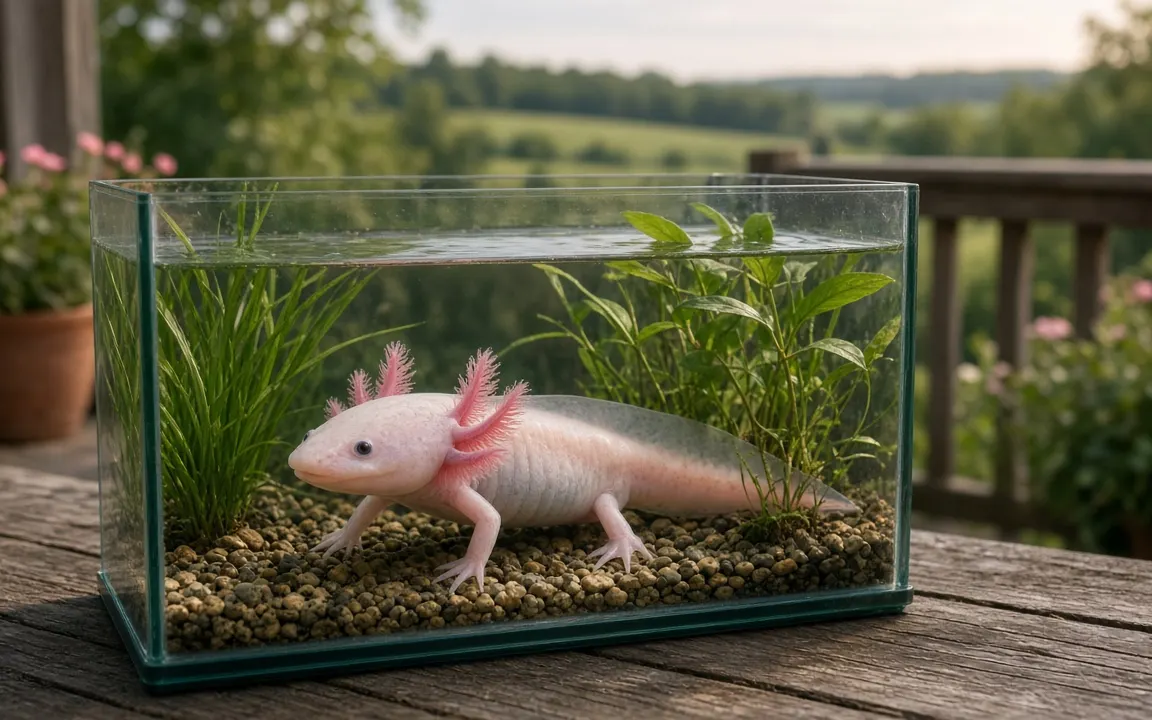
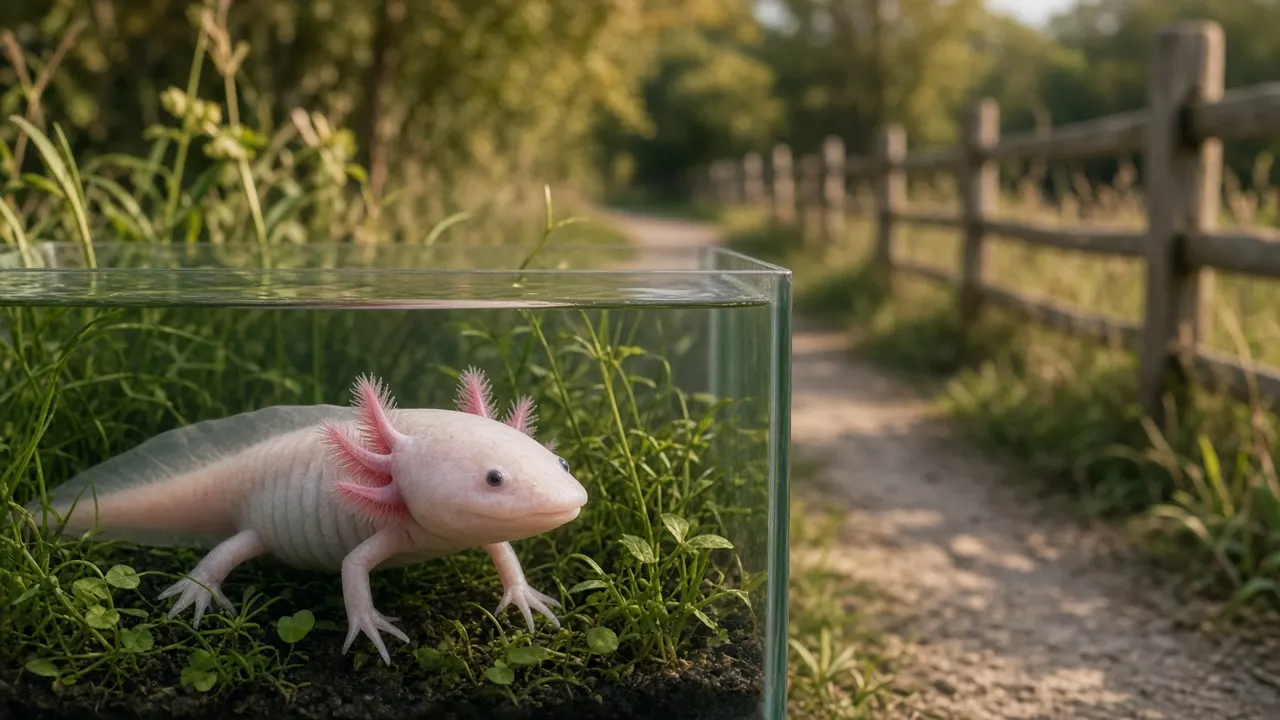
Cremation is common but not universal in Delaware, at about 59.7%[1] of people. For exotic keepers, that mix is useful: you'll find both crematories and families who bury small pets at home. Whichever feels right, think about the species. Mammals are simple; amphibians, axolotls and anything that lived in water need more care about where they end up.
For the Delaware figure we rely on NFDA 2024 Cremation & Burial Report state projections (via Occasional Sage) (2024). Read it as a picture of local custom around death and remembrance in Georgetown rather than as pet data.
Timing exotic pet aftercare in Georgetown's climate
There's no need to drive to a crematory on an icy day in January, February and December. A small exotic keeps in the freezer for weeks, so wait for clear roads. When you do travel, pack the body in a cool box so it stays frozen in the heated car, and keep your living animals' heating on a backup plan in case the power goes while you're out.
Winter is when heating failures happen. A power cut or a failed heat mat in January, February and December can chill a room of tropical exotics fast, and sugar gliders, hedgehogs and many invertebrates don't cope with cold. If you lose an animal this way, tell the vet so they can judge whether a necropsy is useful, and warm the rest of your animals gradually, not suddenly.
Prices for small and large exotics in Georgetown
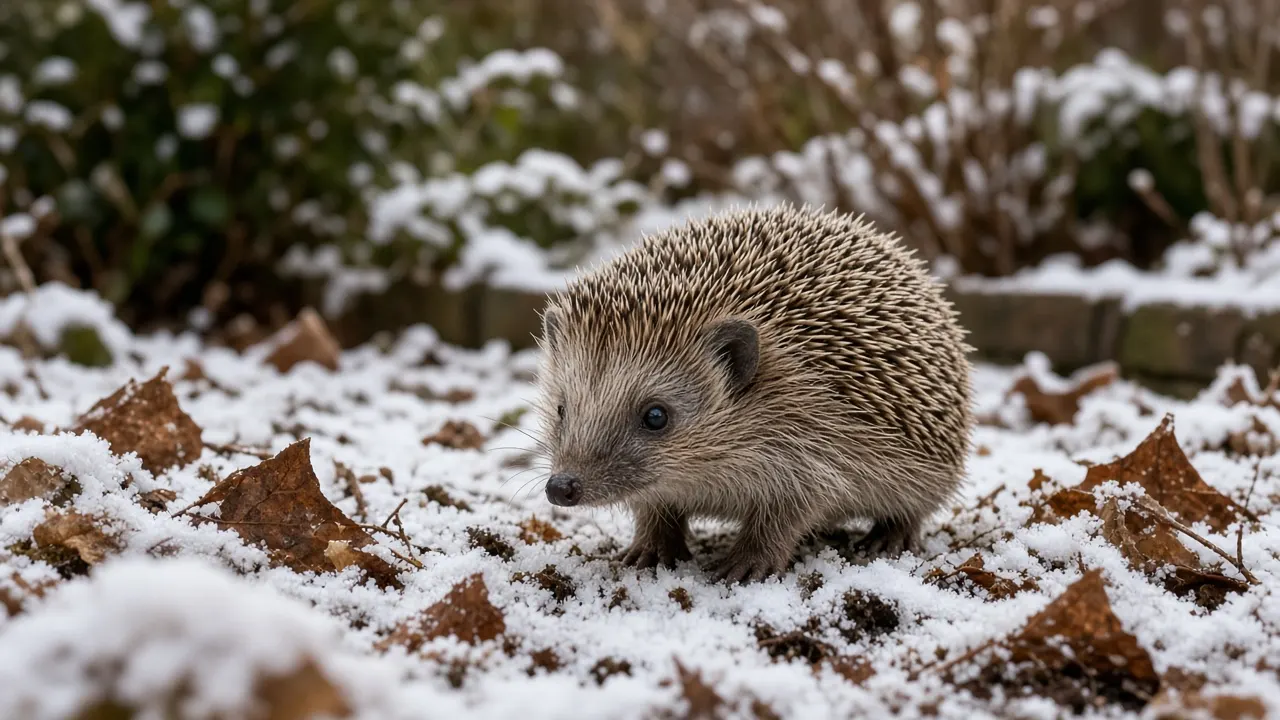
If you're weighing preservation against cremation in Georgetown, the gap is large. One freeze-dry studio lists about $950 for a hedgehog, rat or ferret[5], several times a private cremation in the lowest weight band, and preservation takes months. Some families choose cremation and put the difference toward a custom memorial; others feel a preserved animal is worth it. Both are reasonable once you know the numbers.
Rather than repeat the price table on every city page, we keep one for Delaware: Delaware costs. What each service includes is on the services page.

Free tool
Cremation cost calculator
Estimate a realistic price range for your pet's size, location and the type of cremation.
Paperwork, disposal and burial rules in Delaware
A few exotic pets carry health rules as well as wildlife ones. If a skunk or other mammal bit someone shortly before it died, health officials can require rabies testing, and that has to happen before cremation. There's no licensed rabies vaccine for pet skunks, so this comes up more than keepers expect. Otherwise, the rules that matter most in Delaware are about burial and scattering.
The official Delaware local government directory lists every county and city office, which is the quickest way to find who to ask in Georgetown.
The rules that apply across Delaware (home burial, scattering and who oversees pet cremation) are summarized on our Delaware page. Georgetown may add its own conditions, so check with the city or county before digging.
What to do when your exotic pet dies in Georgetown
- Move your pet out of the enclosure into a clean, sealed bag. Leave heating and lighting running for any tank-mates.
- Label the bag with your name, today's date, the weight and the species.
- If anyone was bitten or scratched recently, tell the vet before arranging cremation. Testing may be needed first.
- Store the body: fridge if a necropsy will happen in the next day or two, freezer if it'll be longer.
- Check your paperwork if the species needed a permit or CITES records, and whether you need to report the death.
- Book the cremation when you have a provider who knows the species well, and request a certificate that states what they were.
Ways to remember them that fit the species
Georgetown is the Sussex County seat, a small inland town laid out around The Circle, where the courthouse and county offices sit, roughly sixteen miles from the beaches at Lewes and Rehoboth. Homes range from older frame houses near the center to newer subdivisions and rural lots on the roads out toward Redden and Millsboro. When you call about collection, say whether you are inside town limits or out on a county road, and give a landmark.
Our services overview lays out every option side by side, or compare your instinct with the poll results, there are guides for the big decisions and articles for the details, use the free tools before you ring anyone. Close to Georgetown we also cover Smyrna, Milford, Wilmington and Newark; the full list for Delaware and for the United States is a click away.

Reader polls
What would you choose?
Vote anonymously and see how other readers answered. The results are live counts from people who visit this site, so they show real opinions, not a scientific sample.
Has a pet crematory ever hesitated over, or turned down, your species?
Tap an answer to vote and see how others answered. Anonymous.
How far is your nearest vet who treats your species?
Tap an answer to vote and see how others answered. Anonymous.
If you had to decide today, which aftercare would you choose for your pet?
Tap an answer to vote and see how others answered. Anonymous.

Free tools to help you plan
Cremation cost calculator
Estimate a realistic price range for your pet's size, location and the type of cremation.

Ashes weight estimator
See roughly how much ash to expect back, by species and body weight.

Aftercare options compared
Compare private, communal and water cremation with burial on cost, timing and what comes home.
Questions people ask
How does Georgetown's weather affect exotic pet aftercare?
July is the hottest month in Georgetown, with average highs around 88°F, so prompt collection matters most then. Average lows drop below freezing in January, February and December, which can make digging a grave hard until spring.
Which nearby towns can I compare with Georgetown?
The closest communities we cover are Millsboro (about 8 miles), Seaford (about 12 miles) and Milford (about 15 miles). Providers based in those places often serve Georgetown too. Ask each one for a written total that includes collection, so the distance is priced in.
How do Delaware attitudes to cremation compare?
NFDA 2024 Cremation & Burial Report state projections (via Occasional Sage) (2024) puts the Delaware human cremation rate at about 59.7%[1]. We show it on the Georgetown page because pet aftercare choices tend to track it: where cremation is normal for people, communal and private pet cremation are both easy to find.
How much does exotic pet cremation cost in Georgetown?
Most small exotics fall into a crematory's lowest weight band, so private cremation in Georgetown usually costs about what a small cat's would: roughly $100 to $175 nationally, with communal around $45 to $75. Large exotics such as wallabies are priced like big dogs. Collection, a keepsake urn and a certificate can add to the total, so ask for a written, itemised quote.
Is there a pet crematory in Georgetown, or will my pet have to travel?
In a smaller place, your pet will often travel to a regional crematory, commonly one near Georgetown, either on a vet's collection round or with you driving. That's normal and needn't worry you. Small exotics travel well, packed cold in an insulated box. Ask your vet which provider they use, how often it collects, and whether you can deliver your pet yourself if you'd rather.
How do I know I got my own pet's ashes back?
Ask how the provider keeps track of each animal. Reliable providers attach an ID disc that stays with your pet from intake to return, use a separate chamber or tray for individual cremations, and record each step. For a tiny exotic, check that only one animal is cremated at a time. A certificate that names the species and weight, not just 'pet', is another good sign.


Sources and our estimates
- [1] The NFDA projected Delaware's cremation rate at 59.7% for 2024. NFDA 2024 Cremation & Burial Report state projections (via Occasional Sage), 2024.
- [2] Pet sugar gliders live about 9-12 years; adults weigh about 85-170 g. Merck Veterinary Manual - Table: Sugar Gliders at a Glance.
- [3] African pygmy hedgehogs live an average of 4-6 years; adult males weigh 400-600 g and females 300-400 g. Merck Veterinary Manual - Overview of Hedgehogs.
- [4] Embrace notes cremated remains typically weigh about 3-5% of the pet's original body weight. Embrace Pet Insurance - Bury or Cremate Your Dog? Costs, Pros & Cons, 2025.
- [5] Freeze-drying costs about $850 for a bearded dragon, $950 for a hedgehog, rat or ferret, and $650–$1,350 for a small bird at one Ohio studio. Animal Family Pet Preservation – Pricing, 2026.
- [6] Published ashes-return times across the network's markets range from same-day (paid express) to about 4 weeks; a conservative typical window is 3-14 days. Our estimate: min/max across sources: Lambeth 3 days; US 5-10 days; RSPCA QLD within 14 days; AniCura Sweden 2-4 weeks. How we calculate.
Find a Georgetown provider who takes your species
Tell us what you need and where you are. We'll reply by email with clear options and prices so you can decide in your own time.