Exotic pet cremation in Denver
Exotic pets rarely fit a crematory's usual routine. We explain the choices in Denver plainly and can email you options from providers who handle unusual species.
- Providers who accept your species
- Honest answers on tiny amounts of ash
- Help with necropsy and permit questions
Denver, Colorado
Getting help with an unusual pet around Denver
Denver weather can swing from sunshine to snow in a day. From November to March a pet's body left outside or in a detached garage can freeze, so keep it inside in the coolest room. In July, when highs reach the 90s, heat is the bigger concern; wrap the body with ice packs and aim for collection the same day. The thin, dry air offers little protection from summer heat.
Denver's city services will pick up animals that have died in streets and alleys, but that guidance is only for those public places. If your pet dies at home, in a bungalow in Park Hill or a high-rise in LoDo, you'll need to arrange collection yourself through your vet or a private provider. Mention stairs, elevators and parking when you call, since many downtown buildings have limited loading access.
A busy crematory serving Denver may handle many pets in a single day, which makes identification the question worth asking. For a tiny exotic, ask how your pet is tracked from arrival to return: a numbered metal tag that goes through the chamber with the body, a separate tray and a log you can see on request. Providers who handle volume well are usually glad to explain their system, and some let you watch the cremation begin.
With roughly 740,613 residents, Denver is the largest of the 36 Colorado communities we cover.
If you want to compare providers, look at Lakewood (5 miles), Englewood (6 miles) and Wheat Ridge (7 miles). Distance matters because pickup fees and the time until the ashes come back both grow with the drive.
77.4%[1]
The NFDA projected Colorado's cremation rate at 77.4% for 2024.
9-12 years[2]
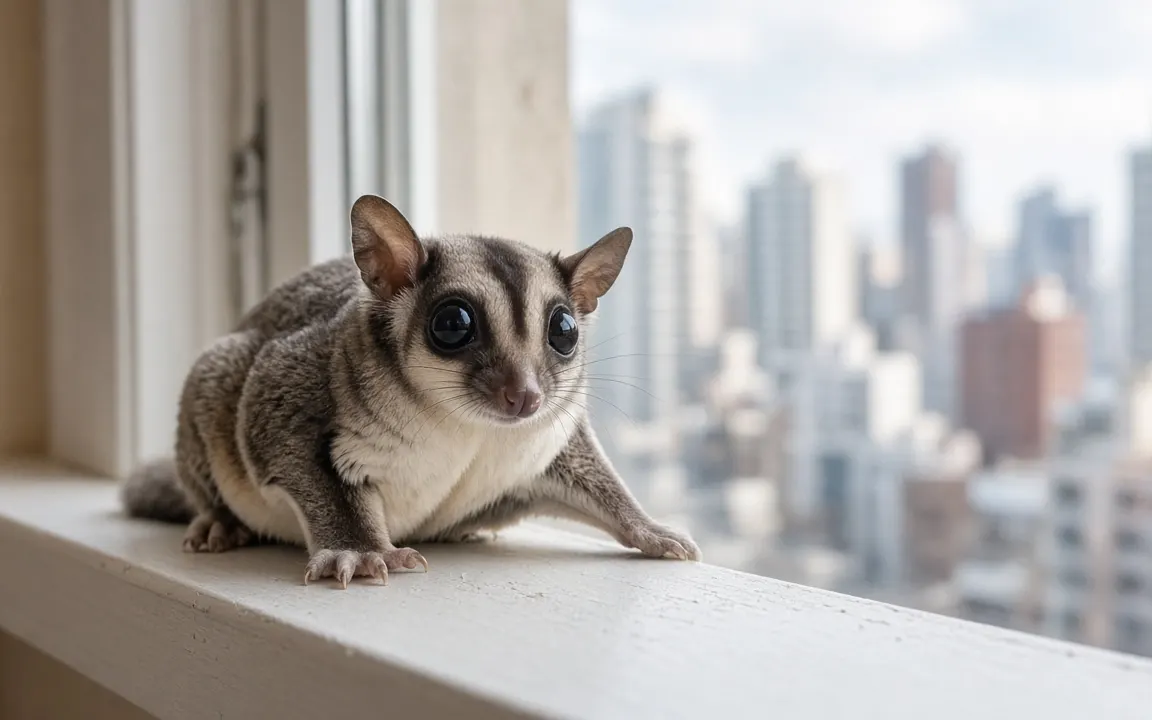
Pet sugar gliders live about 9-12 years; adults weigh about 85-170 g.
4-6 years[3]
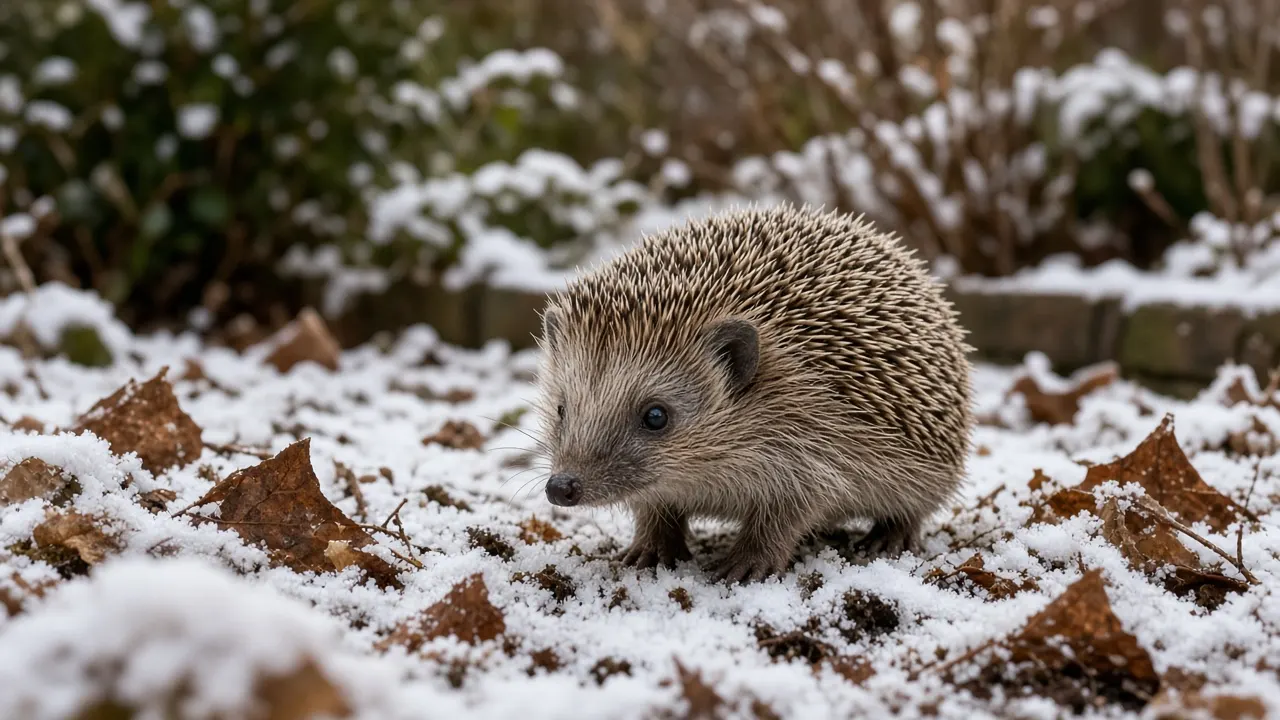
African pygmy hedgehogs live an average of 4-6 years; adult males weigh 400-600 g and females 300-400 g.
3-5% of body weight[4]
Embrace notes cremated remains typically weigh about 3-5% of the pet's original body weight.
The numbers above come from Merck Veterinary Manual and Embrace Pet Insurance, if you'd like to read the original sources.

How Colorado thinks about cremation
With about 77.4%[1] of people in Colorado choosing cremation, the idea of bringing ashes home is everyday here. For exotic pets, the more useful local question is who has done it before. Exotics vets, keeper groups and breeders are the quickest way to find the provider that treats a 100 gram animal with the same care as a 100 lb dog.
Source for the Colorado number: NFDA 2024 Cremation & Burial Report state projections (via Occasional Sage) (2024). Nobody publishes a pet cremation rate for Denver, so the human figure is the best local signal available.
Planning around the Denver weather when an exotic pet dies
There's no need to drive to a crematory on an icy day in January, February, March, November and December. A small exotic keeps in the freezer for weeks, so wait for clear roads. When you do travel, pack the body in a cool box so it stays frozen in the heated car, and keep your living animals' heating on a backup plan in case the power goes while you're out.
For larger exotics kept outside, such as wallabies, a death in January, February, March, November and December often happens in a snowy paddock. Cold slows changes to the body but doesn't stop foxes and other scavengers, so move your animal into a shed or garage and cover it. Call a provider early in the day; rural collection in winter depends on daylight and road conditions.
Budgeting for an exotic pet's cremation in Denver
Published industry ranges are wide: one US insurer lists private cremation from $100 to more than $500 and aquamation from about $80 to $450[5]. Where a Denver quote lands in that spread depends mostly on collection and extras, not on your pet's few ounces. Large exotics such as wallabies and emus are the exception; they're priced like big dogs, and some providers add a handling fee.
Prices for Denver track the wider Colorado market, so use the Colorado price table as your baseline and the services page to see what is included.

Free tool
Cremation cost calculator
Estimate a realistic price range for your pet's size, location and the type of cremation.
Rules and paperwork in Colorado
Pet cremation is lightly regulated in most places, and few laws say what a provider must put in writing. That makes your own paperwork the safeguard. Ask for a signed form naming the species, the weight, individual or communal and what will be returned, and keep it with the certificate. After that, what's left to check in Colorado is where burial and scattering are allowed.
Denver's own guidance is published by City and County of Denver; it covers public collection, which is separate from arranging a private cremation. Colorado keeps an official directory of local governments; use it to reach the county or city office that covers Denver.
The rules that apply across Colorado (home burial, scattering and who oversees pet cremation) are summarized on our Colorado page. Denver may add its own conditions, so check with the city or county before digging.
Step by step in Denver
- Take a breath. Bagged and in the freezer, a small exotic keeps safely for weeks, so nothing needs deciding tonight.
- Keep anything you'd like to hold on to now: one photo of them at home in their tank, a feather, some fur, a couple of quills or an old shed skin.
- Think about preservation first. Taxidermy, resin and freeze-drying each need the body intact, and once cremation has happened that door is closed.
- Contact a provider through your vet or directly, or send us your pet's details and we'll check who takes your species.
- Choose individual or communal, remembering that a tiny animal can leave almost no ash, or none at all.
- Decide where the remains will go: a keepsake urn, a planter, a pendant or a small burial where it's allowed.
Remembering your exotic pet in Denver
Denver pets live in lofts in RiNo, bungalows in Park Hill and new townhomes out toward the airport, and many families head into the foothills on weekends with their animals. Roughly three-quarters of Coloradans choose cremation for their own funerals, and the same habit carries over to pets. The key details to ask about are whether the cremation is private, when the ashes will be ready and what urn is included.
Our services overview lays out every option side by side, or look at how readers voted in our polls, run the numbers with the free planning tools, go deeper with the guides or catch up on recent articles. If you live between Denver and Fort Collins, Lakewood, Arvada and Thornton, either page applies. Every other community in Colorado, and all of the United States, is listed too.

Reader polls
What would you choose?
Vote anonymously and see how other readers answered. The results are live counts from people who visit this site, so they show real opinions, not a scientific sample.
If your pet is very small, what matters most about the ashes?
Tap an answer to vote and see how others answered. Anonymous.
Has a pet crematory ever hesitated over, or turned down, your species?
Tap an answer to vote and see how others answered. Anonymous.
If you had to decide today, which aftercare would you choose for your pet?
Tap an answer to vote and see how others answered. Anonymous.

Free tools to help you plan
Cremation cost calculator
Estimate a realistic price range for your pet's size, location and the type of cremation.

Ashes weight estimator
See roughly how much ash to expect back, by species and body weight.

Aftercare options compared
Compare private, communal and water cremation with burial on cost, timing and what comes home.
Questions people ask
Can a provider from a neighbouring town collect from Denver?
Usually yes. Lakewood is about 5 miles away, Englewood is about 6 miles away and Wheat Ridge is about 7 miles away, all inside a normal collection radius. Get the mileage written into the quote so there is no surprise on the day.
When is the hardest time of year to arrange a burial in Denver?
January, February, March, November and December: average lows are below freezing then, and frozen ground makes a home grave slow or impossible until it thaws. The other pressure point is July, when highs around 90°F mean a body needs cooling and collecting quickly.
Is cremation common in Colorado?
For people, yes: about 77.4%[1] of Colorado deaths end in cremation, according to NFDA 2024 Cremation & Burial Report state projections (via Occasional Sage) (2024). Nobody publishes the same figure for pets, but in our experience pet choices in Denver follow the human pattern closely, so cremation is the default most families here start from.
Do I have to report my exotic pet's death in Colorado?
For most unregulated species, like hedgehogs or sugar gliders where they're legal, no. If you kept your pet under a state or local permit, or it's a protected species with registration papers, the permit conditions may require you to report the death or return documents. Read your permit or call the issuing wildlife agency.
Do tarantulas and other invertebrates leave ashes?
Usually not in any meaningful amount. Invertebrates have an exoskeleton made of chitin rather than bone, and it burns away almost completely. Many keepers choose a resin piece, a display case or a framed molt instead. If individual cremation matters to you for its meaning, ask the provider to tell you honestly what, if anything, will come back.
Does pet insurance pay for exotic pet cremation?
Usually not. Most standard policies treat cremation as outside cover, even when they pay for a medically necessary euthanasia[7], and plenty of insurers won't cover exotic species in the first place. A few add-ons pay toward cremation or keepsakes. If you hold an exotic pet policy, look through its end-of-life wording before booking, and keep itemized receipts in case a claim is possible.


Sources and our estimates
- [1] The NFDA projected Colorado's cremation rate at 77.4% for 2024. NFDA 2024 Cremation & Burial Report state projections (via Occasional Sage), 2024.
- [2] Pet sugar gliders live about 9-12 years; adults weigh about 85-170 g. Merck Veterinary Manual - Table: Sugar Gliders at a Glance.
- [3] African pygmy hedgehogs live an average of 4-6 years; adult males weigh 400-600 g and females 300-400 g. Merck Veterinary Manual - Overview of Hedgehogs.
- [4] Embrace notes cremated remains typically weigh about 3-5% of the pet's original body weight. Embrace Pet Insurance - Bury or Cremate Your Dog? Costs, Pros & Cons, 2025.
- [5] Embrace Pet Insurance lists US communal cremation at $30-$200, partitioned at $50-$250, private at $100-$500+ and aquamation at $80-$450. Embrace Pet Insurance - Bury or Cremate Your Dog? Costs, Pros & Cons, 2025.
- [6] Private pet aquamation costs about 2.5 times communal aquamation at the same provider. Our estimate: mean of tier ratios 150/50, 200/75, 250/100, 350/150, 450/225. How we calculate.
- [7] Embrace says standard pet insurance typically does not cover cremation, while euthanasia can be covered if medically necessary for a covered condition; cremation is an eligible expense under its optional Wellness Rewards. Embrace Pet Insurance - Bury or Cremate Your Dog? Costs, Pros & Cons, 2025.
Tell us about your exotic pet
Tell us what you need and where you are. We'll reply by email with clear options and prices so you can decide in your own time.