Arranging exotic pet aftercare in Fairbanks
Whether your companion weighed 90 grams or 40 pounds, you deserve a provider who knows the species. This page covers Fairbanks prices, storage, paperwork and honest expectations about ashes.
- Fridge or freezer advice for Fairbanks
- Written prices for small and large exotics
- Pickup from your home or exotics vet
Fairbanks, Alaska
Finding a provider for an unusual pet in Fairbanks
Summer in Fairbanks brings nearly round-the-clock daylight, and people make the most of it along the Chena River, at Creamer's Field and on the trails around the university. Those long evenings are often where the memories of a pet live, and many families keep ashes until the following summer to scatter them somewhere green. Wildfire smoke can close in during dry summers, so a scattering plan is worth keeping flexible.
With January lows well below zero and the ground frozen from October into spring, backyard burial is simply not possible for much of the year in Fairbanks. That is one reason many families here choose cremation, or keep their pet cold and safe until the ground thaws. If a pet dies in deep winter, a garage or unheated shed will hold the body, but ask a vet or provider about timing before assuming you can wait until breakup.
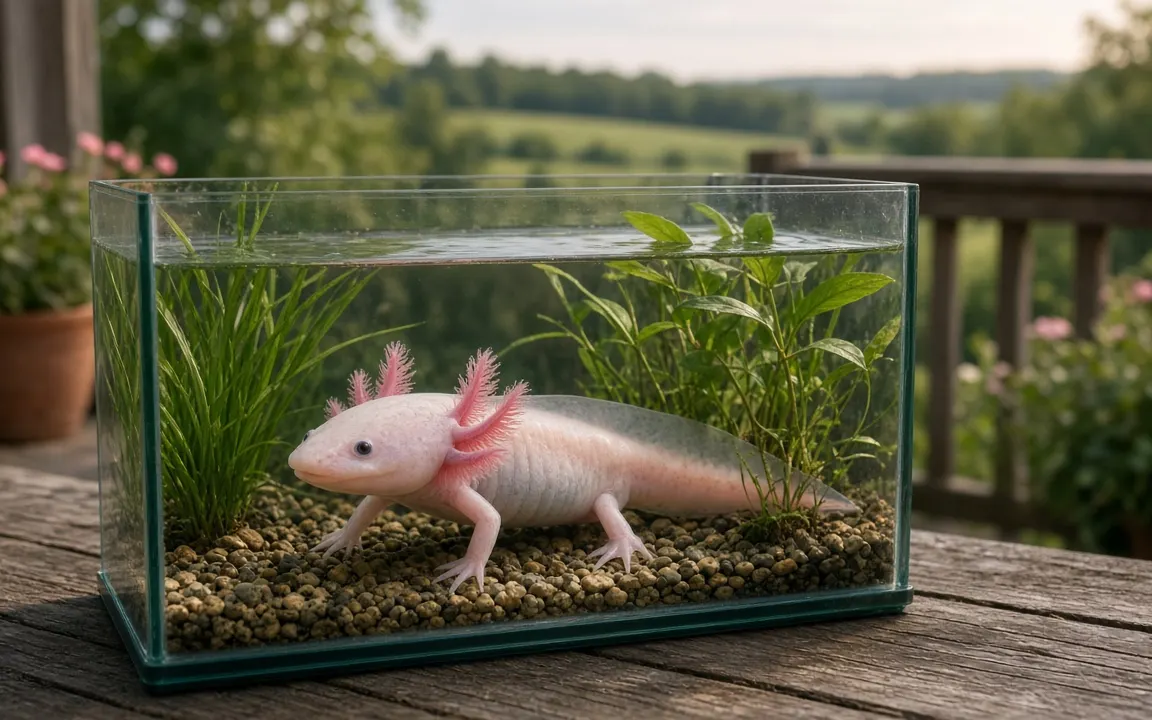
Rural keepers around Fairbanks often have land, and home burial of a small mammal is common. Bury deep enough that wildlife won't dig, away from wells and streams, and check local rules first. For amphibians, axolotls and anything that lived in water, bury well away from ponds and ditches or choose cremation, because amphibian diseases travel through water to wild populations.
Fairbanks's population is around 31,468, the 3rd-largest of the 10 Alaska communities we cover.
74.1%[1]
The NFDA projected Alaska's cremation rate at 74.1% for 2024.
9-12 years[2]
Pet sugar gliders live about 9-12 years; adults weigh about 85-170 g.
4-6 years[3]
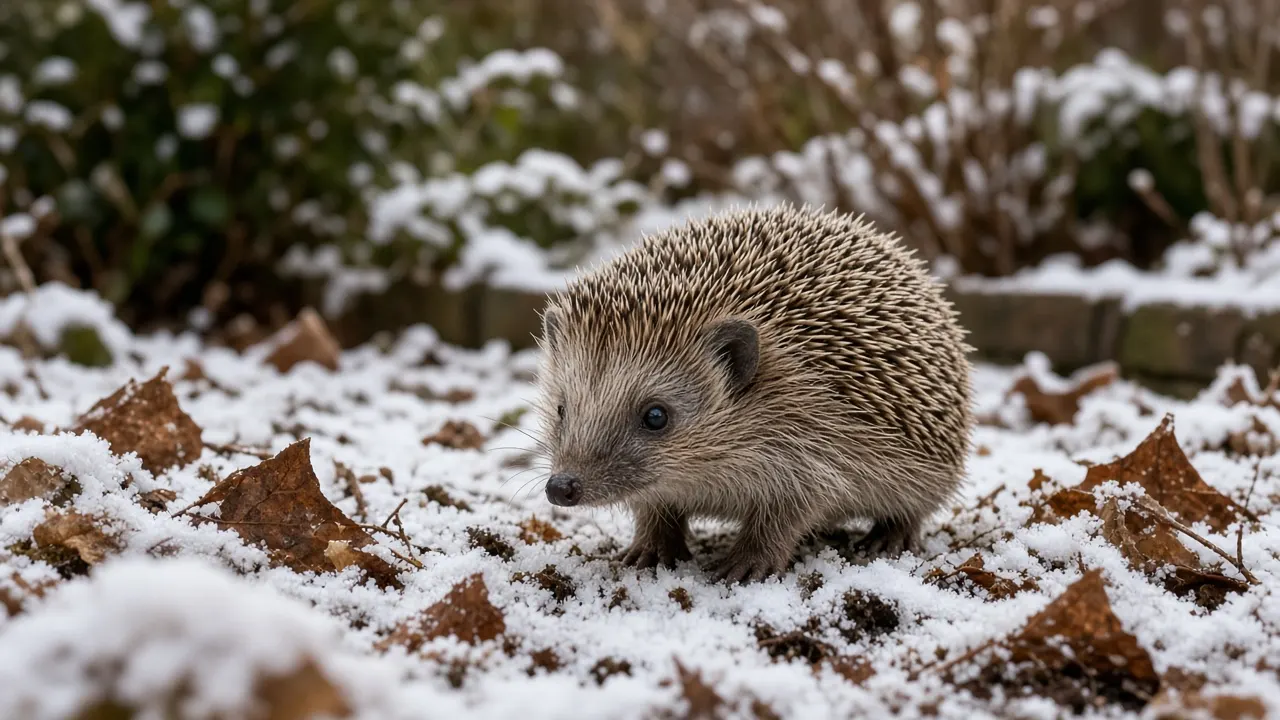
African pygmy hedgehogs live an average of 4-6 years; adult males weigh 400-600 g and females 300-400 g.
3-5% of body weight[4]
Embrace notes cremated remains typically weigh about 3-5% of the pet's original body weight.
We built the this numbers from Embrace Pet Insurance and Merck Veterinary Manual, and both are worth a look if you want the detail.
Cremation habits in Alaska, and what they mean for keepers
Where cremation is as routine as it is in Alaska (roughly 74.1%[1] of human funerals), pet crematories are more likely to have a viewing room or let you be present as the cremation starts. Keepers of unusual pets often find this reassuring, because it removes any doubt about whether a tiny animal was handled on its own. If you'd like to attend, ask when you book, since it usually needs a set appointment.
The Alaska figure comes from NFDA 2024 Cremation & Burial Report state projections (via Occasional Sage) (2024). It describes people, not pets, so read it as a sign of local attitudes rather than a pet statistic.
Timing exotic pet aftercare in Fairbanks's climate
Don't leave a body outside to keep it cold in Fairbanks's winter, even in a box. Freezing and thawing damages tissue, wildlife can reach it and a sudden warm day undoes it all. A sealed bag in a freezer is steadier, and if a necropsy is wanted, the fridge is right for the first day or two.
For larger exotics kept outside, such as wallabies, a death in January, February, March, April, October, November and December often happens in a snowy paddock. Cold slows changes to the body but doesn't stop foxes and other scavengers, so move your animal into a shed or garage and cover it. Call a provider early in the day; rural collection in winter depends on daylight and road conditions.
What exotic pet cremation costs in Fairbanks
Crematories price by weight band, and the lowest band usually runs up to 10 or 30 lb, so a 150 gram glider can cost the same as a small cat. Nationally, pets up to 30 lb typically run $45 to $75 for communal and $100 to $175 for private cremation[5]. Fairbanks providers will sit around those figures, more with home collection, a certificate or a special keepsake urn.
The Alaska price table breaks costs down by size; our services page explains what sits behind each line.

Free tool
Cremation cost calculator
Estimate a realistic price range for your pet's size, location and the type of cremation.
What Alaska expects after an exotic pet dies
Never flush a dead axolotl, frog, fish or invertebrate, and never empty its tank water into a garden, pond or storm drain. Amphibian chytrid fungus and other diseases spread this way, and released animals, even dead ones, can carry invasive organisms. Beyond that common-sense rule, here is what Alaska says about burial and scattering.
Alaska keeps an official directory of local governments; use it to reach the county or city office that covers Fairbanks.
Home burial and scattering are governed at the Alaska level first; our Alaska rules summary has the detail. Then check whether Fairbanks or your HOA adds anything.
A practical checklist for Fairbanks keepers
- Make sure your other animals are safe. If heating, cooling or water was the cause, put that right before anything else.
- Wrap your pet in paper towel, then seal it in a bag, which keeps delicate skin, scales or fur from coming loose.
- Call your exotics vet for advice on a necropsy; it matters most when one animal in a colony has died for no obvious reason.
- Don't bury or dispose of an amphibian or aquatic pet near water, and don't pour tank water outside.
- Ask two providers for a written quote, telling each the species and weight, plus length for a bigger animal.
- Arrange delivery or collection, and keep the body cool on the way.
- Let yourself grieve. Caring for an unusual animal takes real knowledge and time, and that loss is real.
Memorials that suit an unusual companion
Fairbanks sits in Alaska's Interior, roughly 360 road miles from Anchorage up the Parks Highway, so the practical questions about a pet's aftercare are local ones. Many households live on wooded lots or dry cabins out along the Chena and Goldstream roads rather than in town, and winter driving on ice in the dark changes how quickly anyone can collect. Anyone you contact will want to know how far out you are, whether your road is plowed, and if you have a vehicle that can carry your pet into town.
or see how other readers answered in our polls, the guides answer the longer questions and the blog the newer ones, run the numbers with the free planning tools, Compare every option on our services page. If you live between Fairbanks and Anchorage, Wasilla, Kenai and Juneau, either page applies. Every other community in Alaska, and all of the United States, is listed too.

Reader polls
What would you choose?
Vote anonymously and see how other readers answered. The results are live counts from people who visit this site, so they show real opinions, not a scientific sample.
Would you want a necropsy (an animal post-mortem) before cremation?
Tap an answer to vote and see how others answered. Anonymous.
If your pet is very small, what matters most about the ashes?
Tap an answer to vote and see how others answered. Anonymous.
If you had to decide today, which aftercare would you choose for your pet?
Tap an answer to vote and see how others answered. Anonymous.

Free tools to help you plan
Cremation cost calculator
Estimate a realistic price range for your pet's size, location and the type of cremation.

Ashes weight estimator
See roughly how much ash to expect back, by species and body weight.

Aftercare options compared
Compare private, communal and water cremation with burial on cost, timing and what comes home.
Questions people ask
Does the Fairbanks climate change what I should do first?
Only the timing. In July, with highs near 71°F, cool the body and book collection the same day. In January, February, March, April, October, November and December, when lows sit below freezing, a home burial may have to wait for a thaw, so cremation with ashes returned keeps your options open.
Is cremation common in Alaska?
For people, yes: about 74.1%[1] of Alaska deaths end in cremation, according to NFDA 2024 Cremation & Burial Report state projections (via Occasional Sage) (2024). Nobody publishes the same figure for pets, but in our experience pet choices in Fairbanks follow the human pattern closely, so cremation is the default most families here start from.
Does pet insurance pay for exotic pet cremation?
Usually not. Most standard policies treat cremation as outside cover, even when they pay for a medically necessary euthanasia[7], and plenty of insurers won't cover exotic species in the first place. A few add-ons pay toward cremation or keepsakes. If you hold an exotic pet policy, look through its end-of-life wording before booking, and keep itemized receipts in case a claim is possible.
Should I put my exotic pet in the fridge or the freezer?
It depends on what you want next. For a necropsy (an animal post-mortem), refrigerate and get to the vet within a day or two, because freezing damages tissue. For freeze-drying or taxidermy, freeze promptly. For cremation only, either works; the freezer gives you more time to find the right provider in Fairbanks.
My exotic pet died while I was on vacation. What now?
Ask whoever is caring for your animals to bag your pet securely, note the date on it, and put it in the fridge if you'll be home within a day or two, or the freezer if longer. Have them check the enclosure and your other animals. Aftercare can almost always wait until you're back, so you can choose the provider yourself.
Do I have to report my exotic pet's death in Alaska?
For most unregulated species, like hedgehogs or sugar gliders where they're legal, no. If you kept your pet under a state or local permit, or it's a protected species with registration papers, the permit conditions may require you to report the death or return documents. Read your permit or call the issuing wildlife agency.


Sources and our estimates
- [1] The NFDA projected Alaska's cremation rate at 74.1% for 2024. NFDA 2024 Cremation & Burial Report state projections (via Occasional Sage), 2024.
- [2] Pet sugar gliders live about 9-12 years; adults weigh about 85-170 g. Merck Veterinary Manual - Table: Sugar Gliders at a Glance.
- [3] African pygmy hedgehogs live an average of 4-6 years; adult males weigh 400-600 g and females 300-400 g. Merck Veterinary Manual - Overview of Hedgehogs.
- [4] Embrace notes cremated remains typically weigh about 3-5% of the pet's original body weight. Embrace Pet Insurance - Bury or Cremate Your Dog? Costs, Pros & Cons, 2025.
- [5] CareCredit's pet cremation guide lists US communal cremation at $45-$75 and private at $100-$175 for pets up to 30 lb. CareCredit (Synchrony) - How Much Does Pet Cremation Cost? (Sept 2023), 2023.
- [6] Posted surcharges to witness or view a pet cremation range from $25 to $350, with a median of about $125 across four data points. Our estimate: median of [$25 guide low, $100 guide high, $150 NC provider, $350 VA provider]. How we calculate.
- [7] Embrace says standard pet insurance typically does not cover cremation, while euthanasia can be covered if medically necessary for a covered condition; cremation is an eligible expense under its optional Wellness Rewards. Embrace Pet Insurance - Bury or Cremate Your Dog? Costs, Pros & Cons, 2025.
Get Fairbanks prices for your unusual pet
Tell us what you need and where you are. We'll reply by email with clear options and prices so you can decide in your own time.