Exotic pet cremation in Nagoya
Keepers of unusual pets in Nagoya often hear 'we don't do those' first. Here's how to find a yes, what it should cost and what will realistically come home.
- Hedgehogs, gliders, amphibians, spiders
- Individual cremation, confirmed in writing
- Preservation options explained first
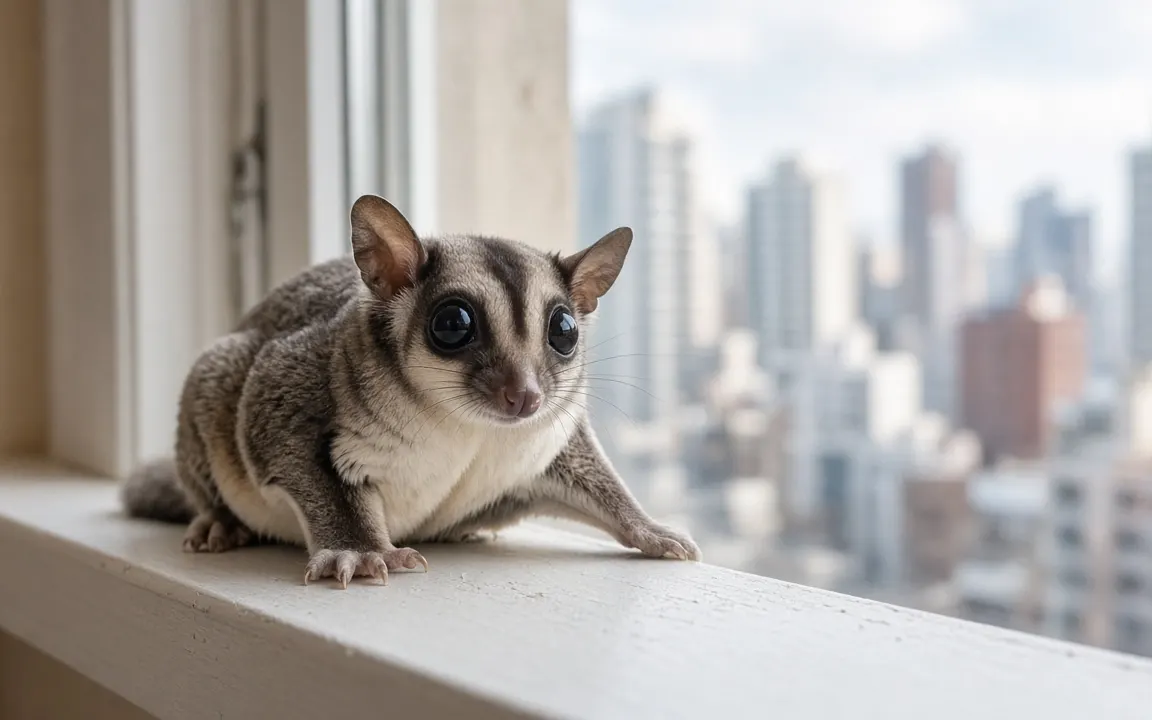
Nagoya, Aichi
What arranging exotic pet cremation in Nagoya is like
Nagoya is Japan's car city, at the heart of Aichi's auto industry, and more households here drive than in Tokyo or Osaka. That means many families take their pet to a crematorium themselves, though home collection and mobile cremation vehicles are also available. Homes range from apartments near Sakae to detached houses in the eastern hills. Share your ward and whether you'd like to travel or have your pet collected.
Many Nagoya owners remember their pet most in a particular place: a sunny window, a small garden in the eastern suburbs, or the grounds around Nagoya Castle, Tsuruma Park or the Higashiyama hills. Japanese pet aftercare is well established, and a cremation where the family attends and gathers the bones is common. If you'd prefer something quieter, ashes returned in an urn is equally respectful.
Some Nagoya crematories will cremate a hedgehog without blinking but hesitate over a tarantula or a venomous species, usually because they aren't sure what will remain or whether any paperwork applies. That hesitation isn't a refusal. Explain what you want and why, and ask if they've handled invertebrates or amphibians before; the honest ones will tell you plainly if another provider would suit you better.
Nagoya's population is around 2,296,000.
Nagoya sits within easy reach of Hamamatsu (57 miles), Kyoto (65 miles) and Nara (71 miles). A provider based in any of them will usually collect from Nagoya; ask what the mileage adds to the bill.
99.97%[1]
In 2023, 99.97% of deaths in Japan were cremated (1364 crematoria).
9-12 years[2]
Pet sugar gliders live about 9-12 years; adults weigh about 85-170 g.
4-6 years[3]
African pygmy hedgehogs live an average of 4-6 years; adult males weigh 400-600 g and females 300-400 g.
3-5% of body weight[4]
Embrace notes cremated remains typically weigh about 3-5% of the pet's original body weight.
None of the figures on this this page are ours alone: they rest on Merck Veterinary Manual and Merck Veterinary Manual.
Cremation habits in Japan, and what they mean for keepers
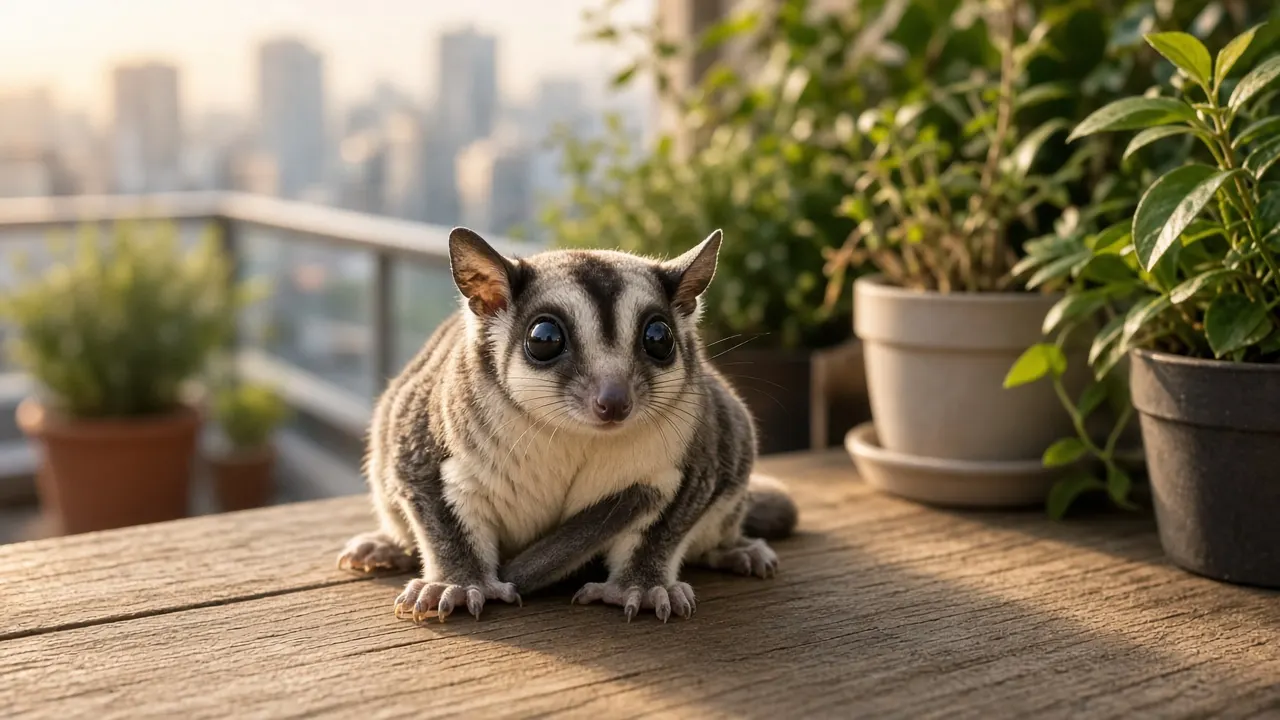
With about 99.97%[1] of people in Japan choosing cremation, the idea of bringing ashes home is everyday here. For exotic pets, the more useful local question is who has done it before. Exotics vets, keeper groups and breeders are the quickest way to find the provider that treats a 100 gram animal with the same care as a 100 lb dog.
The Japan percentage above is from Cremation Society of Great Britain, International Cremation Statistics 2023 (2023) and refers to human funerals. Treat it as context for Nagoya, not as a count of pets.
Seasons in Nagoya and the first hours after a loss
If you don't know how warm or cold your animal room gets, a cheap min-max thermometer tells you more than any forecast. After a loss, write down the reading. It helps your vet judge whether heat or cold played a part, and it protects the animals still in your care in Nagoya.
How much to budget in Nagoya, from gliders to wallabies
Exotic pets are regulated closely in parts of Asia, and providers may ask about the species. Prices for small pets are usually published by weight band; the table shows examples from the region. Ask Nagoya providers for a written quote that lists the cremation, the ceremony if any and the container.
Prices for Nagoya track the wider Aichi market, so use the Aichi price table as your baseline and the services page to see what is included.

Free tool
Cremation cost calculator
Estimate a realistic price range for your pet's size, location and the type of cremation.
Rules and paperwork in Aichi
Invasive-species laws are written for living animals, but the reasoning applies after a death too. Anything from an enclosure that could carry a non-native parasite, fungus or seed, such as substrate, tank water or live plants, shouldn't be dumped outdoors. Bag it for household waste, or ask your vet. The notes for Aichi below cover burial and scattering of your pet itself.
In Japan, pet funerals are an established tradition, and exotic animals are common enough that one University of Tokyo study found they made up 20.5%[6] of its necropsy cases. Some species are banned under the Invasive Alien Species Act. For small pets, ask whether the ashes are returned (返骨), since some municipal routes don't return remains.
Step by step in Nagoya
- For a large exotic kept outdoors, move other animals away first and check the paddock or enclosure for hazards or signs of what happened.
- Cover the body and keep it in shade, off the ground if you can, and out of reach of scavengers.
- Note the weight and full length, including tail. These decide the chamber size and handling a provider needs.
- Call providers used to giant-breed dogs or livestock first, then find out if they'll come to you, how many staff come and what kind of access they need.
- Check your paperwork. Many larger exotics are held under a permit or licence whose conditions can include notifying the issuer of a death.
- Arrange collection or delivery the same or next day; a body that size can't go in a household freezer.
- Ask what will come back. A big animal leaves a full urn's worth, nothing like a glider, so pick a container sized for that.
Memorials that suit an unusual companion
Nagoya's summers are hot and humid, often among the hottest of Japan's big cities, with the rainy season in June and July and typhoons into autumn. A pet's body needs cooling within hours: wrap your pet in a towel, place ice packs near the belly and back, and keep the room air-conditioned. Winters are cold but mostly dry, giving you a little more time, though arranging aftercare in the next day or so is still advisable.
or compare your instinct with the poll results, The services page is the place to compare what is included, look through our guides and the blog, use the free tools before you ring anyone. the full list for Aichi and for Japan is a click away.

Reader polls
What would you choose?
Vote anonymously and see how other readers answered. The results are live counts from people who visit this site, so they show real opinions, not a scientific sample.
How far is your nearest vet who treats your species?
Tap an answer to vote and see how others answered. Anonymous.
Would you want a necropsy (an animal post-mortem) before cremation?
Tap an answer to vote and see how others answered. Anonymous.
If you had to decide today, which aftercare would you choose for your pet?
Tap an answer to vote and see how others answered. Anonymous.

Free tools to help you plan
Cremation cost calculator
Estimate a realistic price range for your pet's size, location and the type of cremation.
Ashes weight estimator
See roughly how much ash to expect back, by species and body weight.

Aftercare options compared
Compare private, communal and water cremation with burial on cost, timing and what comes home.
Questions people ask
Can a provider from a neighbouring town collect from Nagoya?
Usually yes. Hamamatsu is about 57 miles away, Kyoto is about 65 miles away and Nara is about 71 miles away, all inside a normal collection radius. Get the mileage written into the quote so there is no surprise on the day.
How do Japan attitudes to cremation compare?
Cremation Society of Great Britain, International Cremation Statistics 2023 (2023) puts the Japan human cremation rate at about 99.97%[1]. We show it on the Nagoya page because pet aftercare choices tend to track it: where cremation is normal for people, communal and private pet cremation are both easy to find.
My pet died after being bought recently. Should I contact the breeder?
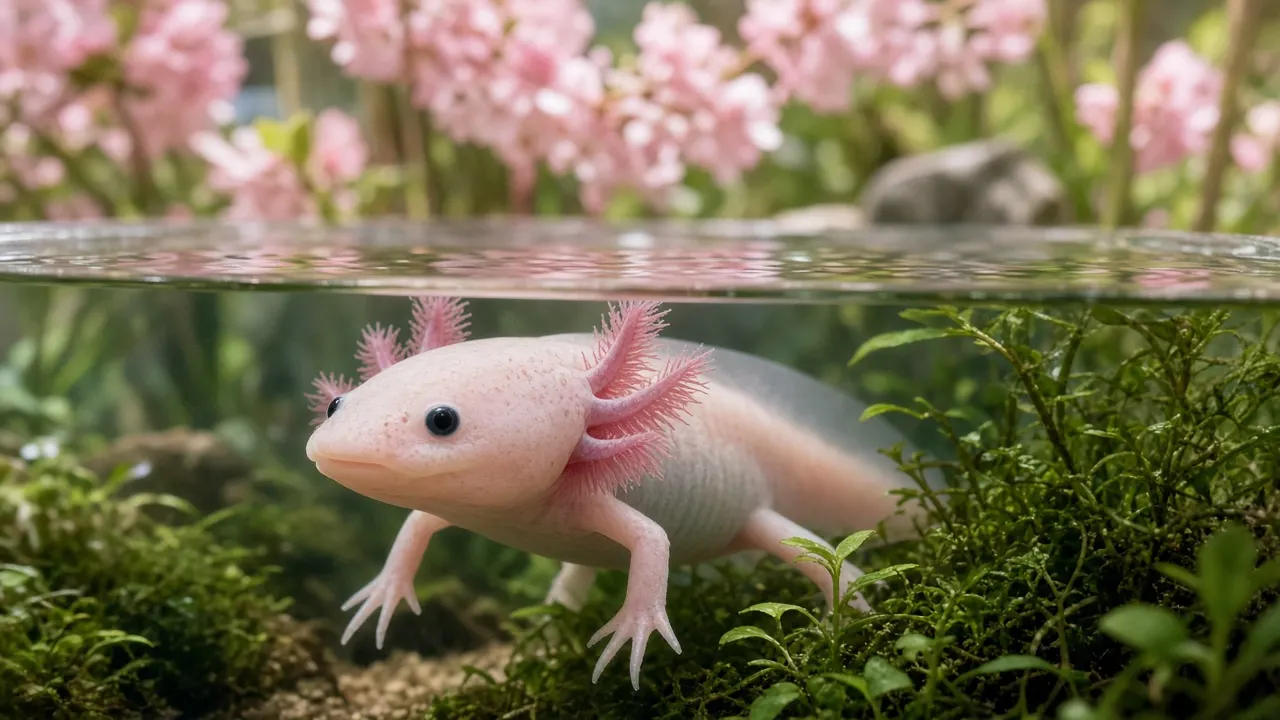
It's worth it. Reputable breeders of gliders, hedgehogs and axolotls often want to know about early deaths, may offer advice on a necropsy and sometimes have health guarantees that require one. Keep the body refrigerated, not frozen, until you've spoken to them and your vet.
Is it safe to bury an axolotl or amphibian in my garden in Nagoya?
It can be, where local rules allow, but bury well away from ponds, streams, ditches and drains. Amphibian diseases such as chytrid fungus spread through water and can harm wild frogs and salamanders. Never flush an amphibian or pour its tank water outside. Cremation removes the risk entirely, even if little ash comes back.
Can I preserve my pet instead of cremating in Nagoya?
Yes. Freeze-drying, taxidermy and resin work are offered in many countries, though often by only a handful of specialists. Freeze your pet promptly in a sealed bag, and don't book a cremation until you've decided, since preservation needs the whole body. Ask any studio for examples of the same species.
How much does exotic pet cremation cost in Nagoya?
Providers price by weight, and almost every exotic pet falls into the smallest band, so expect a price close to a small cat's individual cremation in your country. Communal cremation is much cheaper. Ask Nagoya providers for their smallest-band price, whether collection is included and what container the remains come back in.


Sources and our estimates
- [1] In 2023, 99.97% of deaths in Japan were cremated (1364 crematoria). Cremation Society of Great Britain, International Cremation Statistics 2023, 2023.
- [2] Pet sugar gliders live about 9-12 years; adults weigh about 85-170 g. Merck Veterinary Manual - Table: Sugar Gliders at a Glance.
- [3] African pygmy hedgehogs live an average of 4-6 years; adult males weigh 400-600 g and females 300-400 g. Merck Veterinary Manual - Overview of Hedgehogs.
- [4] Embrace notes cremated remains typically weigh about 3-5% of the pet's original body weight. Embrace Pet Insurance - Bury or Cremate Your Dog? Costs, Pros & Cons, 2025.
- [5] Posted surcharges to witness or view a pet cremation range from $25 to $350, with a median of about $125 across four data points. Our estimate: median of [$25 guide low, $100 guide high, $150 NC provider, $350 VA provider]. How we calculate.
- [6] At the University of Tokyo, exotic animals made up 20.5% of necropsy cases in 2006-2020, and the median age at death of necropsied dogs rose from 2 years (1903-1914) to 10 years. Nakayama H et al. Chronological transition of necropsy cases of animals in Tokyo, Japan. J Vet Med Sci, 2023 (PMID 36385043), 2023.
Ask us to check providers near Nagoya
Tell us what you need and where you are. We'll reply by email with clear options and prices so you can decide in your own time.