Saying goodbye to an exotic pet in Halifax
Before you call anyone in Halifax, decide one thing: do you want a necropsy, preservation or cremation? It changes whether your pet goes in the fridge or the freezer.
- Hedgehogs, gliders, amphibians, spiders
- Individual cremation, confirmed in writing
- Preservation options explained first
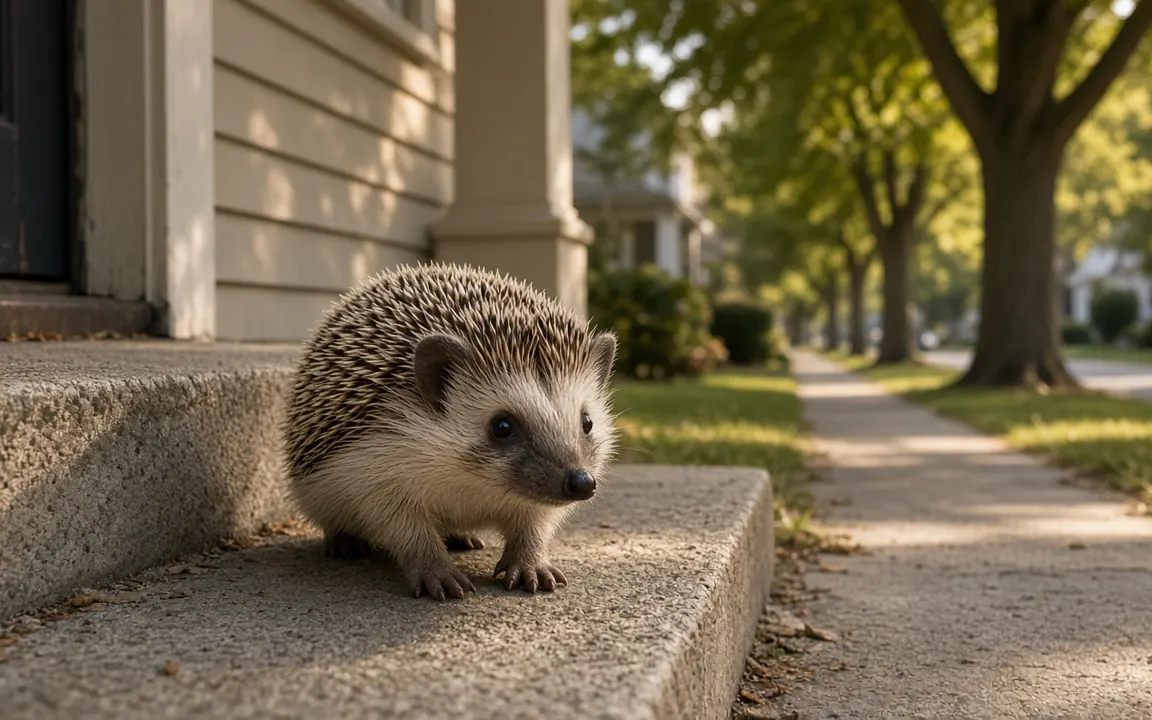
Halifax, Nova Scotia
Getting help with an unusual pet around Halifax
Many Halifax pets live in older homes with narrow staircases, and plenty of people rent in multi-unit buildings on the peninsula. If you are on an upper floor, mention the stairs and where a vehicle can park. Your vet is often the easiest starting point, since most clinics here arrange cremation, but you can also request quotes directly if you want to choose a provider yourself.
Halifax covers a huge area, from peninsula apartments and older wooden houses in the North End to suburban Dartmouth, Bedford and Sackville, and rural communities along the Eastern Shore. That spread matters for aftercare, because a pickup downtown and one in a coastal village an hour away are very different trips. Give your community name as well as your street address when you ask for options, and ask what travel costs apply.
If providers in Halifax are unsure, look a little further. Crematories serving Nova Scotia may also cover Halifax, and some are more used to small animals than others. Small exotics travel easily in a cool box, so a 30-minute drive to a provider who says yes confidently is often better than a nearby one who seems uncertain.
Halifax's population is around 439,000.
81.1%[1]
CANA projects the Canadian cremation rate will reach 81.1% by 2030.
9-12 years[2]
Pet sugar gliders live about 9-12 years; adults weigh about 85-170 g.
4-6 years[3]
African pygmy hedgehogs live an average of 4-6 years; adult males weigh 400-600 g and females 300-400 g.
3-5% of body weight[4]
Embrace notes cremated remains typically weigh about 3-5% of the pet's original body weight.
The numbers above come from Embrace Pet Insurance and Merck Veterinary Manual, if you'd like to read the original sources.

How Canada thinks about cremation
Cremation is the norm for people in Canada: about 81.1%[1] of people who die there are cremated. That usually means well-established pet crematories and staff who are comfortable talking about ashes. It doesn't guarantee they've handled a glider or a spider, though. A high local cremation rate makes it more likely you'll find a provider nearby; the species question still has to be asked directly.
The Canada figure comes from CANA Industry Statistical Information (2030). It describes people, not pets, so read it as a sign of local attitudes rather than a pet statistic.
Timing exotic pet aftercare in Halifax's climate
Local weather affects two things for exotic pets: how fast a small body needs chilling, and how well your remaining animals' enclosures cope with heat or cold. If a death followed a power cut or a heating or cooling failure, tell your vet and check every other animal before you turn to aftercare.
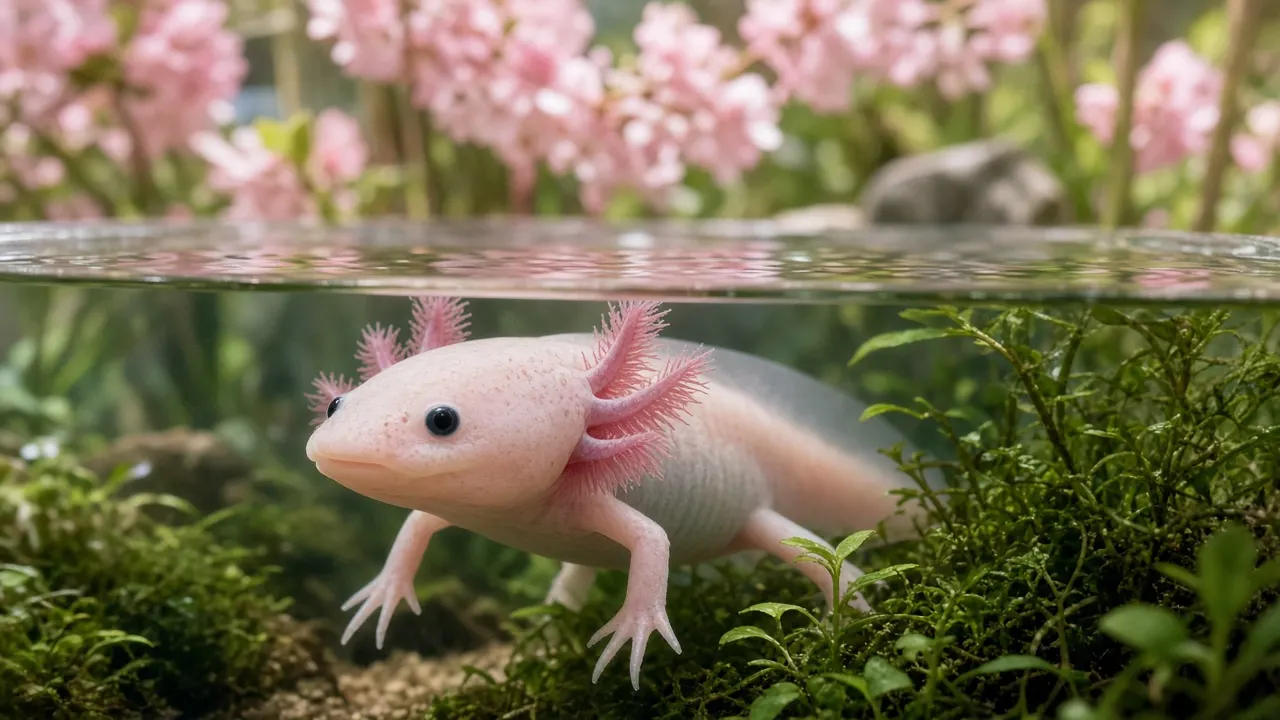
Why a tiny pet doesn't always mean a tiny bill in Halifax
Water cremation is legal for people in several provinces and territories[5], and pet aquamation is offered in parts of the country too. For a small amphibian or a glider, ask Halifax providers whether they offer it, how it's priced for the lowest weight band and whether it returns more bone than flame for a very small animal. Get the quote in writing with tax shown separately.
We keep the detailed Nova Scotia price table on one page so it stays current: see Nova Scotia prices.

Free tool
Cremation cost calculator
Estimate a realistic price range for your pet's size, location and the type of cremation.
What Nova Scotia expects after an exotic pet dies
Never flush a dead axolotl, frog, fish or invertebrate, and never empty its tank water into a garden, pond or storm drain. Amphibian chytrid fungus and other diseases spread this way, and released animals, even dead ones, can carry invasive organisms. Beyond that common-sense rule, here is what Nova Scotia says about burial and scattering.
Across Canada, which exotic species may be kept is set by provinces and often by cities, and some municipalities ban animals that are legal a few kilometres away. If your pet was held under a permit, check whether you need to report the death. Winter matters too: frozen ground makes home burial impractical for months, so many keepers freeze or cremate and wait for spring.
The Nova Scotia page sets out who oversees pet cremation and what the state says about burial and scattering. Halifax's own bylaws can sit on top of that, so ask before you dig.
Step by step in Halifax
- Make sure your other animals are safe. Fix the heat, cooling or water problem if there was one.
- Wrap your pet in paper towel, then seal it in a bag, so fine fur, scales or skin stay together.
- Call your exotics vet and ask whether they'd recommend a necropsy, especially after an unexplained death in a colony.
- Don't bury or dispose of an amphibian or aquatic pet near water, and don't pour tank water outside.
- Ask two providers for a written quote, giving species, weight and length for a larger animal.
- Arrange delivery or collection, and keep the body cool on the way.
- Let yourself grieve. Caring for an unusual animal takes real knowledge and time, and that loss is real.
Memorials that suit an unusual companion
Halifax weather is changeable, with fog off the harbour, heavy snow and ice in winter, and the occasional post-tropical storm in late summer and fall. A snowbound driveway or icy front steps can make a collection harder, so clearing a path helps. The ground also stays frozen for much of the winter, which rules out backyard burial until spring, so cremation is the usual choice then.
or see what other families chose in the poll results, go deeper with the guides or catch up on recent articles, use the free tools before you ring anyone, For a plain comparison of the choices, open services. Every other community in Nova Scotia, and all of Canada, is listed too.

Reader polls
What would you choose?
Vote anonymously and see how other readers answered. The results are live counts from people who visit this site, so they show real opinions, not a scientific sample.
If your pet is very small, what matters most about the ashes?
Tap an answer to vote and see how others answered. Anonymous.
Has a pet crematory ever hesitated over, or turned down, your species?
Tap an answer to vote and see how others answered. Anonymous.
If you had to decide today, which aftercare would you choose for your pet?
Tap an answer to vote and see how others answered. Anonymous.

Free tools to help you plan
Cremation cost calculator
Estimate a realistic price range for your pet's size, location and the type of cremation.
Ashes weight estimator
See roughly how much ash to expect back, by species and body weight.

Aftercare options compared
Compare private, communal and water cremation with burial on cost, timing and what comes home.
Questions people ask
Is cremation common in Canada?
For people, yes: about 81.1%[1] of Canada deaths end in cremation, according to CANA Industry Statistical Information (2030). Nobody publishes the same figure for pets, but in our experience pet choices in Halifax follow the human pattern closely, so cremation is the default most families here start from.
My pet died after being bought recently. Should I contact the breeder?
It's worth it. Reputable breeders of gliders, hedgehogs and axolotls often want to know about early deaths, may offer advice on a necropsy and sometimes have health guarantees that require one. Keep the body refrigerated, not frozen, until you've spoken to them and your vet.
Where can I get a necropsy for an exotic pet near Halifax?
Start with the vet who treated your pet. Exotics practices in a city like Halifax often do necropsies in-house or send the body to a veterinary diagnostic laboratory. Refrigerate, don't freeze, and call the same day. Ask for the fee in writing and ask the vet to release your pet to your chosen crematory afterwards.
Can I preserve my pet instead of cremating in Halifax?
Yes. Freeze-drying, taxidermy and resin work are offered in many countries, though often by only a handful of specialists. Freeze your pet promptly in a sealed bag, and don't book a cremation until you've decided, since preservation needs the whole body. Ask any studio for examples of the same species.
How much does exotic pet cremation cost in Halifax?
Providers price by weight, and almost every exotic pet falls into the smallest band, so expect a price close to a small cat's individual cremation in your country. Communal cremation is much cheaper. Ask Halifax providers for their smallest-band price, whether collection is included and what container the remains come back in.
Do tarantulas and other invertebrates leave ashes?
Usually not in any meaningful amount. Invertebrates have an exoskeleton made of chitin rather than bone, and it burns away almost completely. Many keepers choose a resin piece, a display case or a framed molt instead. If individual cremation matters to you for its meaning, ask the provider to tell you honestly what, if anything, will come back.


Sources and our estimates
- [1] CANA projects the Canadian cremation rate will reach 81.1% by 2030. CANA Industry Statistical Information, 2030.
- [2] Pet sugar gliders live about 9-12 years; adults weigh about 85-170 g. Merck Veterinary Manual - Table: Sugar Gliders at a Glance.
- [3] African pygmy hedgehogs live an average of 4-6 years; adult males weigh 400-600 g and females 300-400 g. Merck Veterinary Manual - Overview of Hedgehogs.
- [4] Embrace notes cremated remains typically weigh about 3-5% of the pet's original body weight. Embrace Pet Insurance - Bury or Cremate Your Dog? Costs, Pros & Cons, 2025.
- [5] CANA says alkaline hydrolysis is legal in Canadian provinces/territories including Manitoba, Newfoundland & Labrador, Northwest Territories, Ontario, Quebec and Saskatchewan. CANA: Alkaline Hydrolysis, 2026.
- [6] The median price multiple of private (ashes returned) over communal cremation across 8 markets is about 2.0x, ranging from 1.25x (Tokyo) to 5.2x (Auckland). Our estimate: median(private_price / communal_price) same weight band: US CareCredit 51-70 lb midpoints (250/75) = 3.33x; Auckland 15-25 kg (445/85) = 5.24x; Norway 1-20 kg (3790/1190) = 3.18x; Singapore 10-20 kg (480/260) = 1.85x; Ontario 25-250 lb (549/279) = 1.97x; Tokyo 20-30 kg (38500/30800) = 1.25x; France 20 kg midpoints (200/95) = 2.11x; Germany range midpoints (270/145) = 1.86x. How we calculate.
Get exotic pet cremation options in Halifax
Tell us what you need and where you are. We'll reply by email with clear options and prices so you can decide in your own time.