Exotic Pet Cremation in Nova Scotia
Exotic pets rarely fit a crematory's usual routine. We explain the choices in Nova Scotia plainly and can email you options from providers who handle unusual species.
- Providers who accept your species
- Honest answers on tiny amounts of ash
- Help with necropsy and permit questions
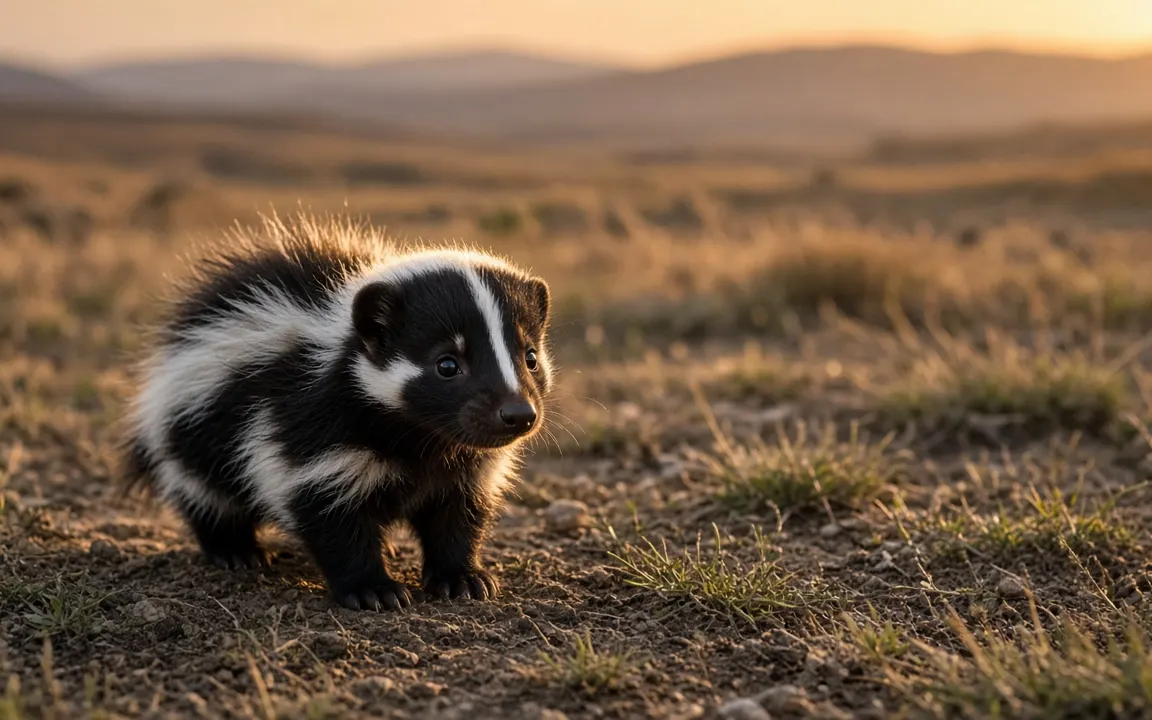
Nova Scotia, Canada
Exotic Pet Cremation in Nova Scotia: what to know
Keepers in Nova Scotia also carry a responsibility dog and cat owners don't: making sure nothing from an exotic pet reaches the wild. That means never flushing an amphibian or releasing tank water outdoors, and burying aquatic species well away from ponds and streams, or choosing cremation instead. It protects native frogs, salamanders and fish.
Exotic keepers in Nova Scotia range from sugar glider colonies in city apartments to wallabies on rural land. The practical steps differ: a glider can be frozen and driven to the right provider in a cool box, while a 40 lb wallaby may need a large-animal provider and a trailer. Use this page for the regional picture, then open your own city below.
We cover 1 community in Nova Scotia, from Halifax.

Every Nova Scotia community we cover
Choose your city or town for local prices, weather and timing, and rules. 1 communities in Nova Scotia, largest first below.
Why local cremation habits matter for your exotic pet
With about 81.1%[1] of people in Nova Scotia choosing cremation, the idea of bringing ashes home is everyday here. For exotic pets, the more useful local question is who has done it before. Exotics vets, keeper groups and breeders are the quickest way to find the provider that treats a 100 gram animal with the same care as a 100 lb dog.
That Nova Scotia rate is a human statistic published by CANA Industry Statistical Information (2030); there is no pet equivalent, so we use it as a signal of how families here already think.
Prices for small and large exotics in Nova Scotia
Some Canadian clinics and humane societies bundle euthanasia with communal cremation; one Ontario SPCA lists CAD 225 to 275 for a cat[2], which is the closest published figure for most small exotics. If your pet is being put to sleep in Nova Scotia, ask whether a bundle is offered and whether it can be upgraded to individual cremation. Prices usually exclude GST or HST.
Water cremation is legal for people in several provinces and territories[3], and pet aquamation is offered in parts of the country too. For a small amphibian or a glider, ask Nova Scotia providers whether they offer it, how it's priced for the lowest weight band and whether it returns more bone than flame for a very small animal. Get the quote in writing with tax shown separately.
| Provider | Private | Communal |
|---|---|---|
| Vancouver Island crematorium (0 to 20 lb) | CAD 195 | n/a |
| Ontario aftercare provider (under 25 lb) | CAD 449 | CAD 199 |
| Source | Provider price lists (see footnotes above) | Excludes GST/HST and collection |

Free tool
Cremation cost calculator
Estimate a realistic price range for your pet's size, location and the type of cremation.
Permits, protected species and burial in Nova Scotia
Some exotic pets carry germs that can pass to people, most famously Salmonella in reptiles and amphibians, which is why the CDC advises washing your hands after every contact. The same care applies after death: wear gloves or wash well after handling the body, and double-bag it if it shares a fridge with food. Local burial and scattering notes for Nova Scotia follow.
Across Canada, which exotic species may be kept is set by provinces and often by cities, and some municipalities ban animals that are legal a few kilometres away. If your pet was held under a permit, check whether you need to report the death. Winter matters too: frozen ground makes home burial impractical for months, so many keepers freeze or cremate and wait for spring.
- Burial at home: Confirm the rule for the actual parcel and proposed burial with the local authority and property owner.
- Scattering ashes: Ask the exact land manager about scattering before making arrangements; a general gathering permission is a separate matter.
- Who oversees it: the authority responsible for the specific activity and location; this guide does not identify a universal permit or licensing rule
- Worth knowing: Record the service method, release authority, identification and return instructions in writing.
A city's population does not establish which aftercare activities are allowed at an address. Check the actual site and activity before proceeding.
What to do next, in order
- Take a breath. A small exotic in a sealed bag in the freezer is safe for weeks. Nothing has to be decided tonight.
- Keep anything you'd like to hold on to now: one photo of them at home in their tank, a feather, some fur, a couple of quills or an old shed skin.
- Think about preservation before cremation. Freeze-drying, resin or taxidermy all need the whole body, and none can happen after cremation.
- Contact a provider yourself or via your vet, or just send us your pet's details instead and we'll find out who accepts your species.
- Choose individual or communal, remembering that a tiny animal can leave almost no ash, or none at all.
- Decide where the remains will go: a keepsake urn, a planter, a pendant or a small burial where it's allowed.
Keeping a small, special pet close
Keeper communities often remember animals together. Breeders' groups, exotic pet forums and local shows are places where people will understand why a 400 gram hedgehog mattered so much. Sharing their story there can help, and it may help another keeper spot an illness sooner.
If Nova Scotia is not quite where you are, all locations has the rest. Otherwise the services page, the tools and the poll results are the useful next stops.

Reader polls
What would you choose?
Vote anonymously and see how other readers answered. The results are live counts from people who visit this site, so they show real opinions, not a scientific sample.
How far is your nearest vet who treats your species?
Tap an answer to vote and see how others answered. Anonymous.
If your pet is very small, what matters most about the ashes?
Tap an answer to vote and see how others answered. Anonymous.
If you had to decide today, which aftercare would you choose for your pet?
Tap an answer to vote and see how others answered. Anonymous.

Free tools to help you plan
Cremation cost calculator
Estimate a realistic price range for your pet's size, location and the type of cremation.
Ashes weight estimator
See roughly how much ash to expect back, by species and body weight.

Aftercare options compared
Compare private, communal and water cremation with burial on cost, timing and what comes home.
Questions people ask
How much does exotic pet cremation cost in Nova Scotia?
Most small exotics fall into a crematory's lowest weight band, so they cost about the same as a small cat, even if they weigh a few ounces. Large exotics like wallabies are priced like big dogs. Collection, certificates and keepsake urns add to the total. Ask for an itemised written quote.
Can I travel with my pet's body to a crematory elsewhere in Nova Scotia?
For common species, yes. Seal your pet in a labelled bag and pack it in a cool box with ice packs. For regulated or protected species, carry your permit and check whether moving the body needs approval. Larger exotics may need a provider who collects.
Are there exotics vets outside the big cities in Nova Scotia?
Some, but they're thinly spread. Many general practices see the odd hedgehog or reptile, and a few have a vet with a special interest in exotics. For necropsy or specialist advice, keepers in smaller places often travel to Halifax. It's worth finding your nearest exotics vet while your animals are well, and asking which crematory they use.
What if the ground is frozen and I want to bury my pet?
Keep your pet sealed in the freezer, or cremate and keep the urn, until spring. In the colder parts of Nova Scotia, such as Nova Scotia, average winter lows reach about °F, so the ground can stay hard for months.
Does it matter where I bought my exotic pet?
For cremation, rarely. It can matter for paperwork: if the animal came with a permit, a CITES certificate or a breeder's health guarantee, keep those documents together. Some guarantees need a necropsy to be valid, and some permits require you to notify the issuer. A good breeder will also want to know what happened.
Will crematories in Nova Scotia take unusual species?
Many will, but experience varies. Some have cremated hedgehogs and gliders often; others hesitate over invertebrates or very large exotics. Give the species and weight when you call, and ask whether they've handled something similar. Your exotics vet usually knows which local provider to trust.

Sources and our estimates
- [1] CANA projects the Canadian cremation rate will reach 81.1% by 2030. CANA Industry Statistical Information, 2030.
- [2] The Hamilton/Burlington SPCA bundles euthanasia plus communal cremation at CAD 225-275 for cats and CAD 240-475 for dogs (plus HST). Florence (Ontario) - How Much Does Pet Euthanasia and Cremation Cost in Ontario? 2026 Guide, 2026.
- [3] CANA says alkaline hydrolysis is legal in Canadian provinces/territories including Manitoba, Newfoundland & Labrador, Northwest Territories, Ontario, Quebec and Saskatchewan. CANA: Alkaline Hydrolysis, 2026.
- [4] The median price multiple of private (ashes returned) over communal cremation across 8 markets is about 2.0x, ranging from 1.25x (Tokyo) to 5.2x (Auckland). Our estimate: median(private_price / communal_price) same weight band: US CareCredit 51-70 lb midpoints (250/75) = 3.33x; Auckland 15-25 kg (445/85) = 5.24x; Norway 1-20 kg (3790/1190) = 3.18x; Singapore 10-20 kg (480/260) = 1.85x; Ontario 25-250 lb (549/279) = 1.97x; Tokyo 20-30 kg (38500/30800) = 1.25x; France 20 kg midpoints (200/95) = 2.11x; Germany range midpoints (270/145) = 1.86x. How we calculate.
Find a Nova Scotia provider who takes your species
Tell us what you need and where you are. We'll reply by email with clear options and prices so you can decide in your own time.